
If you’ve been thinking about hiring an interior designer, you may have come across two terms: traditional interior design and virtual interior design. While both aim to create beautiful, functional spaces, the way they work — and who they’re best suited for — can be very different.
Understanding the difference between the two can help you choose the option that fits your lifestyle, budget, and project scope.
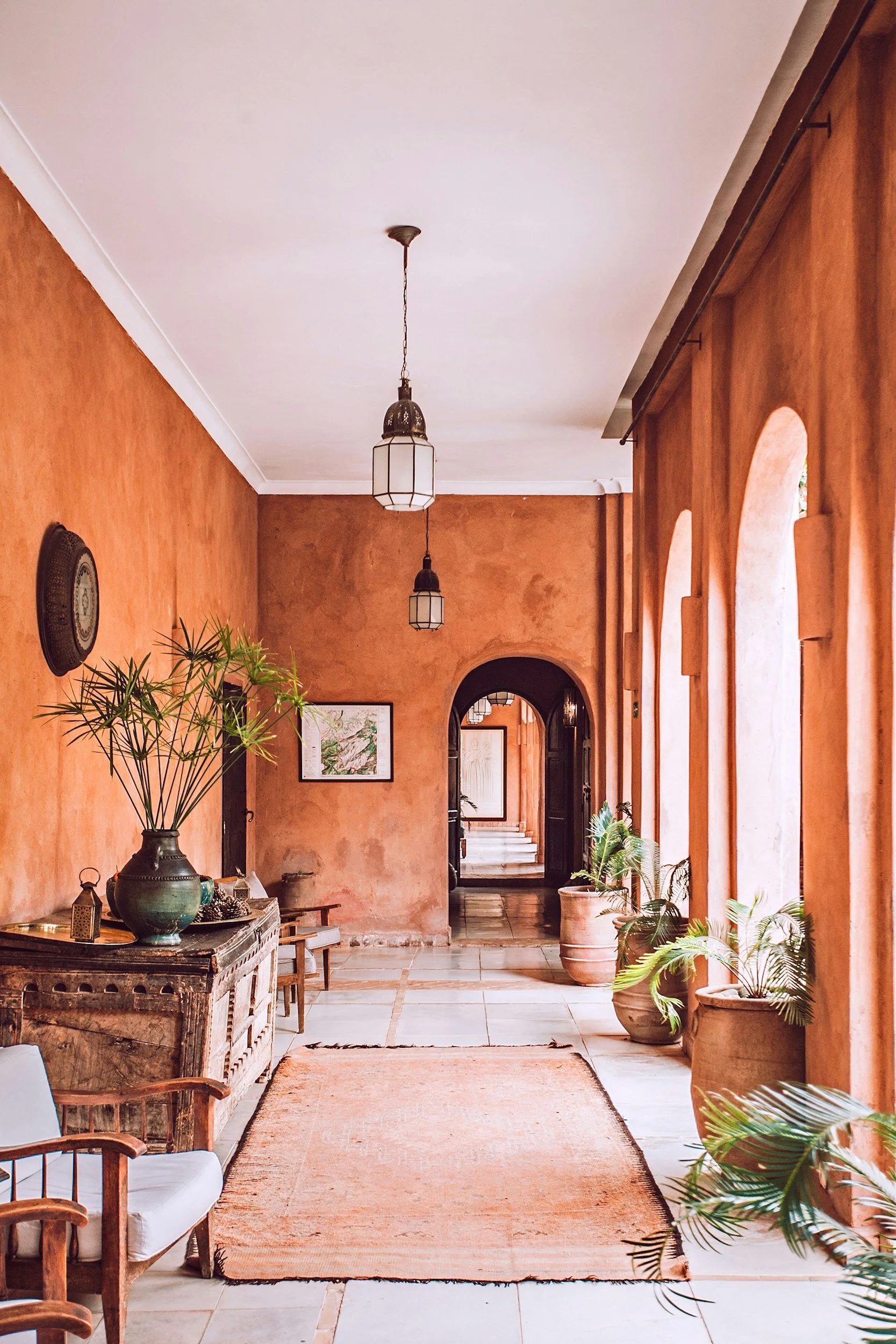
Photo credit: Unsplash
What Is Traditional Interior Design?
Traditional interior design is the most familiar model. It typically involves an in-person relationship between the designer and the client, with hands-on involvement throughout the project.
Traditional interior design often includes:
In-person consultations and site visits
Measuring spaces and reviewing finishes on location
Managing contractors, vendors, and installations
Full-service project oversight from start to finish
This approach is ideal for:
Large renovations or new builds
Projects requiring frequent site visits
Clients who want full project management and ongoing, in-person support
Because of the level of involvement, traditional interior design is usually the most comprehensive — and the most expensive — option.
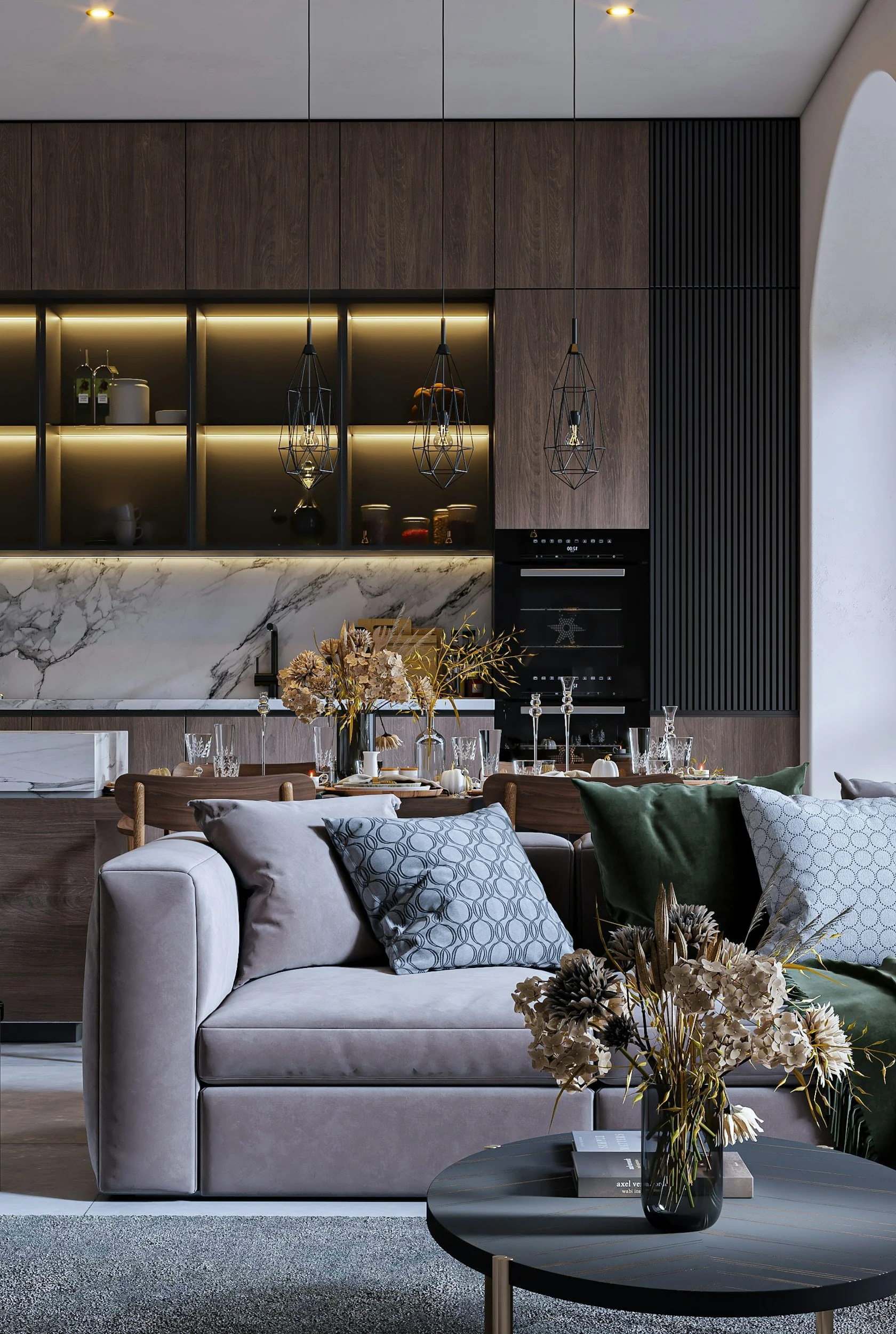
Photo credit: Unsplash
What Is Virtual Interior Design?
Virtual interior design (also known as e-design) is a remote design service where the entire process happens online. Instead of in-person meetings, communication and deliverables are handled digitally.
With virtual interior design, clients typically receive:
Design concepts and layouts
Furniture, lighting, and décor selections
Detailed shopping lists
2D layouts and/or 3D renderings
Clear instructions for implementation
The client handles purchasing and installation on their own or with local help, while the designer focuses on the creative and planning side.
Virtual interior design works especially well for:
Busy professionals
Clients outside a designer’s local area
Smaller renovations or room refreshes
Anyone who prefers flexibility and remote collaboration
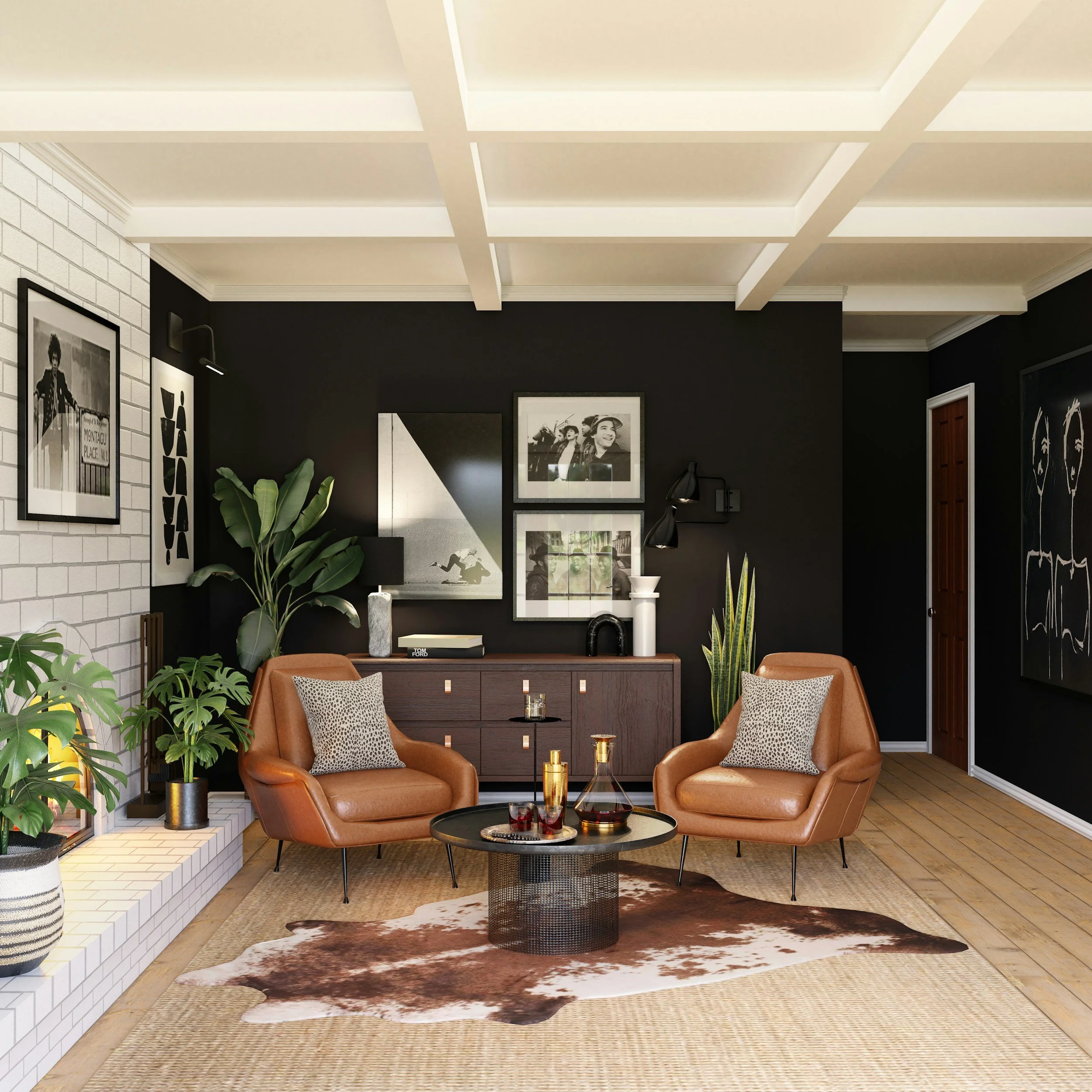
Photo credit: Unsplash
Key Differences at a Glance
Process
Traditional design: In-person meetings, site visits, ongoing coordination
Virtual design: Remote collaboration using photos, measurements, and digital presentations
Cost
Traditional design: Higher due to time, travel, and project management
Virtual design: More affordable and transparent pricing
Timeline
Traditional design: Longer timelines with multiple on-site phases
Virtual design: Often faster and more streamlined
Level of Involvement
Traditional design: Designer manages most details
Virtual design: Client plays a more hands-on role in implementation
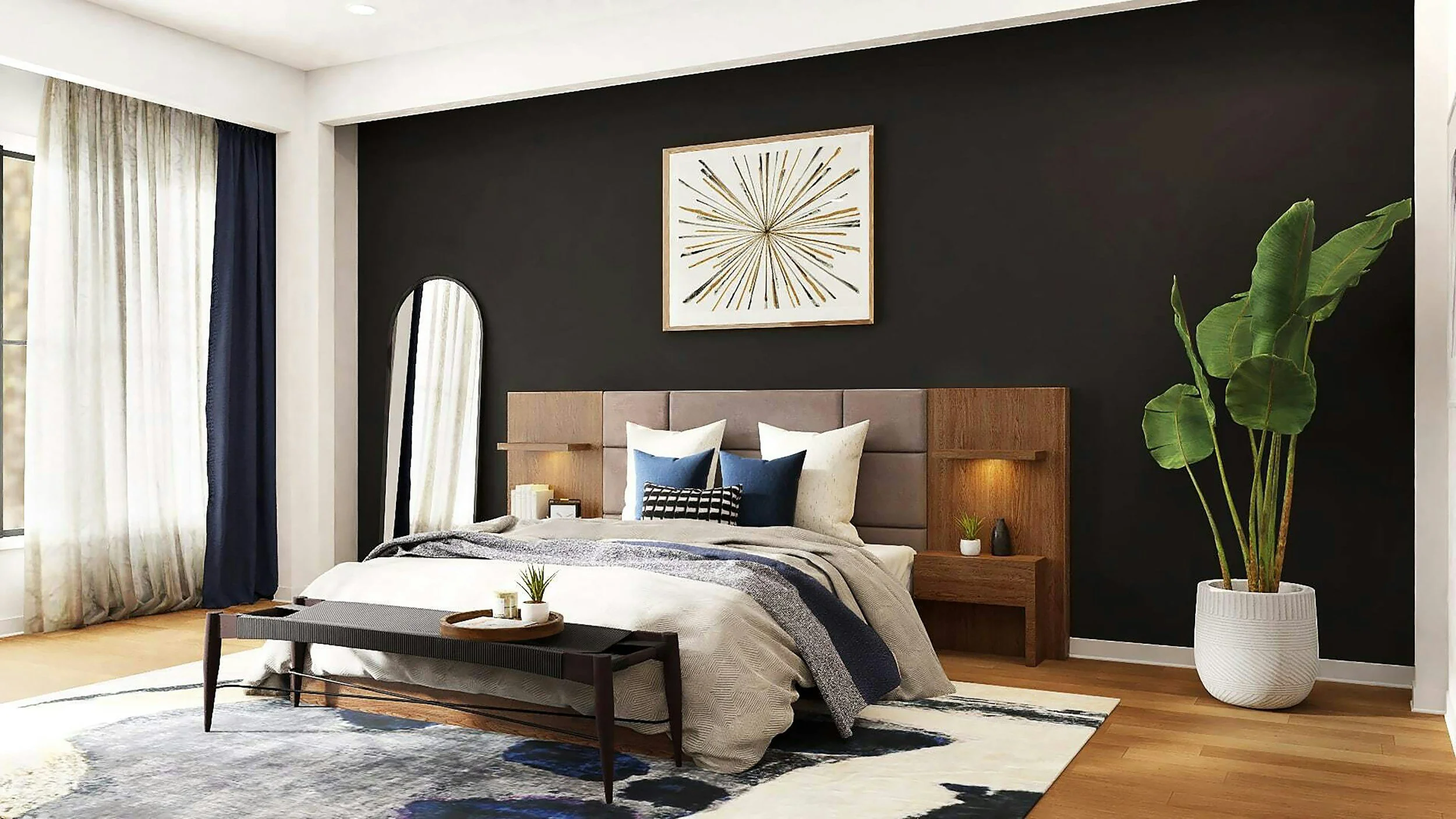
Photo credit; Unsplash
Which Option Is Right for You?
The best choice depends on how you want to work and what your project requires.
Traditional interior design may be right if:
You’re undertaking a major renovation or new build
You want a designer to manage contractors and installations
You prefer in-person collaboration throughout the process
Virtual interior design may be right if:
You want professional design guidance without full project management
You’re comfortable implementing the design yourself
You value flexibility, efficiency, and cost control
You live outside a designer’s local service area
Both options can result in thoughtful, well-designed spaces — the difference lies in how you get there.
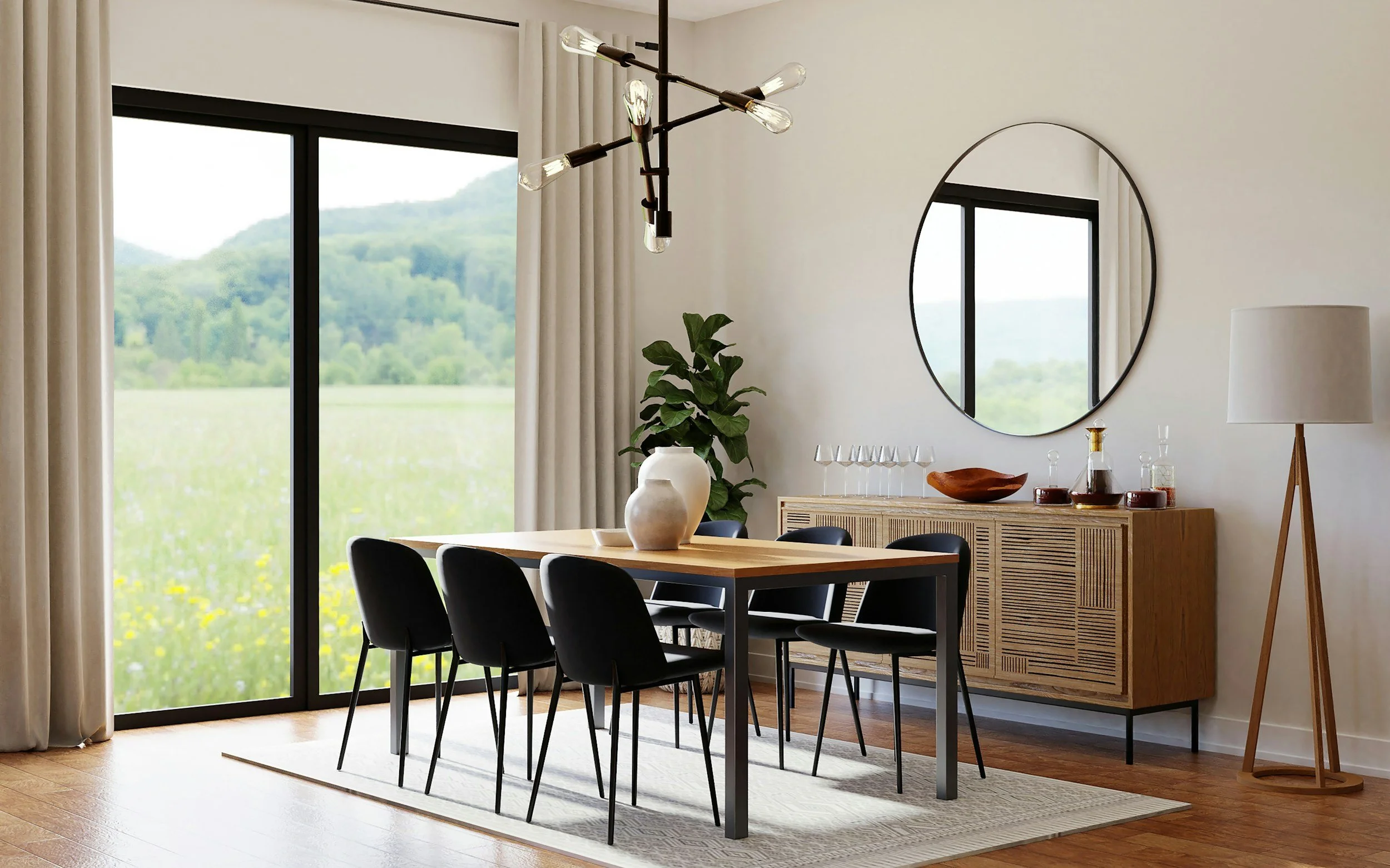
Photo credit; Unsplash
Choosing the Right Design Approach
Virtual interior design has expanded access to professional design services, making it possible to work with experienced designers regardless of location. Traditional interior design, on the other hand, remains the best fit for complex projects that require hands-on oversight.
Neither approach is “better” — they simply serve different needs.
Understanding the difference allows you to choose the design experience that fits your project, your lifestyle, and your comfort level.