What Homeowners Wish Previous Owners Hadn't Done to the House: Real Stories and Lessons Learned
When people buy a home, they usually expect to make a few changes. Paint colors get updated, light fixtures are replaced, and landscaping evolves over time as new owners make the space their own. But I recently found myself wondering: What do homeowners really wish the previous owners hadn't done before selling?
To find out, I asked homeowners, friends, and family members to share their experiences. I expected to hear plenty of stories about outdated kitchens, old carpet, and questionable decorating choices. While some of those responses certainly came up, a very different pattern quickly emerged.
Many homeowners weren't frustrated by homes that were outdated. They were frustrated by shortcuts. Poorly executed repairs, rushed renovations, questionable DIY projects, and improvements that created more work instead of less were recurring themes throughout the responses. Several people told stories about projects they immediately had to undo after moving in, while others shared their disappointment after seeing years of thoughtful work erased by future owners.
As I read through the comments, I found myself nodding along. Over the years, I've worked with many clients who purchased homes that looked great at first glance but revealed hidden issues once renovation plans began. In many cases, the biggest challenge wasn't the home's age or style. It was correcting decisions that had been made years earlier.
Some of the responses were funny, some were frustrating, and a few were surprisingly emotional. Together, they offer an interesting look at the improvements homeowners appreciate, the mistakes they wish had never happened, and the lessons that anyone planning a renovation or preparing to sell a home can learn from.
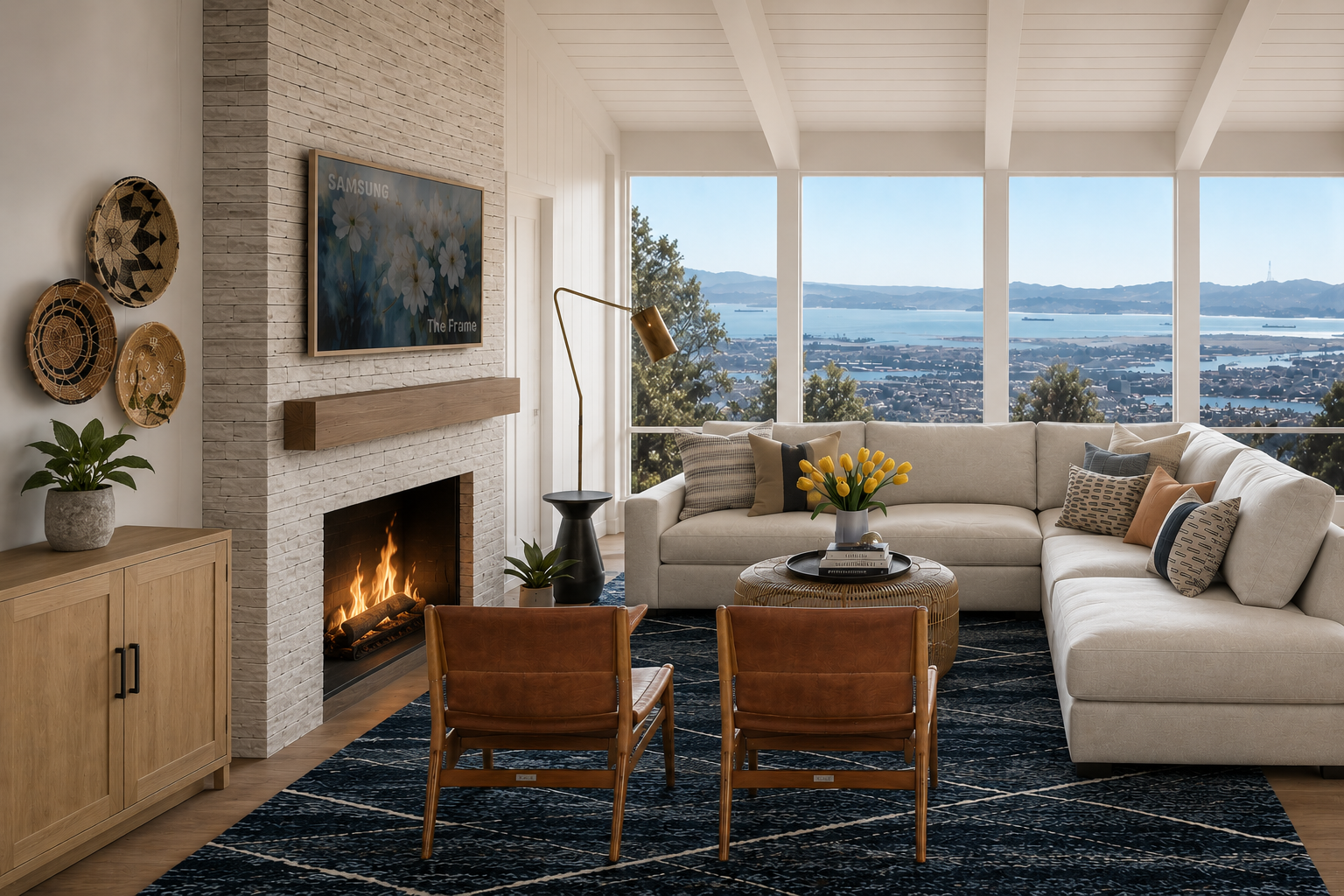
California MCM style family room designed by virtual interior designer Joshua Jones of JJones Design Co. This original 2D design concept was later transformed into a photorealistic AI-assisted rendering, demonstrating how thoughtful design and quality fundamentals can create a timeless space without relying on trendy renovations.
Poor Workmanship Often Creates More Problems Than Outdated Design
As I read through the responses, one theme appeared again and again: homeowners were often more frustrated by poor workmanship than outdated design. Painted-shut windows, improperly patched doors, flooring installed over existing materials, unfinished projects, and questionable renovation decisions were all mentioned by homeowners who found themselves spending time and money correcting someone else's shortcuts.
One homeowner shared a long list of small issues that had accumulated throughout the house. None of them were major on their own, but together they created an ongoing cycle of repairs and frustration. Another described doors that had been heavily patched and covered with inexpensive flat paint, making every imperfection visible. Others mentioned homemade structures, poorly executed improvements, and renovation work that appeared to prioritize speed over quality.
This is something I've encountered throughout my career as a designer. A home doesn't need to be newly renovated to be appealing. Many buyers are perfectly willing to update finishes over time or tackle cosmetic projects when their budget allows. What tends to create frustration are improvements that must be removed, repaired, or completely redone before moving forward.
In some cases, a home that hasn't been updated in decades can actually be easier to work with because the original construction remains intact. When shortcuts are layered on top of shortcuts, renovation costs often increase because the first step becomes undoing previous work before anything new can begin.
One comment from the survey summed it up perfectly: several homeowners would have preferred that certain "fixes" had never been attempted at all. In many situations, leaving something alone would have created less work than a rushed repair or poorly planned renovation.
For homeowners preparing to sell, this serves as a useful reminder. Fresh paint and cosmetic updates can certainly help a home show better, but quality matters. Buyers may eventually change paint colors, flooring, or light fixtures to match their own taste. What they don't want to inherit are problems that require immediate attention the moment they receive the keys.
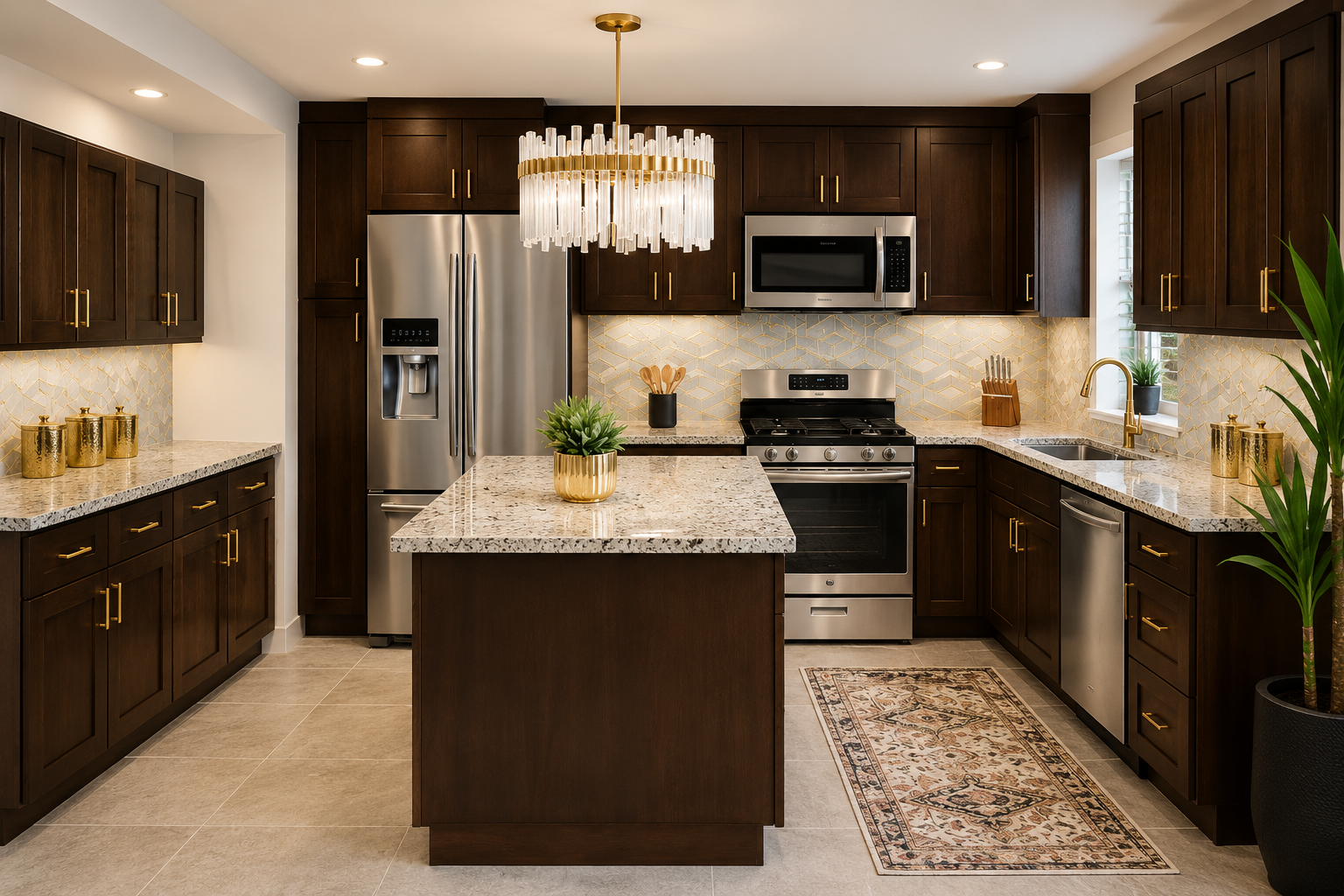
Modern Glam style kitchen designed by virtual interior designer Joshua Jones of JJones Design Co. This original 2D design concept was later transformed into a photorealistic AI-assisted rendering, illustrating how thoughtful renovations combine beautiful finishes with lasting functionality.
Why Buyers Are Often Wary of Recently Flipped Homes
One of the most interesting comments I received came from a homeowner who has bought and sold multiple properties over the years. They pointed out that when a home has been renovated and resold within a relatively short period of time, buyers should take a closer look at the quality of the work being performed.
To be clear, not every home flipper does poor work. Some invest significant time and money into improving neglected properties and helping bring them back to life. However, the reality is that speed and profit are often major factors in the flipping business, which can sometimes lead to shortcuts, lower-quality materials, or cosmetic updates that prioritize appearance over long-term durability.
As a designer, I've occasionally encountered homes that looked impressive in listing photos but told a different story once renovation plans began. Fresh paint, trendy finishes, and new flooring can certainly make a home look attractive, but they don't always reveal what is happening behind the walls, beneath the floors, or inside the systems that keep a home functioning properly.
Many buyers naturally focus on visible features during showings. It's easy to get excited about a beautifully staged kitchen, new countertops, or stylish lighting. What is harder to evaluate is the quality of the installation, whether proper permits were obtained when required, or whether underlying issues were fully addressed rather than simply covered up.
This is one reason professional inspections remain so important, even when a home appears move-in ready. A fresh renovation doesn't automatically mean quality workmanship, just as an older home doesn't automatically mean problems.
The lesson here isn't to avoid every recently renovated property. It's to look beyond surface-level finishes. Beautiful design and quality craftsmanship should work together. When one exists without the other, homeowners often end up paying the price later.
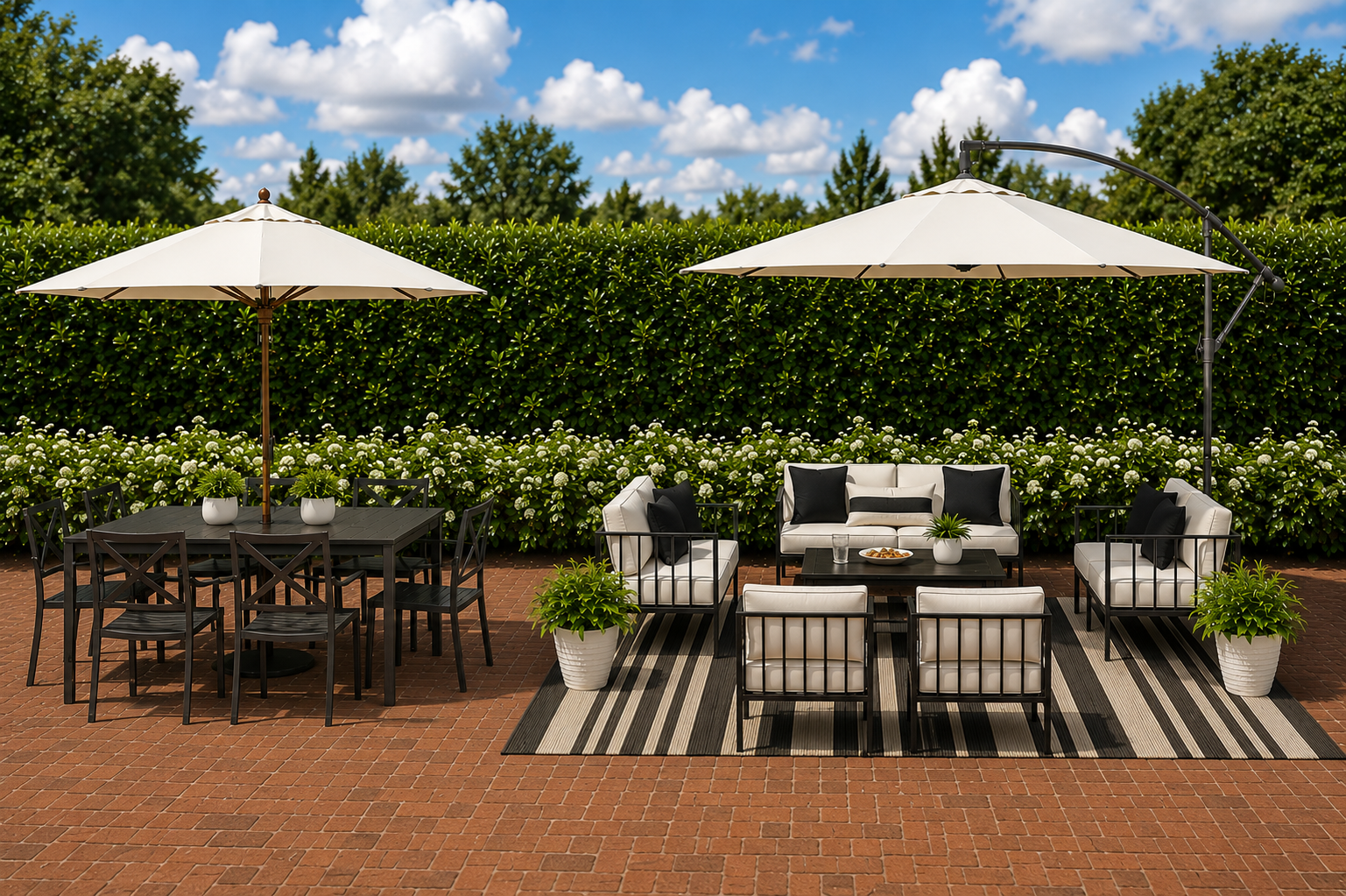
Hamptons-inspired backyard designed by virtual interior designer Joshua Jones of JJones Design Co. This original 2D design concept was later transformed into a photorealistic AI-assisted rendering, illustrating how thoughtfully designed landscaping and outdoor living spaces can become some of the most cherished features of a home.
Landscaping Creates Stronger Emotions Than Many People Realize
When I asked homeowners what they wished previous owners hadn't done to their homes, I expected most of the discussion to focus on kitchens, bathrooms, flooring, and paint colors. Instead, several responses centered around something entirely different: the yard.
Some homeowners described years-long battles with invasive plants that had been intentionally added to the landscape. Others talked about neglected fencing, unsafe debris buried in the soil, poorly maintained trees, and outdoor projects that created more work than value. One homeowner mentioned still discovering unexpected items hidden throughout the yard years after purchasing the property.
On the other side of the conversation were homeowners who had sold their homes and later discovered that gardens, mature landscaping, and outdoor spaces they had spent years cultivating had been removed by the new owners. While most people understand that buyers have the right to personalize their property, that doesn't always make it easier to watch something you carefully created disappear.
This reaction makes sense when you think about how long landscaping takes to develop. Unlike paint colors or furniture, a mature tree, established garden bed, or thoughtfully designed outdoor space can take years to reach its full potential. Homeowners often invest significant amounts of time, money, and personal effort into their landscapes, creating a connection that goes beyond simple curb appeal.
At the same time, not every buyer wants to inherit a high-maintenance yard. Several homeowners mentioned removing extensive landscaping because it no longer matched their lifestyle, maintenance preferences, or long-term plans for the property. What one homeowner sees as a beautiful garden, another may see as a weekend obligation.
As a designer, I think this highlights an important reality of homeownership: outdoor spaces are just as personal as interiors. Just as buyers may repaint walls or renovate kitchens, they may also redesign landscapes to better fit how they live.
The responses reminded me that landscaping improvements should be approached much like interior renovations. Focus on creating an outdoor space that enhances your enjoyment of the home while you're living there. Future owners may appreciate it, modify it, or replace it entirely. That's simply part of the natural evolution of a property over time.
One thing was clear from the survey, however. Whether homeowners loved or hated the landscaping decisions made before they purchased their homes, those decisions often left a lasting impression long after moving day.
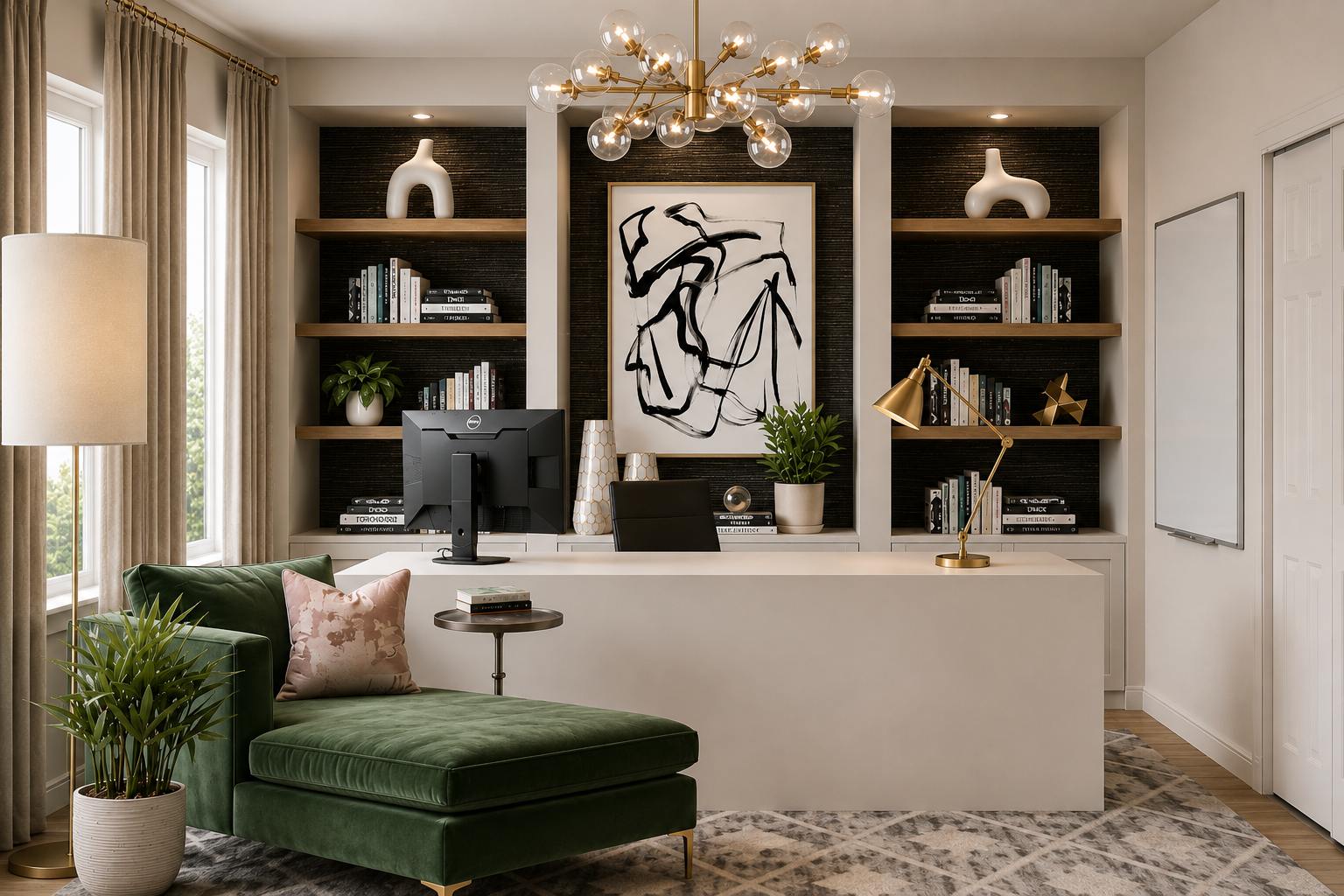
Modern Eclectic style home office designed by virtual interior designer Joshua Jones of JJones Design Co. This original 2D design concept was later transformed into a photorealistic AI-assisted rendering, illustrating how design preferences can vary widely from one homeowner to the next.
Cosmetic Updates Don't Always Add Value
One of the most common assumptions homeowners make before selling is that every update will increase the value of their home. While some improvements certainly can make a property more attractive to buyers, the survey responses revealed an important reality: many buyers expect to change cosmetic features anyway.
Several homeowners mentioned that they automatically plan to repaint walls after purchasing a home. Others expect to replace light fixtures, update flooring, refresh landscaping, or make decorative changes that better reflect their personal style. In other words, buyers often see cosmetic features as temporary rather than permanent.
This doesn't mean sellers should ignore the appearance of their homes. Presentation matters. Clean, well-maintained spaces typically create a stronger first impression than neglected ones. However, there is a difference between thoughtful maintenance and spending significant amounts of money on highly personal design choices that a future owner may immediately replace.
One homeowner commented that people can become emotionally attached to their own tastes and improvements, forgetting that not everyone shares the same preferences. Another pointed out that many buyers simply cannot look past certain design decisions, even if the solution is relatively simple. A bold paint color, unusual fixture, or highly personalized space may not bother one buyer while completely turning off another.
I've seen this happen many times in the design world. Homeowners often ask which paint color, flooring material, or design trend will appeal to future buyers. The truth is that there is rarely a universal answer because personal taste varies so dramatically from one person to the next.
This is also why it can be difficult to predict which updates will stand the test of time. A seller may invest thousands of dollars into a renovation they believe will impress future buyers, only to discover that the next owner has entirely different plans for the space.
The responses reminded me that buyers are generally more concerned with a home's condition, functionality, and overall quality than whether every design decision perfectly matches their preferences. Paint can be changed. Light fixtures can be replaced. Decorative features can evolve over time.
What tends to matter far more is whether the home has been maintained properly and whether previous improvements were completed with care. Those are the details that continue to add value long after design trends come and go.
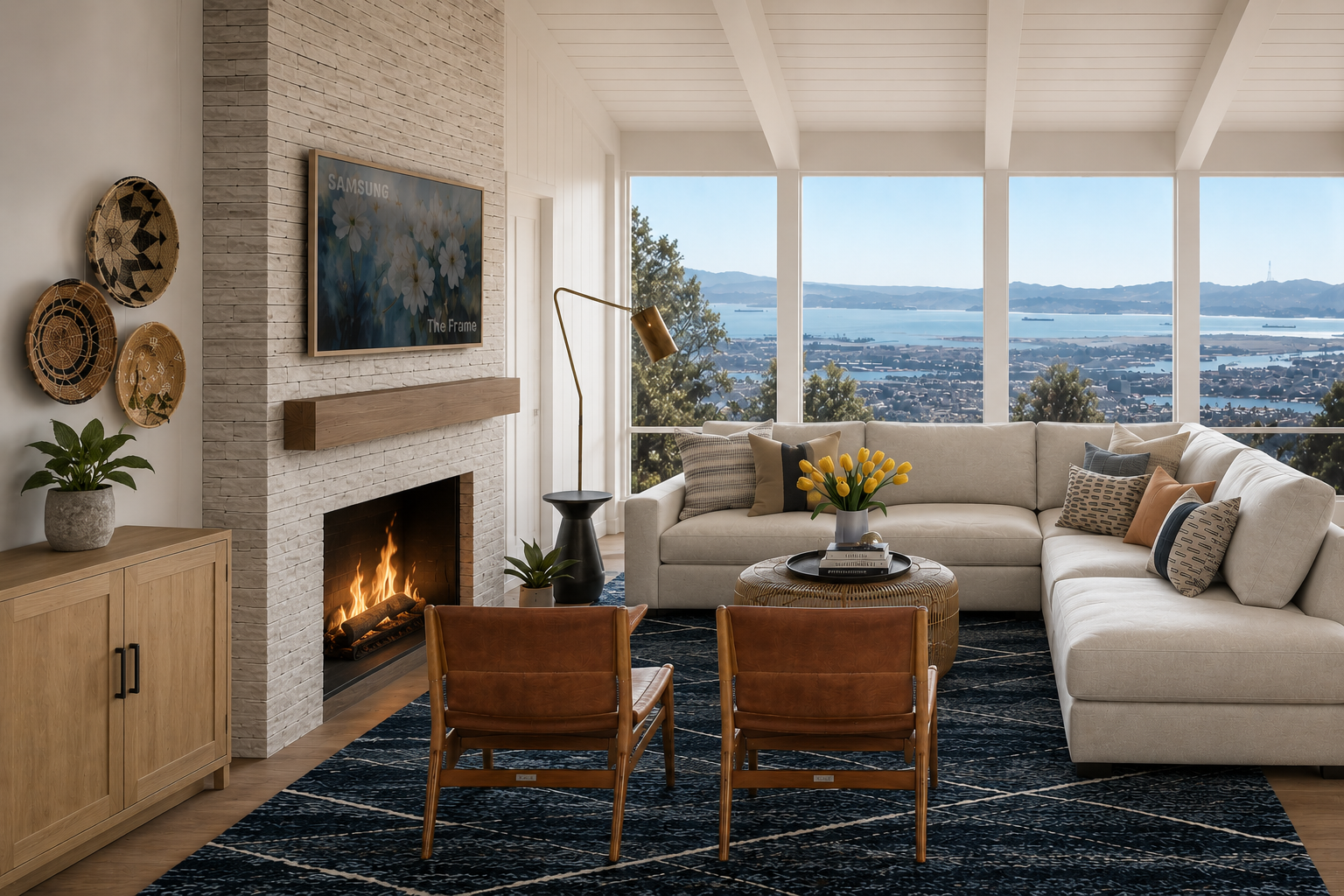
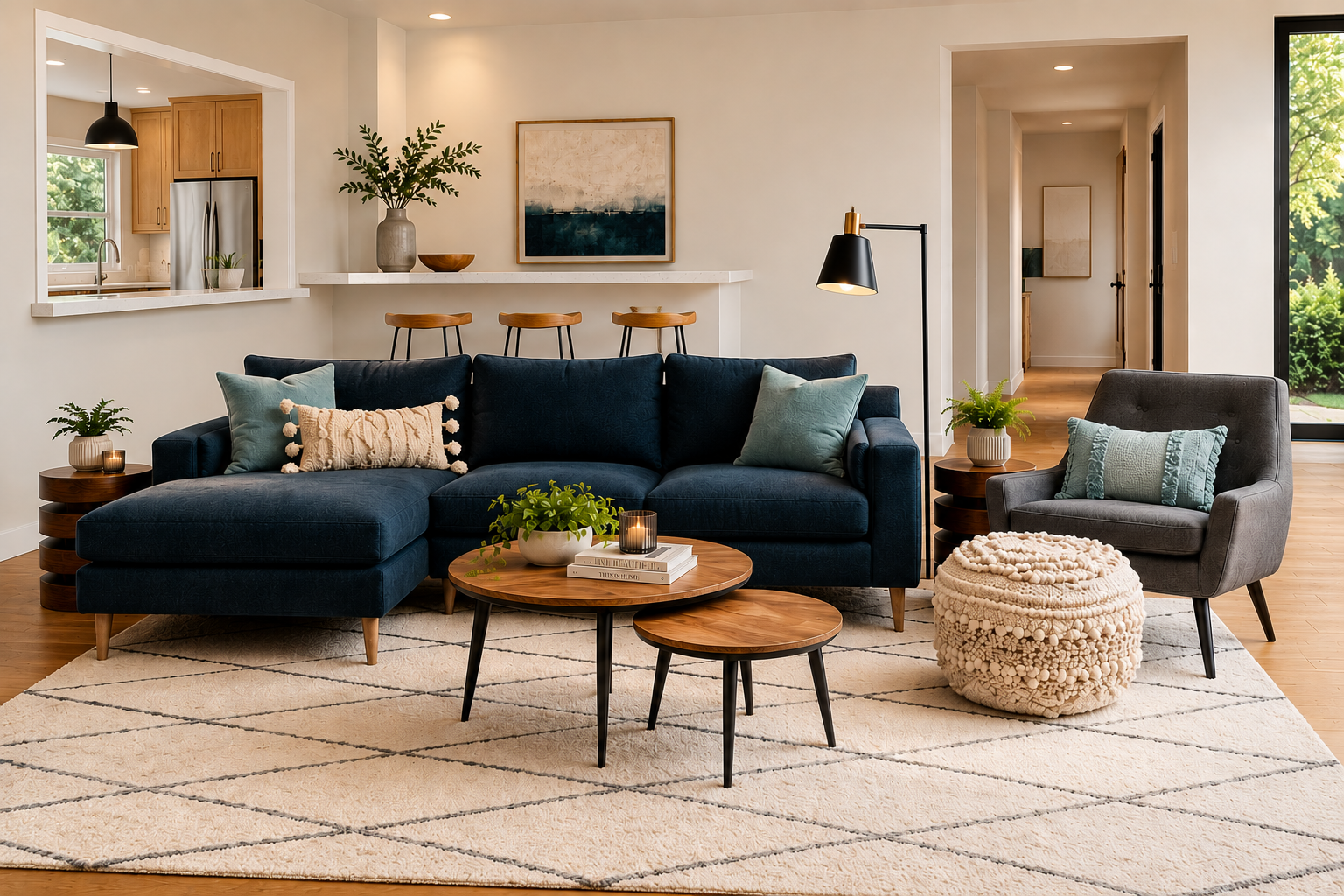
California Casual style living room designed by virtual interior designer Joshua Jones of JJones Design Co. This original 2D design concept was later transformed into a photorealistic AI-assisted rendering to illustrate how thoughtful renovations can improve both function and everyday living.
The Renovations Homeowners Rarely Regret
While many of the survey responses focused on frustrations, a few homeowners shared something equally important: the improvements they were glad to make after moving in.
One homeowner described purchasing a well-built house with good bones but an outdated layout that felt dark and closed off. Rather than focusing on cosmetic changes alone, they invested in improvements that transformed how the home functioned. Walls were removed to open up the kitchen, ceilings were raised, lighting was improved, and the overall flow of the home was redesigned to better support everyday living.
What stood out to me was that these changes weren't driven by trends. They were driven by function.
Over the years, I've noticed that homeowners are far more likely to remain happy with renovations that improve how a home works rather than simply how it looks. Better lighting, improved storage, a more functional kitchen layout, stronger connections between rooms, and spaces that support daily routines often continue to add value long after design trends have changed.
This doesn't mean aesthetics aren't important. Beautiful spaces can absolutely enhance our enjoyment of a home. However, when a renovation improves both form and function, it tends to have lasting appeal.
I've worked with many clients who initially contacted me because they disliked the appearance of a room. As we explored the project further, the real issue often turned out to be something else entirely. The room lacked storage. The furniture layout didn't support how the family lived. Traffic flow was awkward. Lighting was inadequate. Once those functional challenges were addressed, the space naturally became more enjoyable to use.
In fact, I've had many clients hire me to redesign not just a single room, but most of their home's interior after purchasing a property. While some wanted a fresh aesthetic, many were also trying to correct years of previous renovation decisions, awkward layouts, poor lighting, and design choices that no longer supported how they wanted to live. In many of those cases, the goal wasn't simply to make the home more beautiful. It was to make the home work better.
For homeowners planning future renovations, this distinction is worth remembering. Trends come and go. Paint colors change. Fixtures get replaced. But improvements that make a home more comfortable, functional, and enjoyable to live in often continue paying dividends for years.
The most successful renovations aren't always the most dramatic. Sometimes they're the ones that quietly make everyday life a little easier.
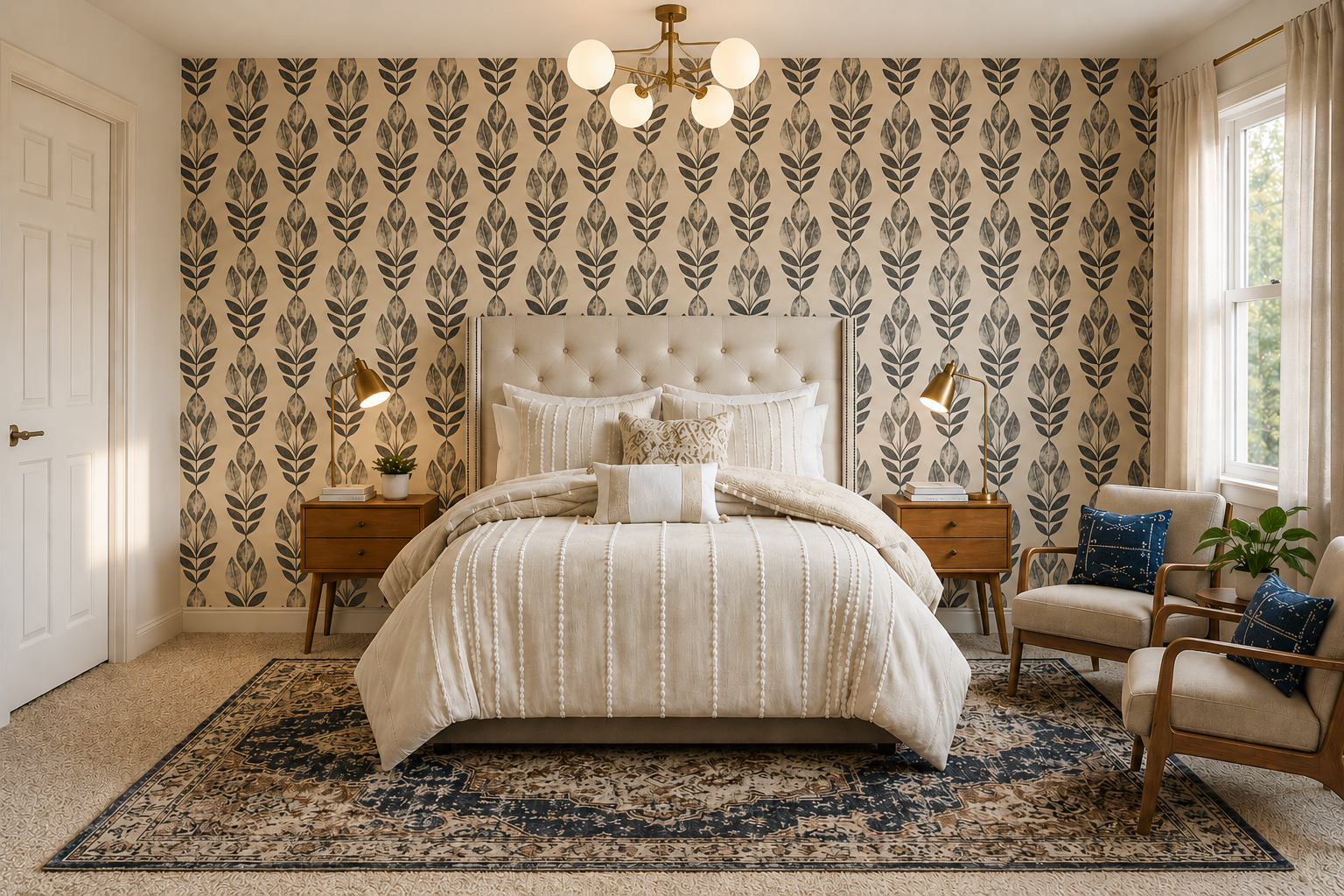
Scandinavian style guest room designed by virtual interior designer Joshua Jones of JJones Design Co. This original 2D design concept was later transformed into a photorealistic AI-assisted rendering, illustrating how thoughtful design choices can create a welcoming space without requiring extensive renovations.
Sometimes the Best Improvement Is No Improvement at All
One lesson kept surfacing throughout the survey responses: not every project needs to happen.
Several homeowners shared stories about repairs and updates that ultimately created more work than they saved. In some cases, they found themselves removing recently completed improvements so the work could be redone properly. In others, they spent years correcting a series of small decisions that gradually accumulated over time.
As a designer, I think homeowners often feel pressure to update everything before selling. Fresh paint, quick repairs, budget-friendly upgrades, and DIY projects may seem like simple ways to improve a home's appeal. Sometimes they are. Other times they create new problems that buyers eventually have to address.
A painted-shut window doesn't become more valuable because it was painted. A poorly patched door doesn't become less noticeable because another coat of paint was applied. Flooring installed over an existing problem doesn't eliminate the underlying issue.
One homeowner made a comment that stuck with me while reading through the responses. They would have preferred certain repairs had never been attempted in the first place. While that may sound surprising, I understand exactly what they meant.
I've worked on many projects where the first phase wasn't designing something new. It was removing or correcting work that should have been handled differently from the beginning.
This doesn't mean homeowners should avoid maintaining their properties. Quite the opposite. Routine maintenance remains one of the most important investments a homeowner can make. The difference is knowing when a project truly improves the home and when it's simply covering up a problem.
Sometimes the most valuable decision is to leave a feature untouched and allow the next owner to decide how they want to address it. An honest, well-maintained home often creates a better foundation than a house filled with rushed updates and cosmetic shortcuts.
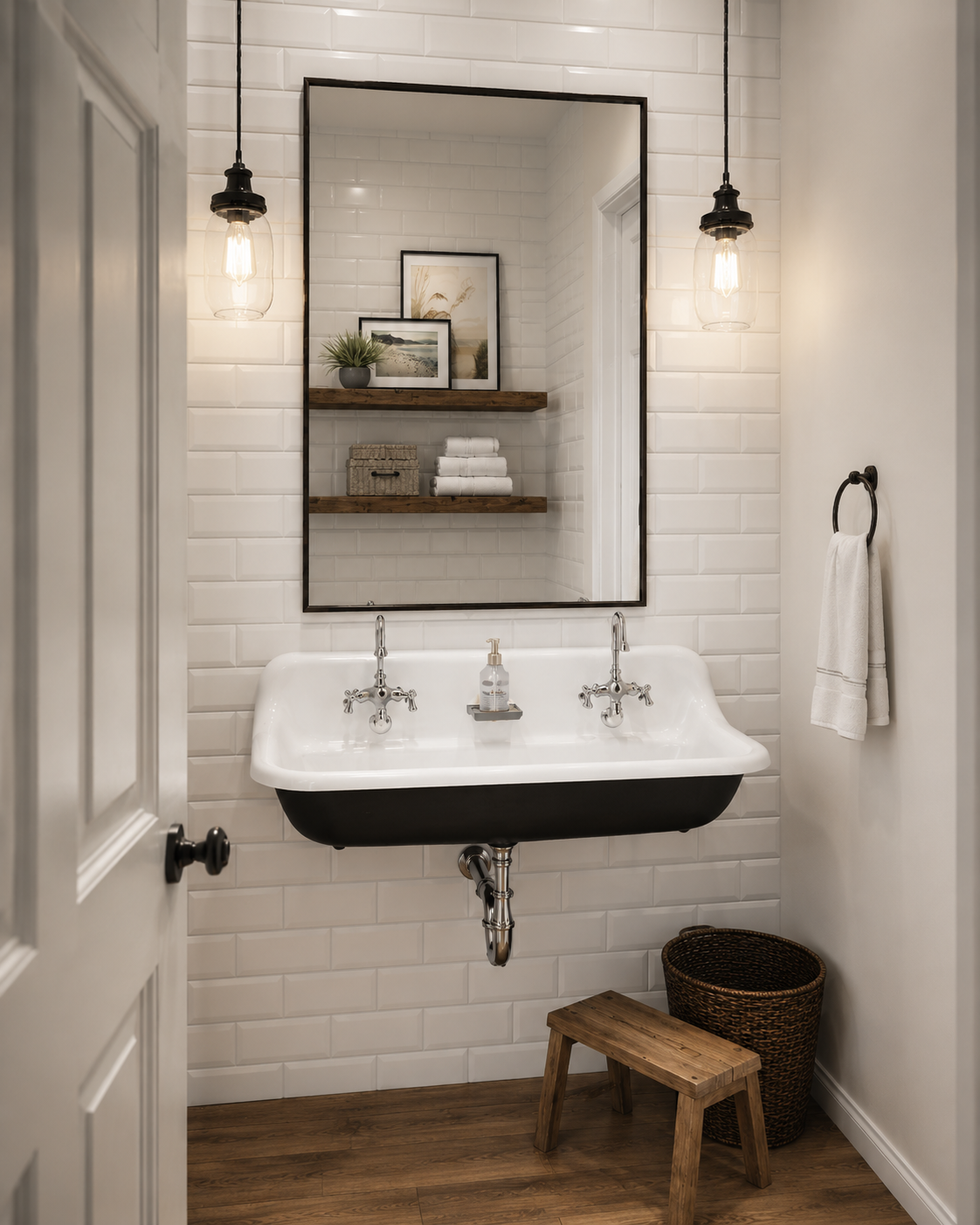
Modern Farmhouse style powder room designed by virtual interior designer Joshua Jones of JJones Design Co. This original 2D design concept was later transformed into a photorealistic AI-assisted rendering, illustrating how thoughtful design decisions and quality craftsmanship can elevate even the smallest spaces within a home.
What These Homeowners Taught Me
As I read through the responses, one lesson became clear: homeowners rarely regret a house being outdated. What they often regret are shortcuts, poor workmanship, and renovation decisions that create more work down the road.
The stories varied widely. Some homeowners were frustrated by DIY projects that should have been left to professionals. Others inherited poorly executed repairs, invasive landscaping, or renovations that failed to address the home's actual needs. A few shared disappointment after seeing years of work and personal investment changed by future owners. Despite the differences, many of the responses pointed toward the same conclusion.
Quality matters.
The responses also reinforced something I've observed throughout my career as a designer: the most successful improvements tend to focus on how a home functions rather than chasing whatever happens to be popular at the moment. Better layouts, improved lighting, increased storage, and spaces that support everyday life often provide value long after trends have changed.
Perhaps the most interesting takeaway was how personal homes truly are. The same feature that one homeowner treasures may be the first thing another homeowner removes. That's simply part of homeownership. Every owner brings their own needs, preferences, and vision to a property.
For anyone planning renovations, preparing to sell, or purchasing a home, I think the survey offers a useful reminder. Focus on quality. Prioritize function. Maintain your home well. And remember that thoughtful improvements generally stand the test of time far better than rushed updates designed to create a quick impression.