
If you’ve found yourself squinting at a menu or using your phone flashlight at a restaurant lately, you’re not imagining it. Many dining spaces have become noticeably darker over the past several years, and it’s a design trend that has sparked frustration as much as intrigue.
As an interior designer, I’ve noticed this shift firsthand — not just in trendy cocktail bars, but in neighborhood restaurants, upscale dining rooms, and even casual spots. While low lighting is often intended to create atmosphere and intimacy, it can also affect comfort, accessibility, and how people actually experience a space.
So why are restaurants so dark, and is this trend really working? Below, I’ll break down where this lighting trend came from, what it means for diners, and how thoughtful design can balance mood with comfort instead of forcing one at the expense of the other.

Photo by samuelfoster.co.uk on Unsplash
The Trend — Restaurants Have Been Getting Darker
Over the past decade, restaurant lighting has steadily shifted toward darker, moodier environments. What started primarily in cocktail lounges and fine dining spaces has gradually filtered into more casual restaurants, cafés, and neighborhood spots. Today, dim lighting is often treated as the default rather than a design choice.
Part of this trend is driven by the desire to create atmosphere. Lower lighting levels are associated with intimacy, sophistication, and a slower dining experience. Designers and restaurant owners often aim to make spaces feel warm and immersive, especially in urban environments where visual impact matters.
Social media has also played a role. Dimly lit interiors photograph well, especially when paired with dramatic accent lighting, candles, or illuminated bar shelves. These environments tend to look glamorous online, even if they don’t always function as comfortably in real life.
At the same time, darker spaces can be more forgiving. Lower light levels help disguise worn finishes, uneven walls, or tight layouts, making them appealing from a cost and maintenance perspective. While this can make sense from a business standpoint, it doesn’t always translate to a better experience for diners.
This shift toward darker restaurants isn’t accidental — it’s the result of design trends, visual culture, and operational considerations coming together. The challenge is that what looks good can sometimes conflict with how people actually use and experience a space.
What ‘Dark’ Really Means for Your Eyes and Comfort
When people say a restaurant feels “too dark,” they’re usually not talking about mood — they’re reacting to how their eyes are working in the space. Low lighting affects how easily we can read menus, recognize faces, and stay visually comfortable over time.
Our eyes are constantly adjusting to contrast. In very dim environments, especially when menus, table surfaces, or faces aren’t well lit, the eyes have to work harder to focus. This can lead to eye strain, headaches, or general discomfort, even if diners can’t immediately pinpoint why the space feels tiring.
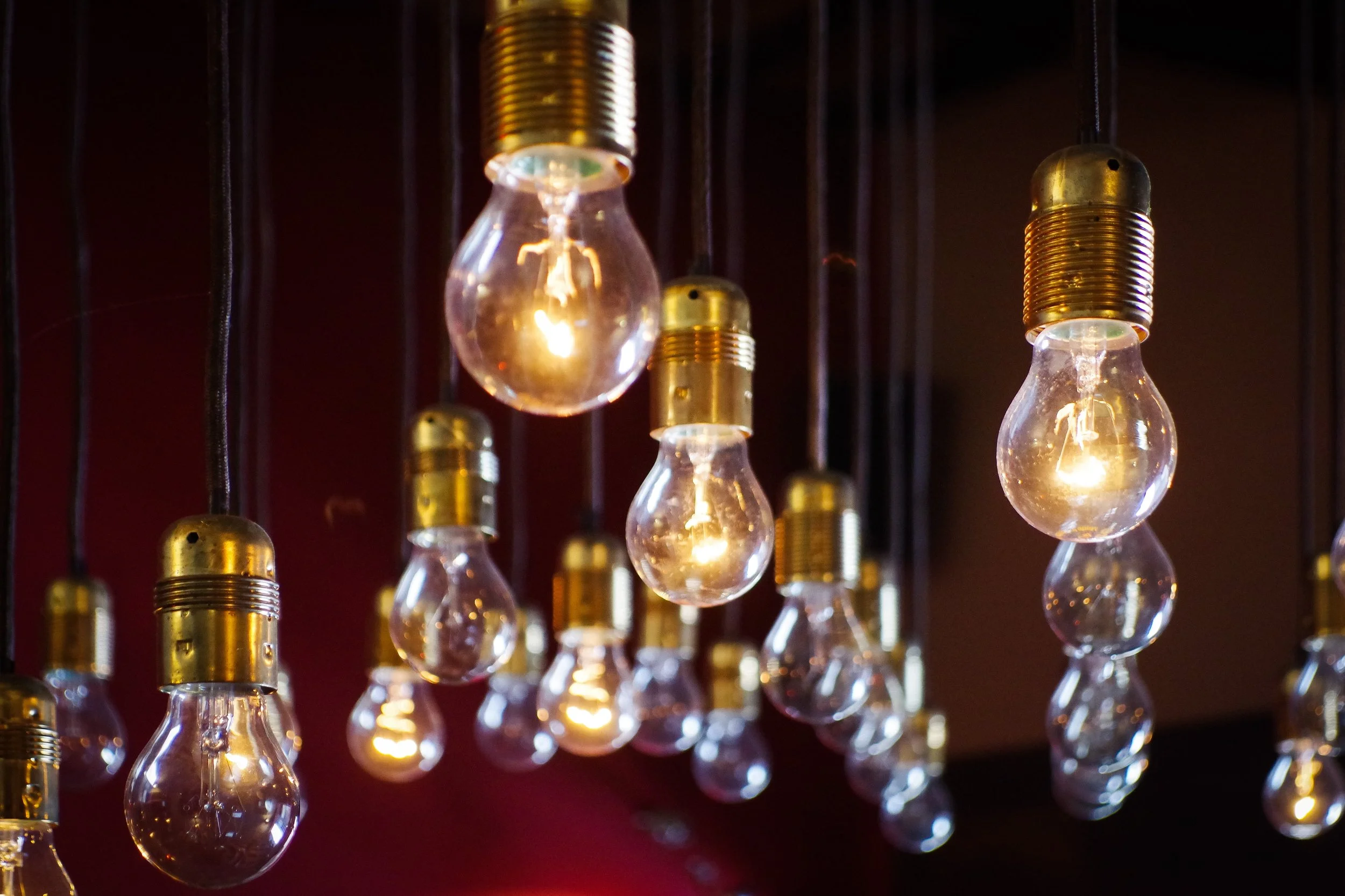
Another issue is uneven lighting. Many dark restaurants rely on small pools of light — candles, accent pendants, or wall sconces — without enough ambient or task lighting at the table. The result is high contrast between bright and shadowed areas, which makes visual adjustment more difficult, particularly for older diners or anyone with low vision.
Low lighting also affects social comfort. When it’s hard to see expressions or make eye contact across a table, conversations can feel less natural. What’s intended to feel intimate can sometimes feel isolating instead, especially in group settings.
In short, darkness itself isn’t the problem — insufficient, poorly balanced lighting is. A well-designed restaurant can feel warm and atmospheric without forcing diners to struggle just to see comfortably.
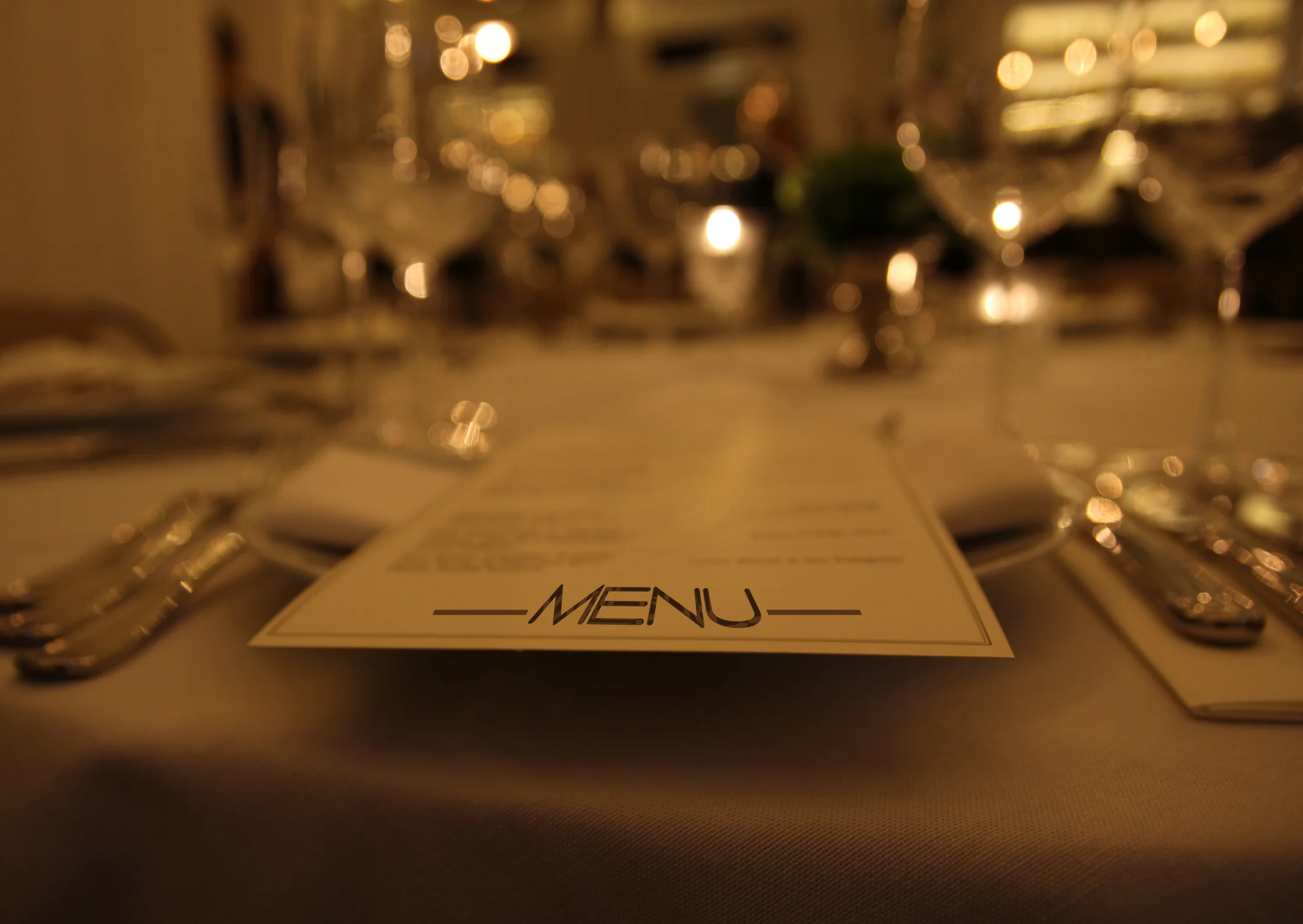
Photo by seyitali/iStock / Getty Images
Why Restaurants Use Low Lighting (and Why It Persists)
Despite the downsides, there are clear reasons many restaurants continue to favor low lighting. One of the biggest is atmosphere. Dimmer spaces are often associated with warmth, intimacy, and a sense of escape, which can make a dining experience feel more special or indulgent.
Lighting also plays a role in pacing. Softer, darker environments tend to encourage people to linger longer, especially in evening settings. For certain types of restaurants — cocktail bars, fine dining, or date-night destinations — this aligns with the overall experience they’re trying to create.
There’s also a strong visual and marketing component. Dark interiors photograph well, particularly when combined with dramatic accent lighting, candles, or illuminated bars. These images perform better on social media and promotional platforms, even if the space is less comfortable in person.
From a practical standpoint, lower lighting can hide imperfections. Dimmer rooms are more forgiving of tight layouts, aging finishes, or construction limitations. This can reduce renovation costs and ongoing maintenance, which is appealing from a business perspective.
The issue isn’t that these reasons are invalid — it’s that they often take priority over how diners actually function in the space. When mood, branding, and cost outweigh comfort and usability, lighting becomes a stylistic choice rather than a thoughtful design decision.

Photo by Stanford Smith on Unsplash
The Downsides for Diners (and Who Gets Left Out)
While dark restaurant lighting may look stylish, it can create real challenges for diners. One of the most common complaints is simply being unable to read menus comfortably. When guests have to rely on phone flashlights or guess at menu items, it disrupts the experience and pulls attention away from the meal itself.
Eye strain is another issue. Prolonged time in very low or uneven lighting can lead to fatigue, headaches, or visual discomfort, especially for people who already wear glasses or have light sensitivity. These effects often go unnoticed until diners leave the space feeling more tired than relaxed.
Dark environments can also create social discomfort. When it’s difficult to see facial expressions or maintain eye contact across the table, conversation can feel strained rather than intimate. What’s meant to encourage connection can unintentionally make group dining less engaging.
Most importantly, overly dim lighting can exclude people altogether. Older adults, people with low vision, and those with certain visual or neurological conditions may find dark restaurants physically uncomfortable or inaccessible. For some diners, poor lighting isn’t an inconvenience — it’s a barrier that determines whether they can enjoy the space at all.
Good design should welcome as many people as possible. When lighting prioritizes mood at the expense of visibility and comfort, it limits who can fully participate in the dining experience.
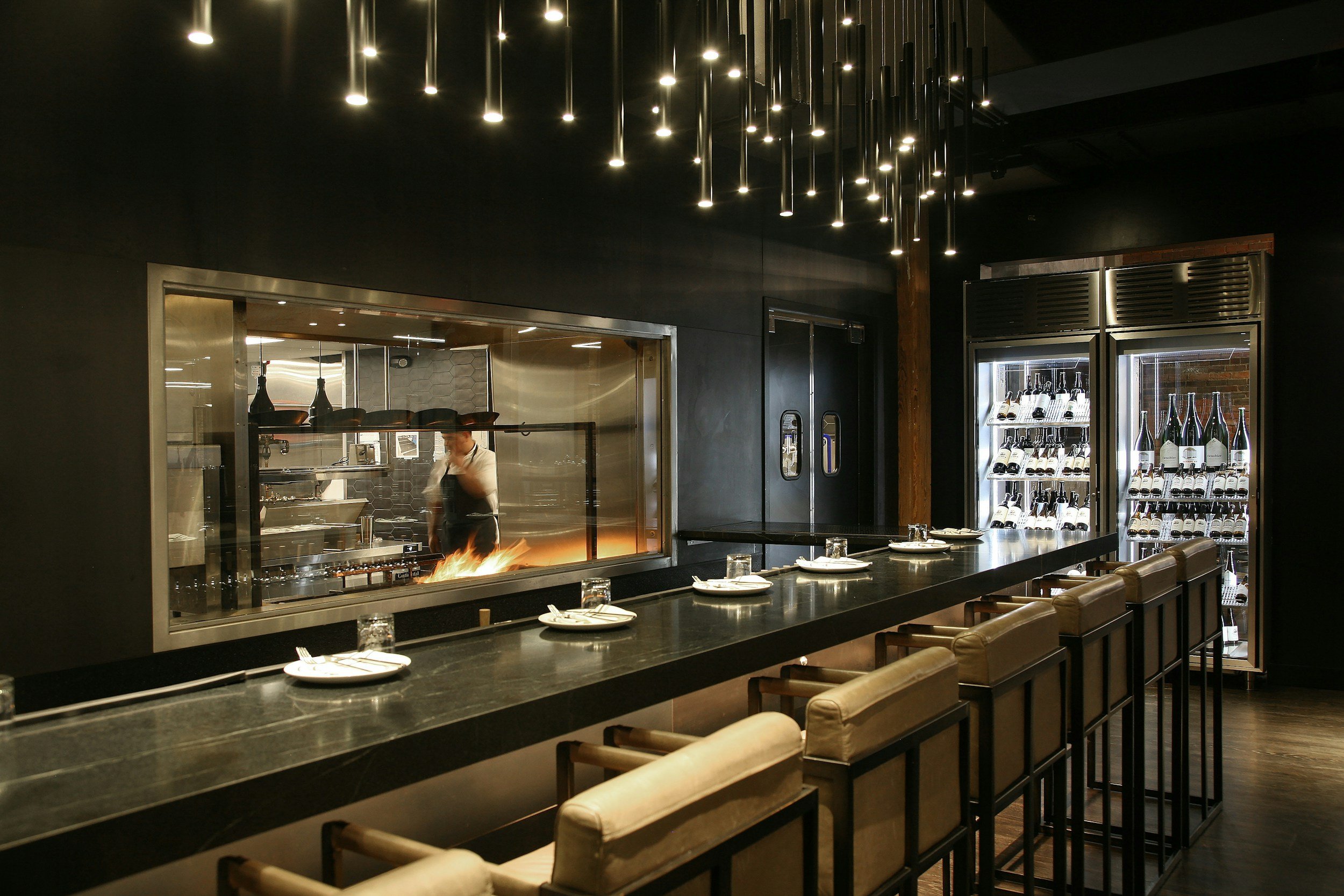
Image credit: Unsplash
What Designers Would Do Differently
Thoughtful restaurant lighting doesn’t mean choosing between atmosphere and visibility — it means designing layers of light that work together. When done well, a space can feel warm and intimate while still allowing diners to see comfortably.
Designers start by separating ambient, task, and accent lighting. Ambient lighting provides overall brightness, task lighting focuses on functional areas like tables and menus, and accent lighting adds visual interest without carrying the entire load. Problems arise when accent lighting is expected to do everything on its own.
Control is just as important as brightness. Dimmable fixtures, adjustable zones, and varied light sources allow restaurants to adapt lighting throughout the day and evening. A space that feels appropriate at 6 p.m. may need different lighting at 9 p.m., and flexible systems make that possible.
Good lighting design also considers contrast and placement. Even in darker environments, tables should be gently illuminated so faces, menus, and food are visible without glare. Warm light with proper diffusion can create softness without sacrificing clarity.
When lighting is designed intentionally, diners rarely notice it at all — they simply feel comfortable, relaxed, and present. That’s the real goal of good restaurant lighting.
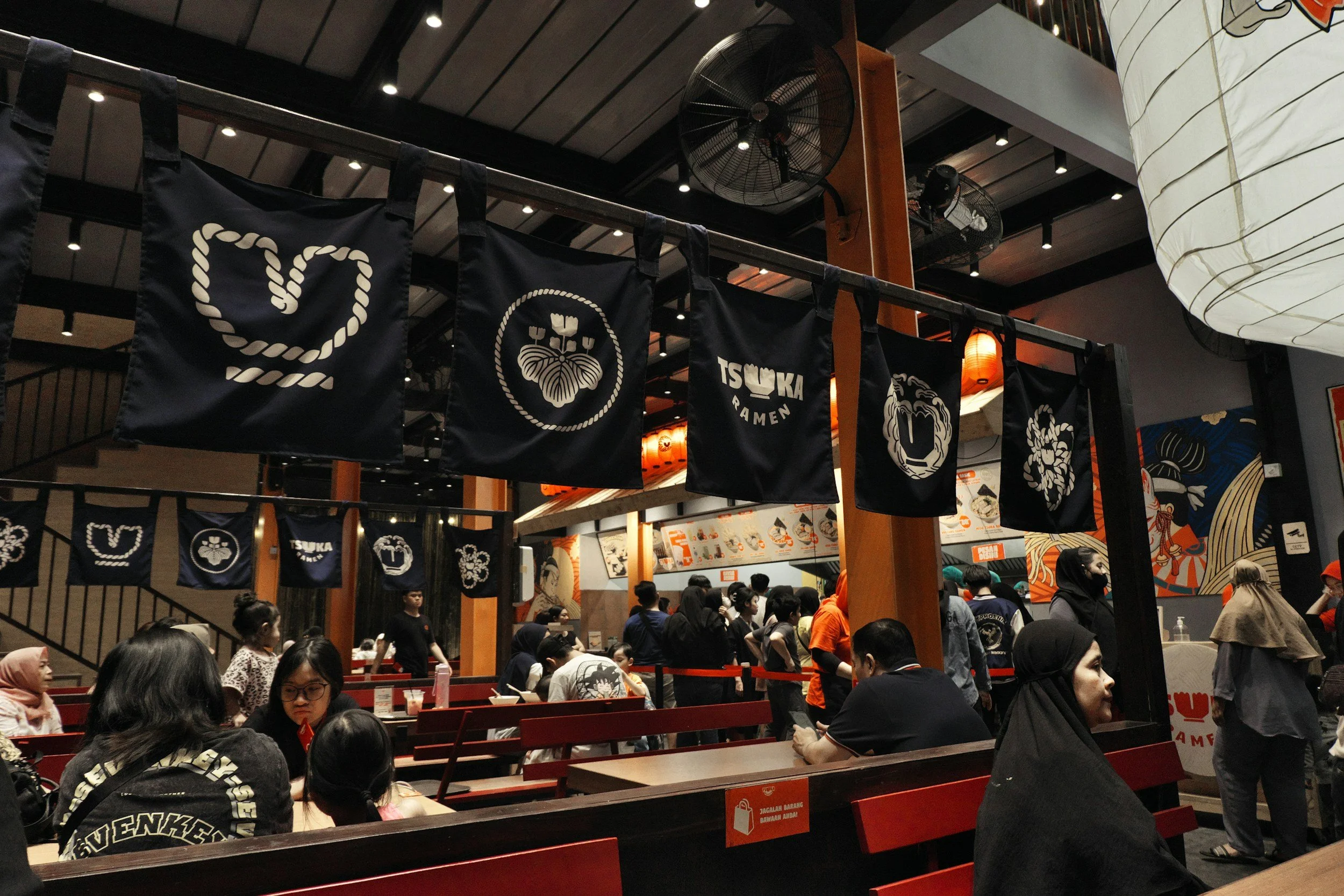
Image credit: Unsplash
Finding the Balance Between Mood and Comfort
The appeal of dimly lit restaurants is understandable. Atmosphere matters, and lighting plays a powerful role in shaping how a space feels. But when mood comes at the expense of comfort, the dining experience suffers — sometimes in ways people can’t easily articulate.
The most successful restaurants find a balance. They create warmth and intimacy while still respecting how people see, interact, and enjoy a meal together. Thoughtful lighting design doesn’t demand attention; it quietly supports the experience.
As diners, we may not always be able to control how a space is lit, but we can recognize when a design choice isn’t working for us. And as designers, the responsibility is clearer: spaces should invite people in, not make them work to feel comfortable.
Good lighting doesn’t have to be bright to be effective — it just has to be intentional.
