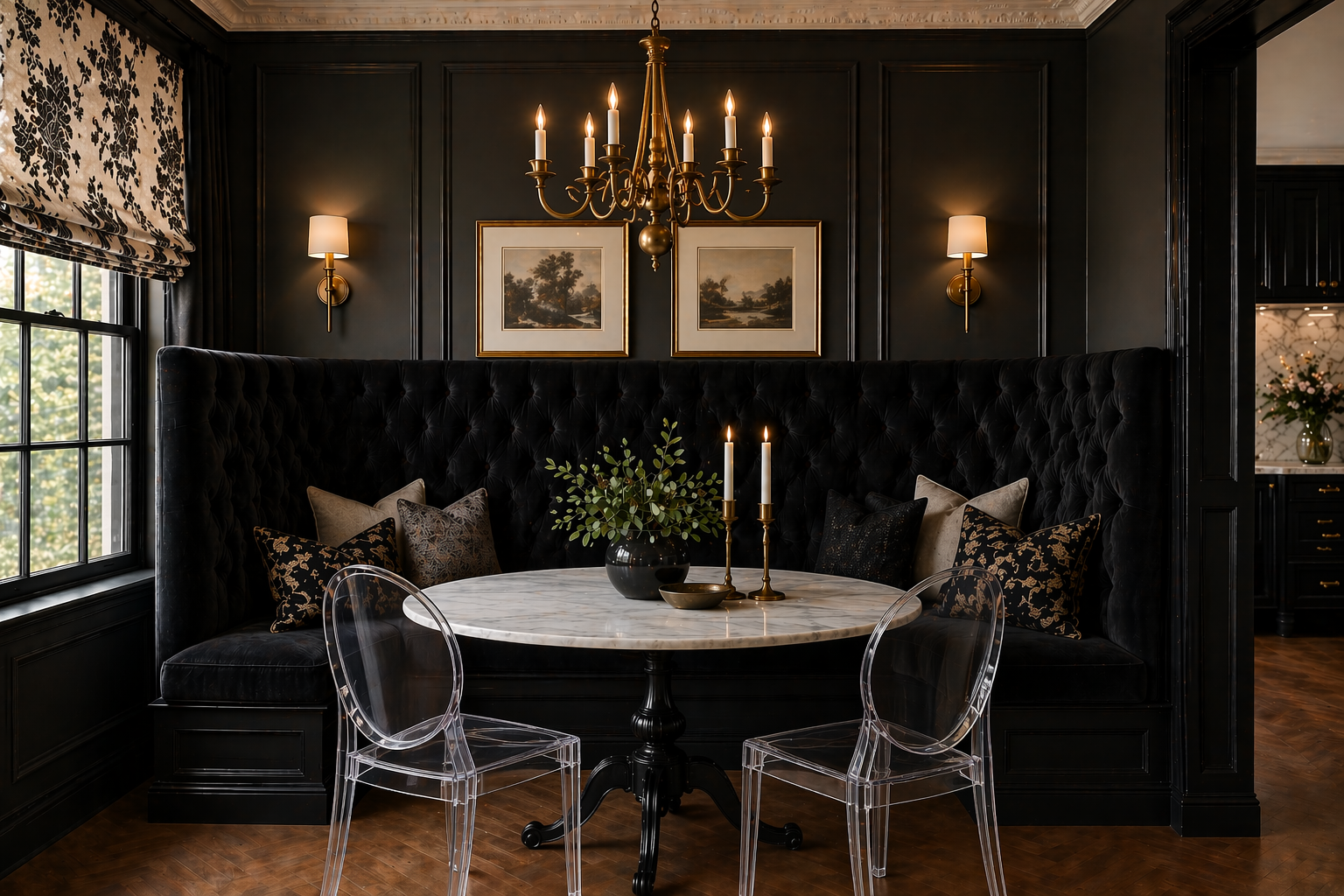
Do You Need 2D or 3D Interior Design Renderings for Your Project?
When planning a home project, one of the most common questions I get is whether 2D or 3D renderings are necessary. Many people assume that 3D renderings are the better option simply because they look more realistic, but that’s not always the case.
f you’re not familiar with how 2D and 3D renderings differ, you can read a more detailed breakdown here.
The right choice depends on a few key factors—how complex your space is, how comfortable you are interpreting a design plan, and how you prefer to make decisions throughout the process. In some cases, a well-developed 2D rendering is more than enough to move forward with confidence. In others, a 3D rendering can provide the clarity needed to fully understand how everything will come together.
Understanding the difference isn’t just about visuals—it can impact your budget, your timeline, and how smoothly your project moves from concept to completion.
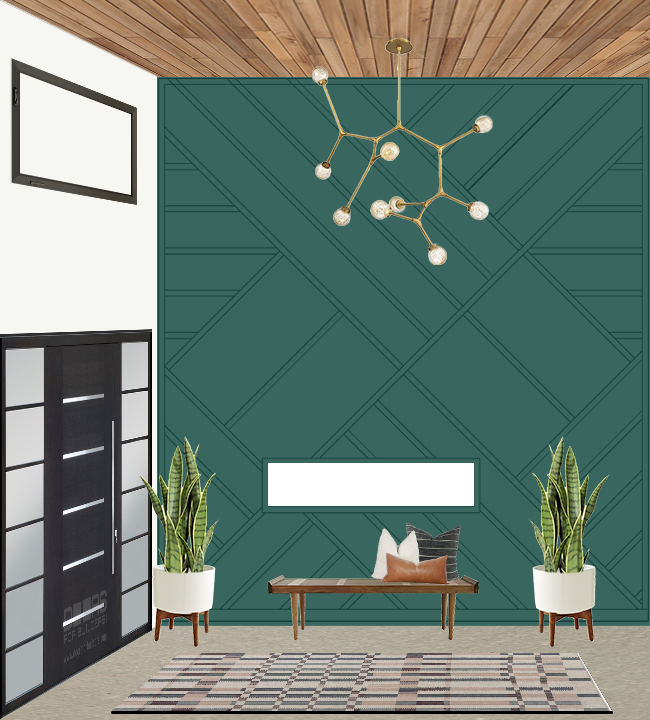
2D rendering of a mid-century modern and industrial style foyer, designed by Joshua Jones of JJones Design Co., featuring a geometric accent wall, wood ceiling, and curated furnishings.
Why This Decision Matters
Choosing between 2D and 3D renderings isn’t just about how a design is presented—it directly impacts how you experience the entire design process.
The type of rendering you choose can influence how quickly decisions are made, how confident you feel moving forward, and how clearly you understand the final outcome. For some clients, a 2D rendering provides just the right level of direction without overcomplicating things. For others, a 3D rendering removes uncertainty by showing a more realistic view of the space.
It also plays a role in both timeline and budget. 2D renderings are typically faster to create and easier to adjust, while 3D renderings require more time and detail to produce. Understanding this upfront helps set the right expectations and ensures that the design process feels smooth rather than overwhelming.
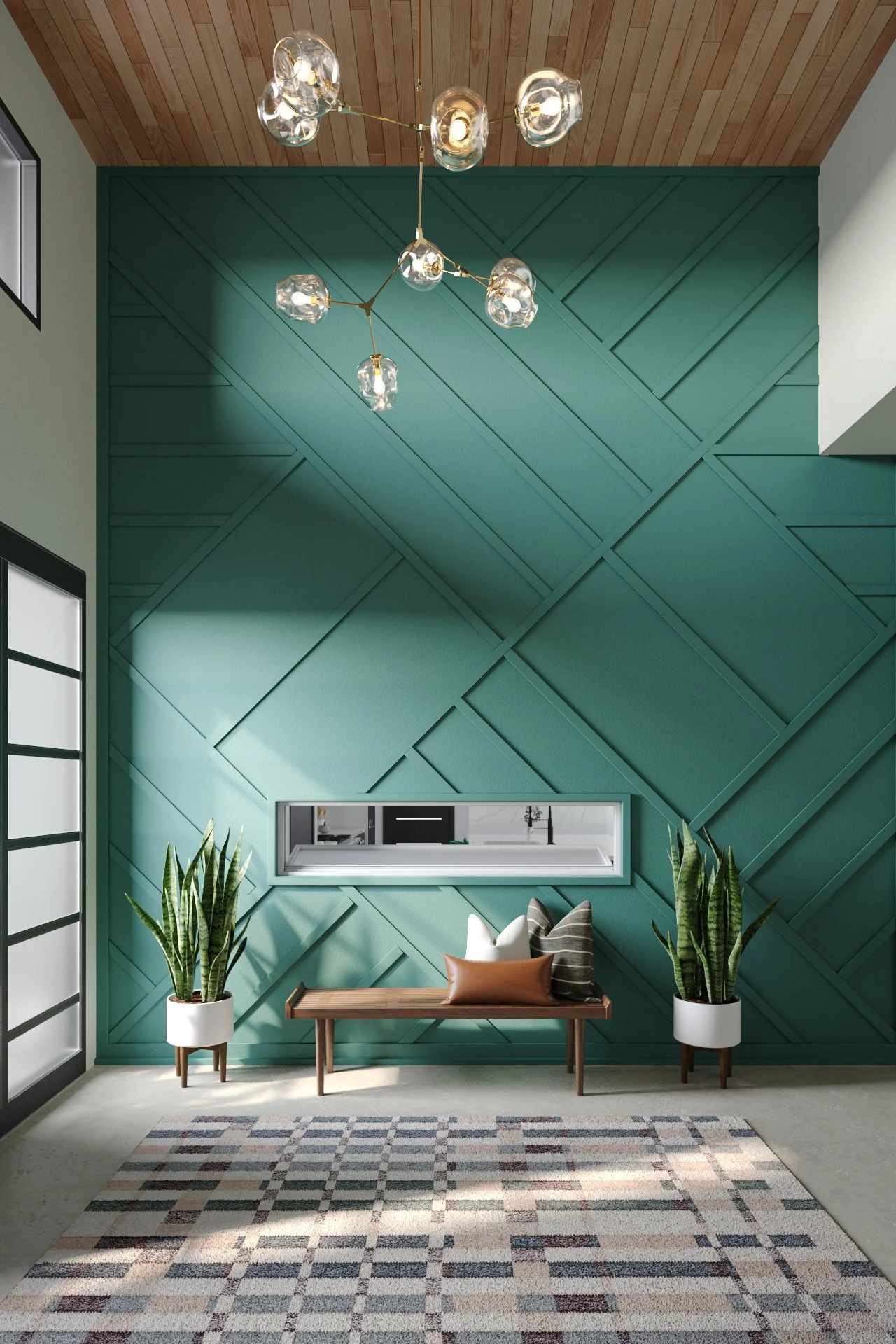
3D rendering of a mid-century modern and industrial style foyer, designed by Joshua Jones of JJones Design Co., showing a realistic view of the geometric accent wall, lighting, and materials.
When 2D Renderings Are the Right Choice
2D renderings are often the most efficient and practical option for many projects. They provide a clear design direction by showing the selected furniture, materials, and overall aesthetic without requiring a fully built-out visual of the space.
This approach works especially well for straightforward rooms where the layout is already established or doesn’t require major changes. It’s also a great fit for clients who feel comfortable interpreting a design plan and can visualize how individual pieces will come together in the room.
Because 2D renderings are quicker to produce and easier to adjust, they allow for more flexibility during the design process. They also tend to be more budget-friendly, making them a strong option when the goal is to create a cohesive, well-designed space without adding unnecessary time or cost.
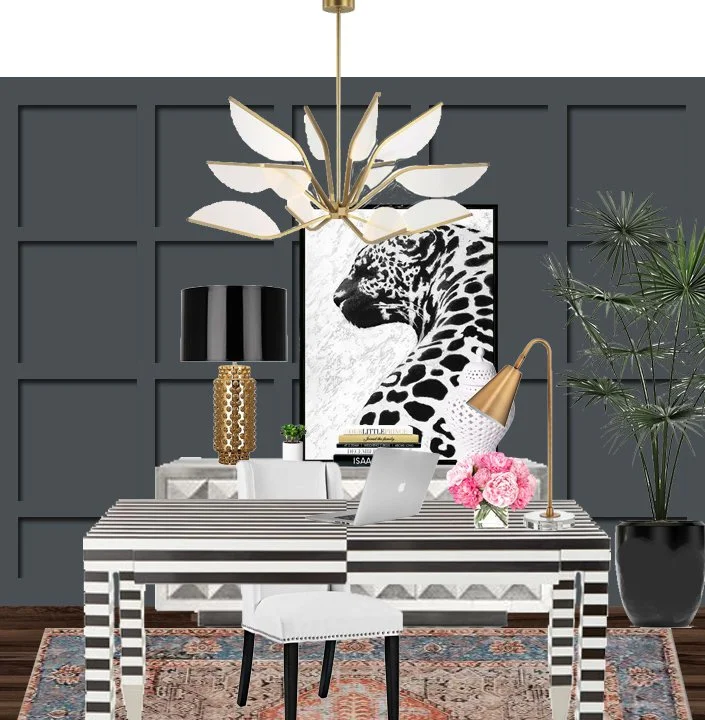
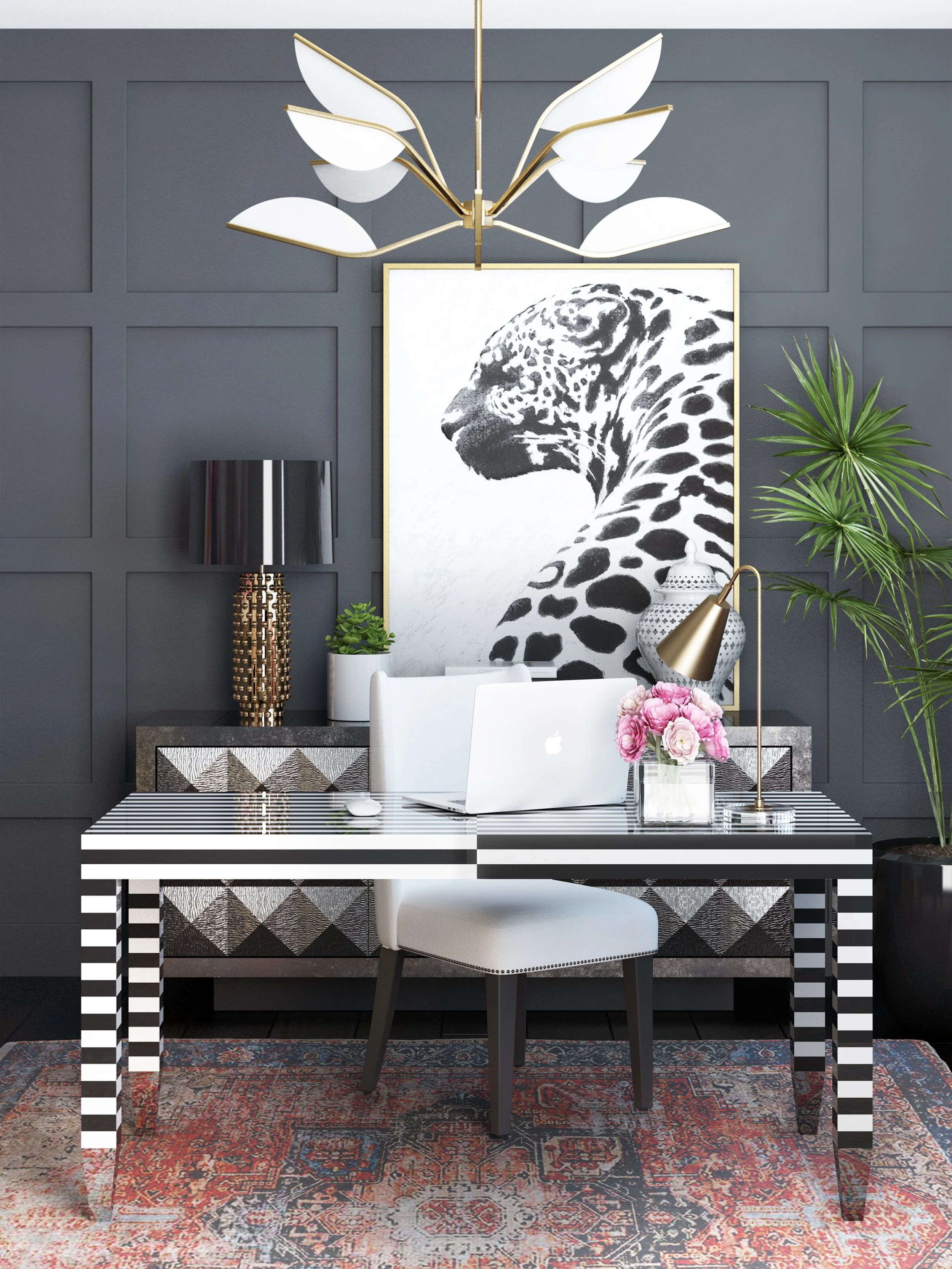
2D rendering of a modern glam home office, designed by Joshua Jones of JJones Design Co., featuring bold contrast, layered textures, and statement lighting.
When 3D Renderings Are Worth It
3D renderings can be incredibly helpful when a space is more complex or when it’s difficult to visualize how everything will come together. They provide a realistic view of the room, showing scale, layout, materials, and lighting in a way that closely reflects the finished result.
This is especially valuable for open-concept spaces, rooms with multiple functions, or projects that involve more detailed planning. When several elements need to work together seamlessly, a 3D rendering can make it much easier to see how the design will function as a whole.
They’re also a strong option for anyone who prefers to see a clear, realistic representation before making decisions. Instead of interpreting a concept, you’re able to view the space in a way that feels more tangible, which can make the process feel more comfortable and confident.
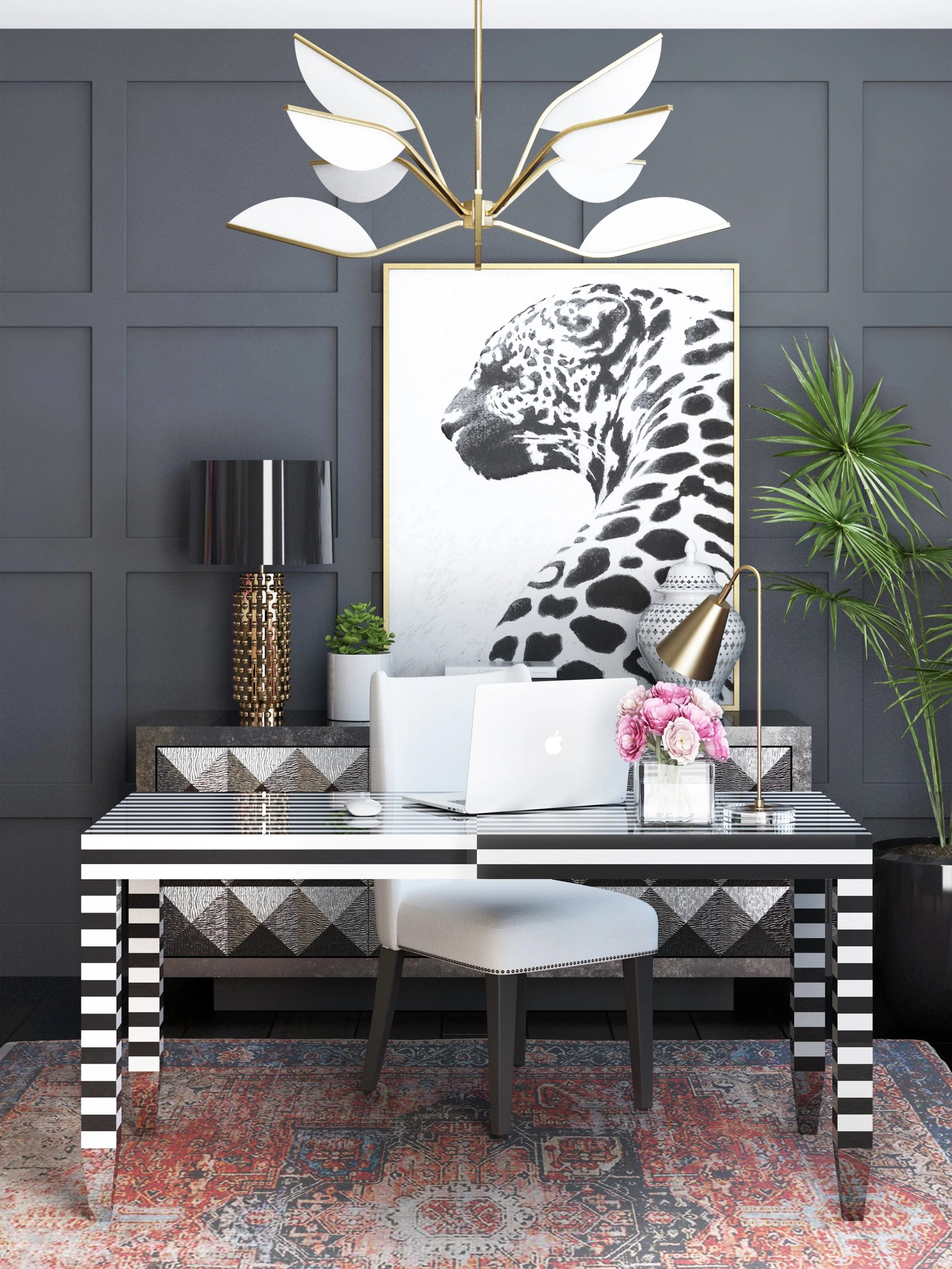
3D rendering of a modern glam home office, designed by Joshua Jones of JJones Design Co., showing a realistic view of materials, lighting, and layered finishes.
When 3D Renderings Are Not Necessary
While 3D renderings can be helpful, they’re not always the best use of time or budget. In many cases, they don’t add meaningful value to the design process—especially when the scope of the project is relatively simple.
For example, if you’re updating a room with new furniture, refining the layout, or making smaller design changes, a well-developed 2D rendering is often more than enough to guide the project. If the overall direction is already clear and you feel confident visualizing how the pieces will come together, a 3D rendering may not provide additional clarity.
It’s also worth considering whether the added time and cost align with your priorities. If your goal is to move forward efficiently while still achieving a cohesive and well-designed space, keeping the process simpler can often be the better approach.
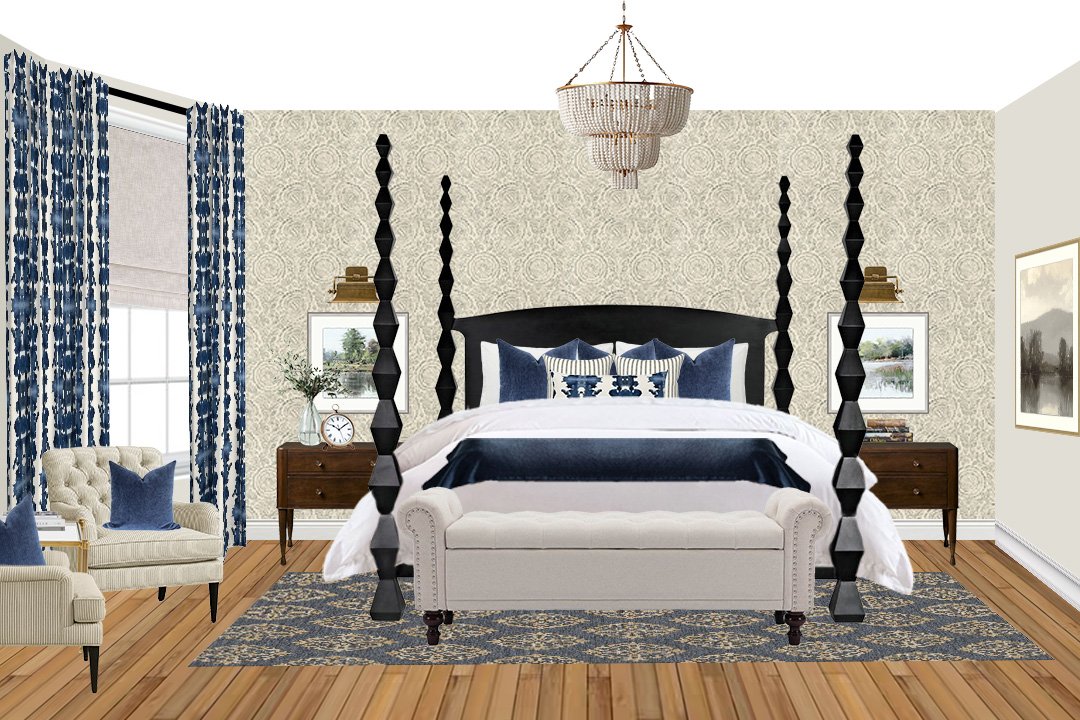
2D rendering of a modern Victorian style primary bedroom, designed by Joshua Jones of JJones Design Co., featuring layered textiles, classic details, and a refined color palette.
How I Help Clients Decide
Every project is a little different, so there isn’t a one-size-fits-all answer when it comes to choosing between 2D and 3D renderings. My approach is to start with a clear design direction—focusing on layout, overall aesthetic, and how the space will function—before recommending the level of visualization that makes the most sense.
As part of my virtual interior design services, I guide clients through this decision based on their space, goals, and overall project scope.
For many projects, a well-developed 2D rendering provides everything needed to move forward with confidence. In other cases, especially when the layout is more complex or the space is harder to visualize, adding a 3D rendering can bring an extra level of clarity.
The goal is not to use the most advanced option, but to choose the one that supports your project in the most effective way. By tailoring the process to each client and space, I’m able to keep the design experience clear, efficient, and aligned with your priorities.
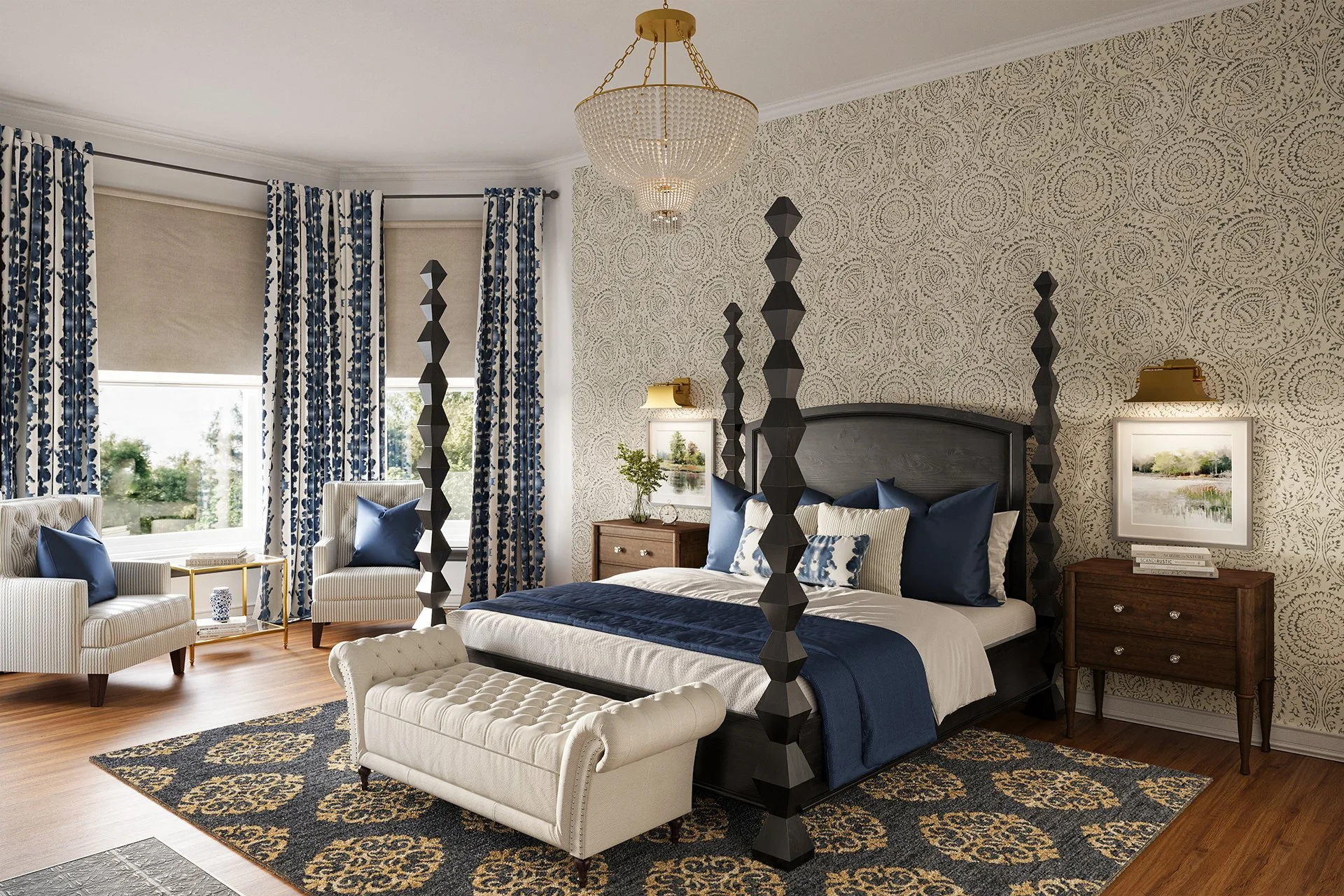
3D rendering of a modern Victorian style primary bedroom, designed by Joshua Jones of JJones Design Co., showing a realistic view of layered textiles, lighting, and architectural details.
Making the Right Choice for Your Project
Choosing between 2D and 3D renderings isn’t about which one looks better—it’s about selecting the option that helps you make clear, confident decisions for your space.
Both approaches serve a purpose, and when used appropriately, each can support a successful design outcome. The key is understanding what you need for your specific project rather than assuming one is automatically better than the other.