
Best Scandinavian Ceiling Fans for Modern & Minimalist Homes (Designer Picks)
Most ceiling fans work against a modern space instead of enhancing it. They’re often bulky, overly detailed, or simply out of place in rooms that are meant to feel calm and intentional. In a Scandinavian or minimalist home, that disconnect becomes even more obvious.
The challenge isn’t just finding a ceiling fan that functions well—it’s finding one that actually belongs in the room. The right design should feel light, simple, and quietly integrated, not like an afterthought hanging from the ceiling.
As a designer, I look for ceiling fans that complement the overall aesthetic without competing for attention. Clean lines, soft finishes, and balanced proportions make all the difference.
Here’s what to look for—and the best Scandinavian ceiling fans that bring both function and design together.
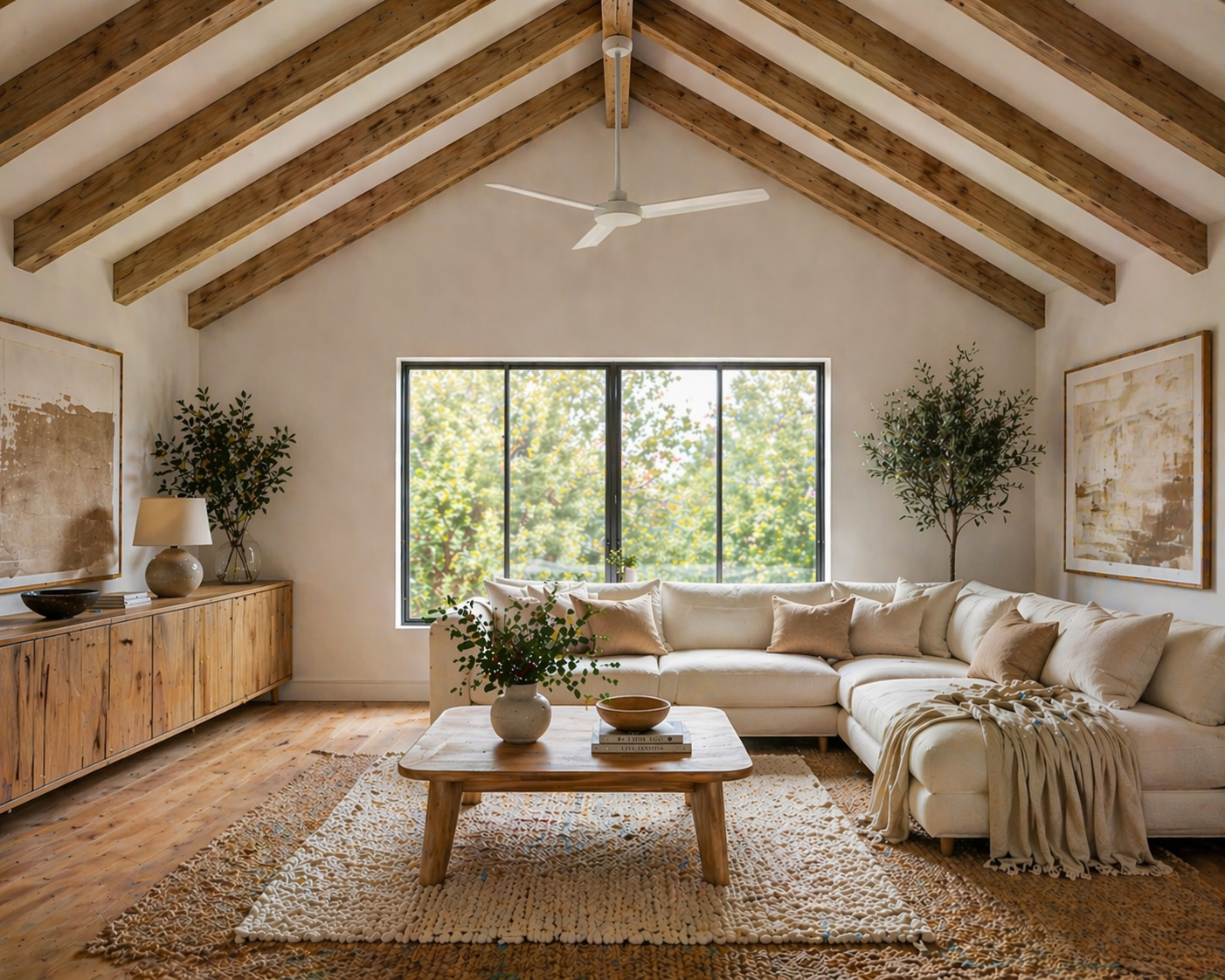
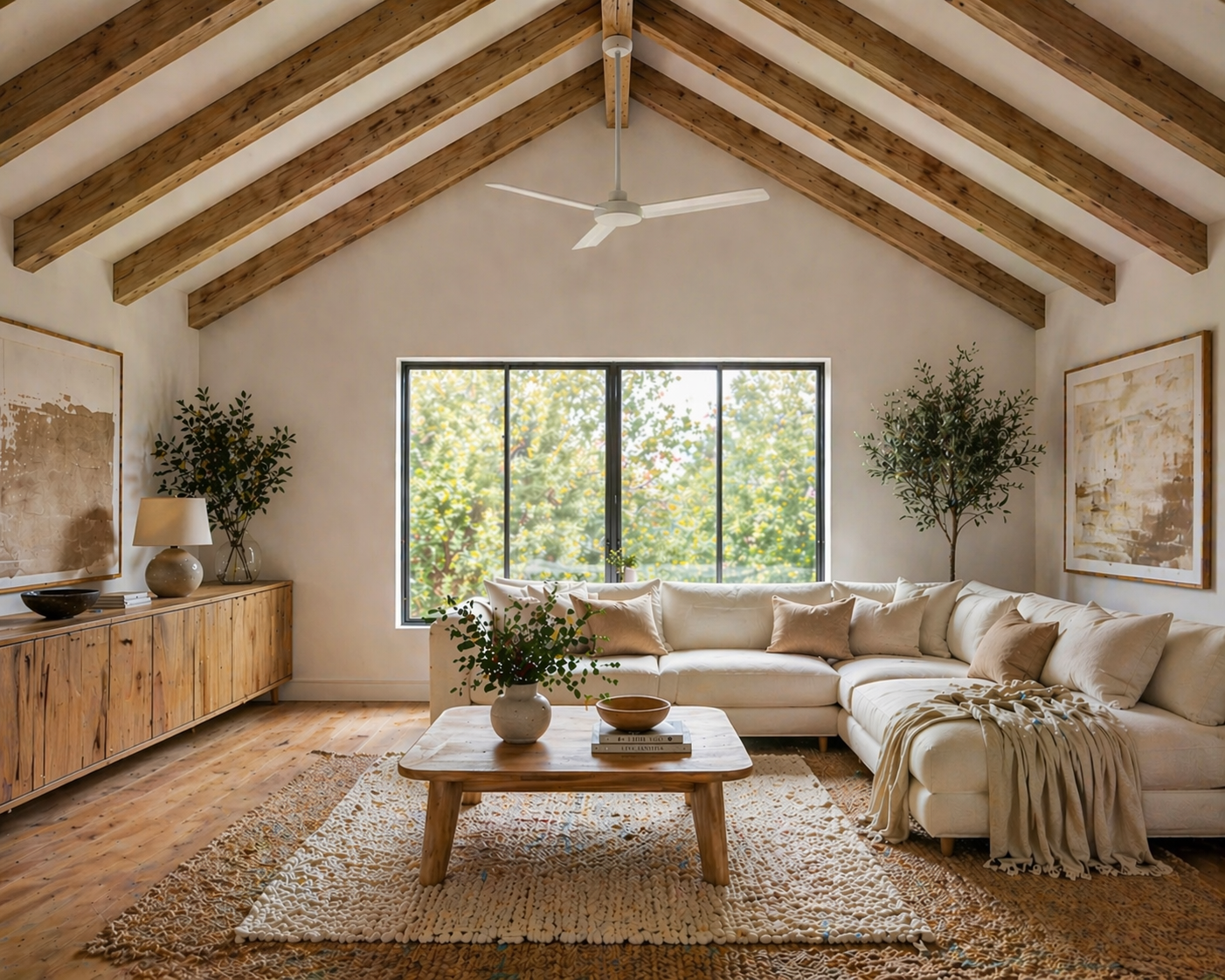
Scandinavian-style living room with vaulted wood beam ceiling and minimalist white ceiling fan (AI-generated image)
What Defines a Scandinavian Ceiling Fan
A Scandinavian-style ceiling fan isn’t about making a statement—it’s about blending in seamlessly while still feeling considered. The best ones are simple, refined, and visually quiet.
Here’s what I look for:
Light or natural wood tones
Oak, ash, or light walnut finishes work especially well. They bring warmth without feeling heavy.Clean, minimal blade shapes
Nothing overly curved, carved, or decorative. The silhouette should feel straightforward and balanced.Matte or soft finishes
Matte black, soft white, bronze, or even oil-rubbed finishes can all work—as long as the overall design stays minimal and not overly traditional or heavy.A lightweight visual presence
Even larger fans should feel airy—not bulky or overpowering.Soft, diffused lighting (if included)
If the fan has a light, it should feel warm and subtle—not harsh or overly bright.
What matters most is restraint. A well-chosen ceiling fan should support the overall design of the room, not compete with it.
If you’re unsure how lighting temperature affects the overall feel of a space, you can read my guide on choosing the right light bulb color for your home.
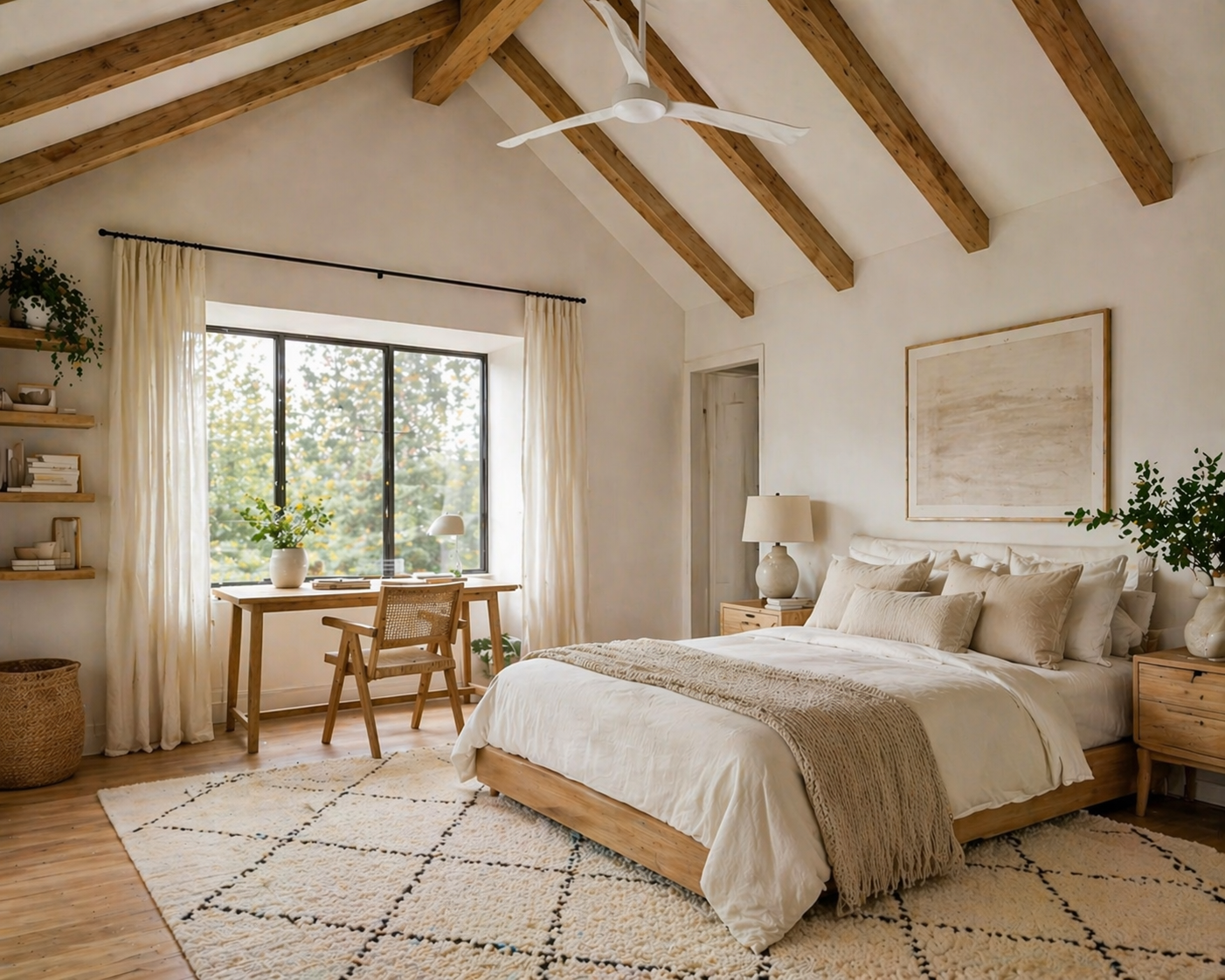
Scandinavian-style bedroom with vaulted wood beam ceiling, minimalist three-blade ceiling fan, and soft neutral palette (AI-generated image)
What to Avoid
Just as important as choosing the right ceiling fan is knowing what doesn’t belong. This is where most people go wrong—and it’s often what makes a space feel slightly off, even when everything else is done well.
Here are the common mistakes I see:
Bulky, traditional 5-blade fans
These tend to feel heavy and dated, especially in clean, modern spaces. The extra visual weight can immediately disrupt a minimalist room.Overly glossy or high-contrast finishes
Shiny metals or high-gloss surfaces draw too much attention and don’t align with the softer, more natural look Scandinavian design is known for.Ornate or decorative detailing
Carved blades, visible hardware, or overly styled light kits can quickly shift the look toward traditional or farmhouse styles.Dated light kits with “flower” glass shades
Those tulip or flower-shaped glass shades you used to see everywhere in the ’80s and ’90s instantly make a fan feel outdated. Even in an otherwise nice room, this detail can throw everything off.Harsh, cool-toned lighting
Integrated lights that lean too cool can make the space feel sterile instead of warm and inviting.Oversized fans in lower ceilings
A fan that hangs too low or feels too large for the room can overwhelm the space and break the visual balance.
The goal is to keep everything feeling intentional and effortless. If a ceiling fan stands out too much, it’s usually the wrong choice for a Scandinavian or minimalist interior.
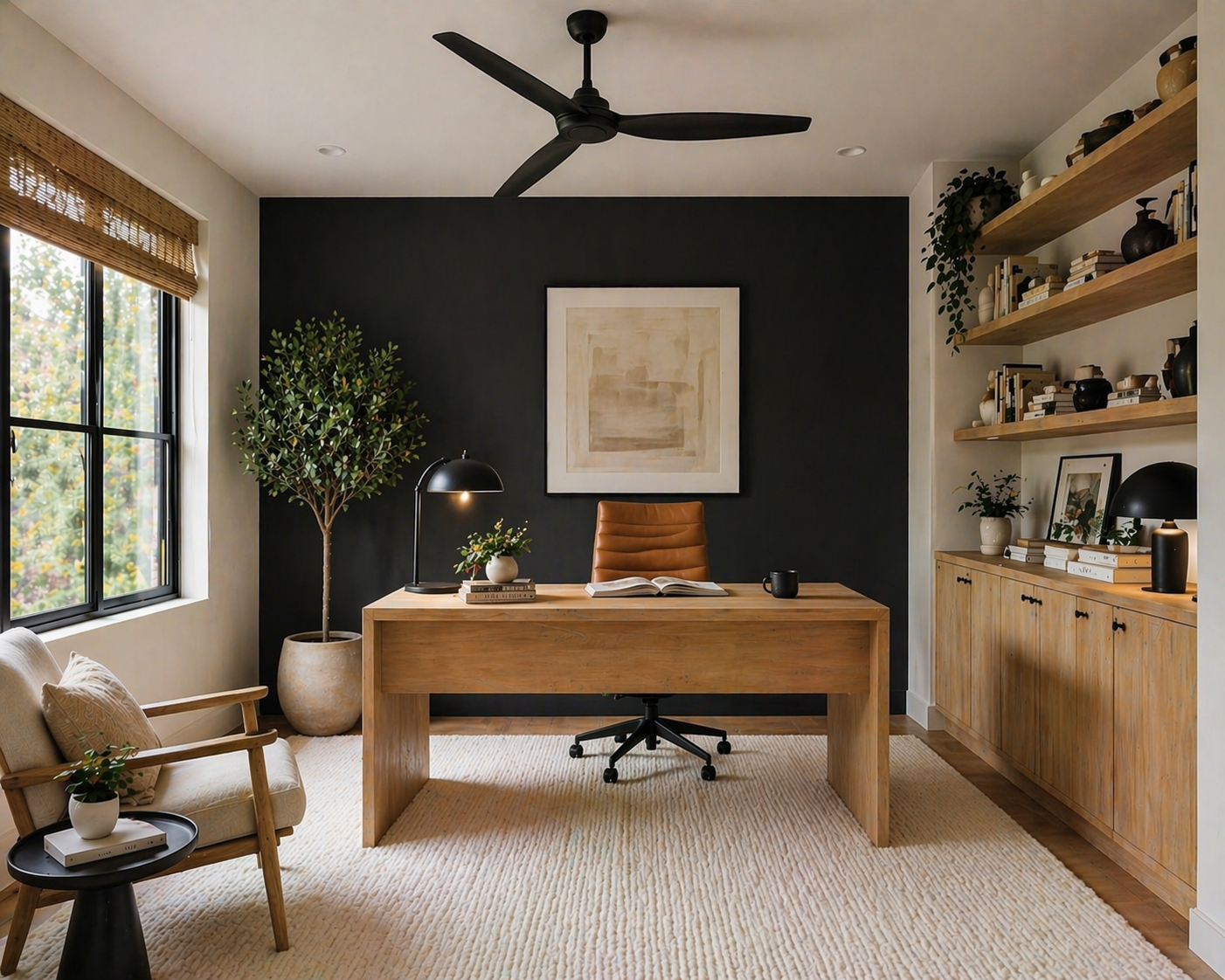
Scandinavian-style home office with sloped ceiling, black three-blade ceiling fan, and Satin Black accent wall (AI-generated image)
Best Scandinavian Ceiling Fans (Designer Picks)
These are the types of ceiling fans I look for when designing Scandinavian or minimalist spaces. Each one keeps the focus on clean lines, balanced proportions, and materials that feel warm without being overwhelming.
Light Wood Blade Ceiling Fan with Matte Black Motor
This is one of the most reliable combinations. The contrast between light wood and matte black adds just enough definition while still feeling modern and restrained. It works especially well in living rooms and open-concept spaces.All-White Minimalist Ceiling Fan (Flush Mount or Low Profile)
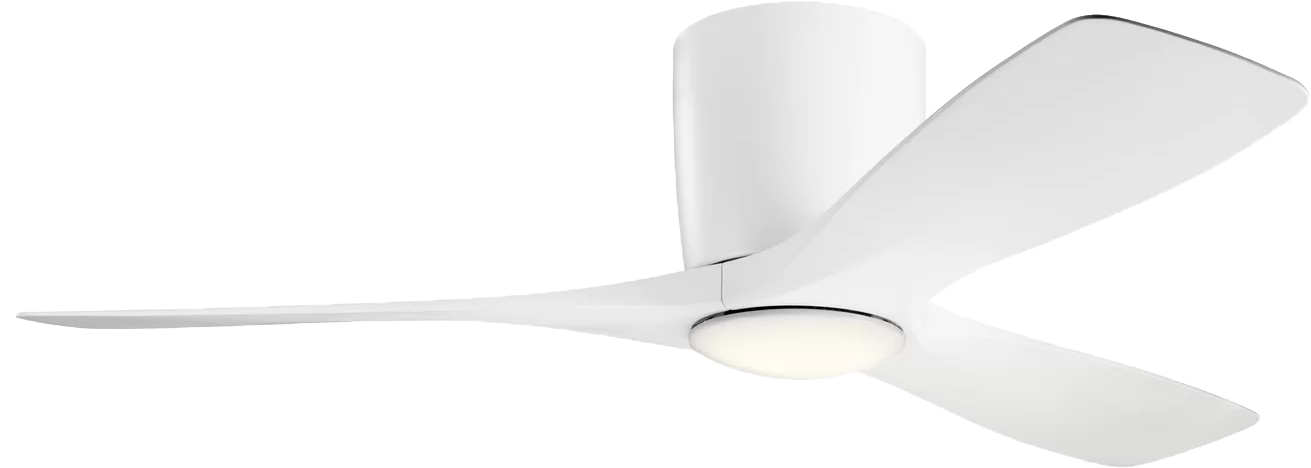
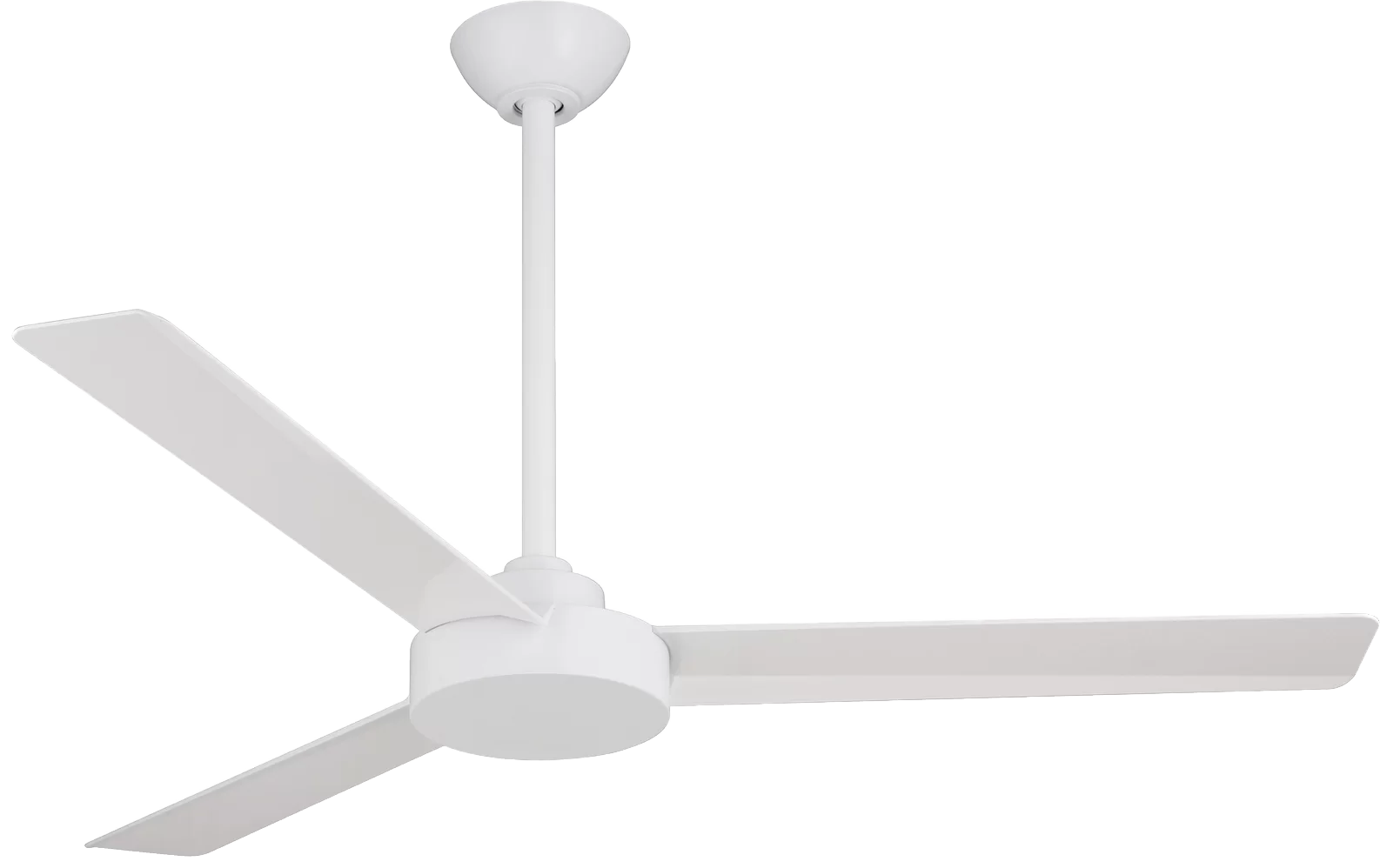
A great option for lower ceilings or smaller rooms. The all-white finish keeps everything visually quiet, allowing the fan to blend into the ceiling without drawing attention.Natural Oak or Ash Wood Ceiling Fan with Integrated Light
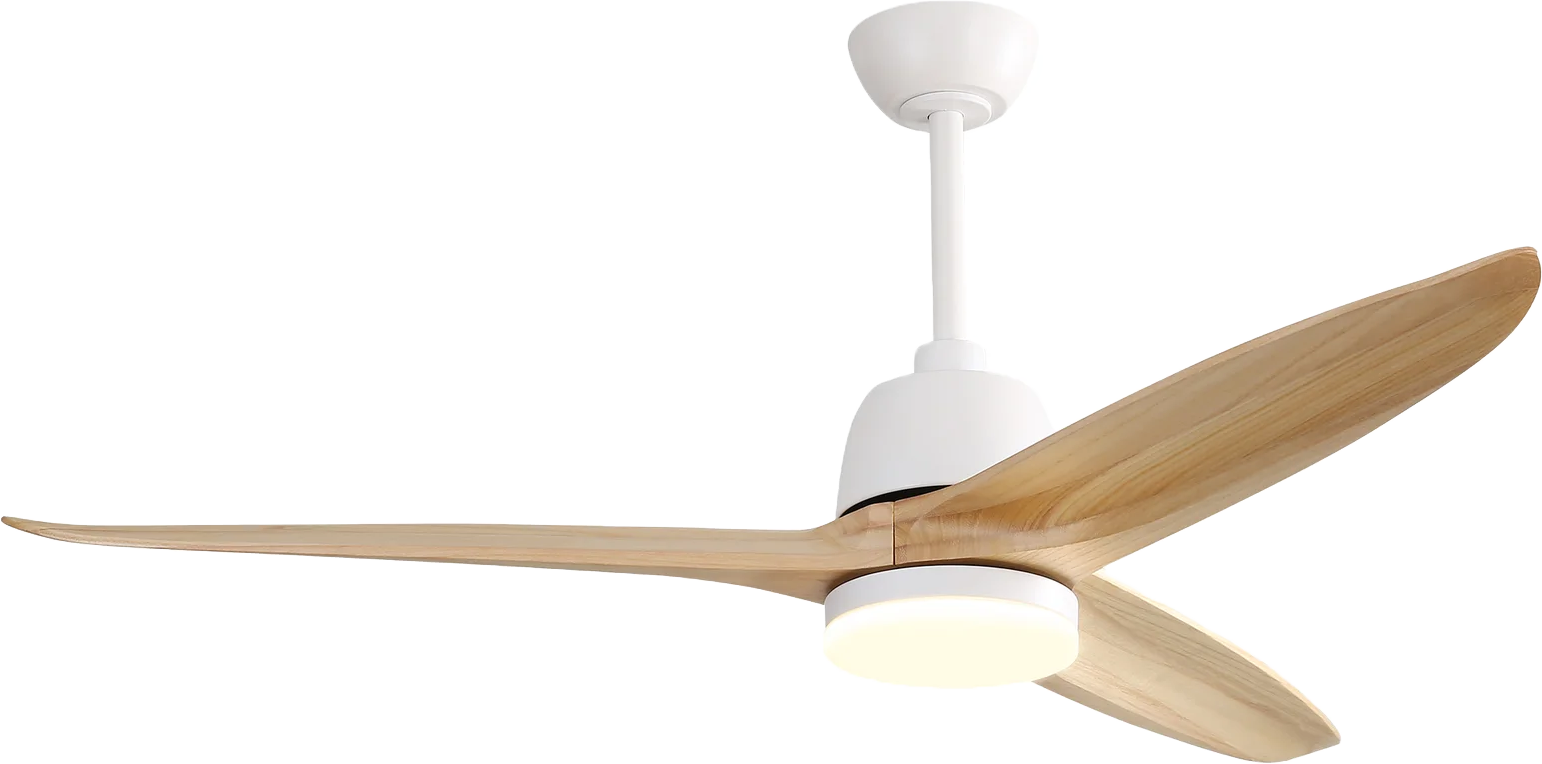
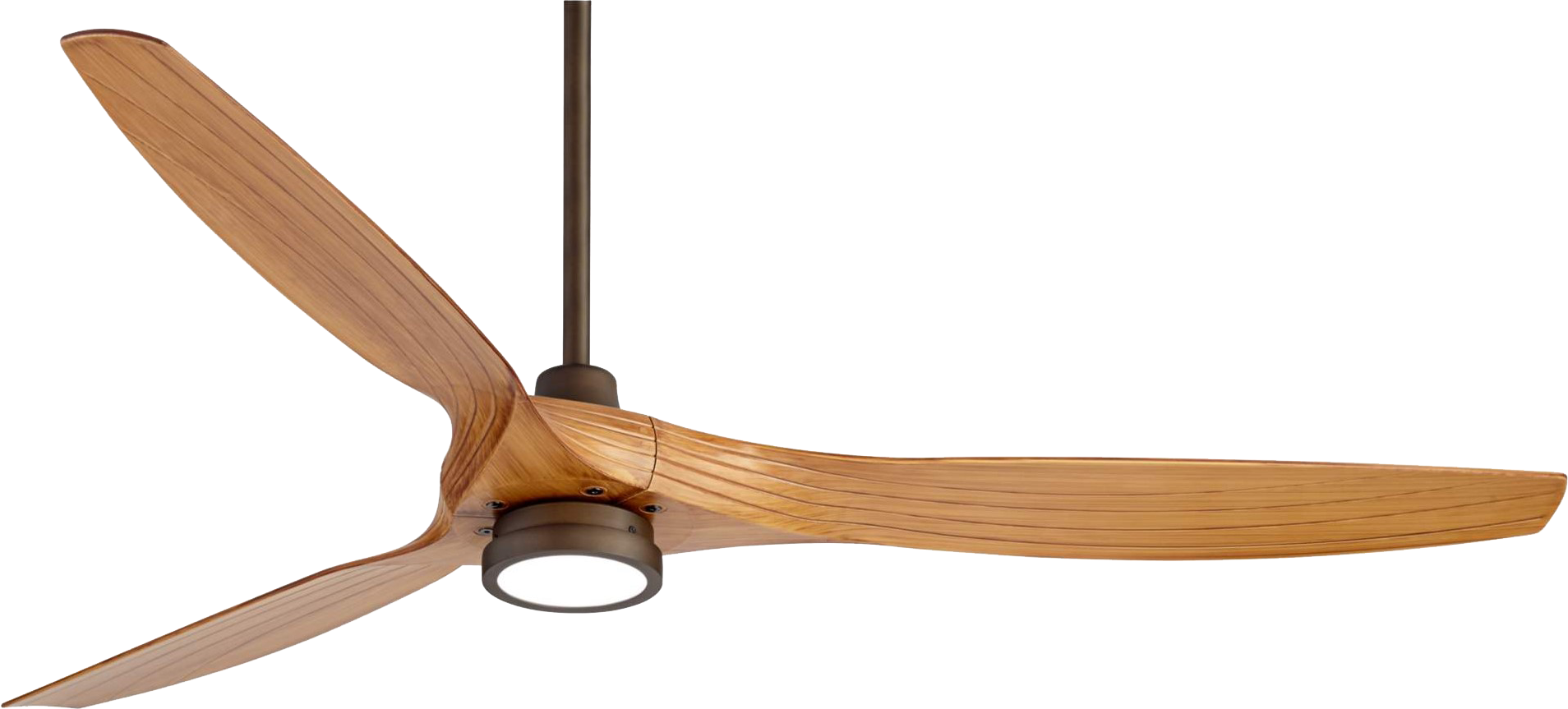
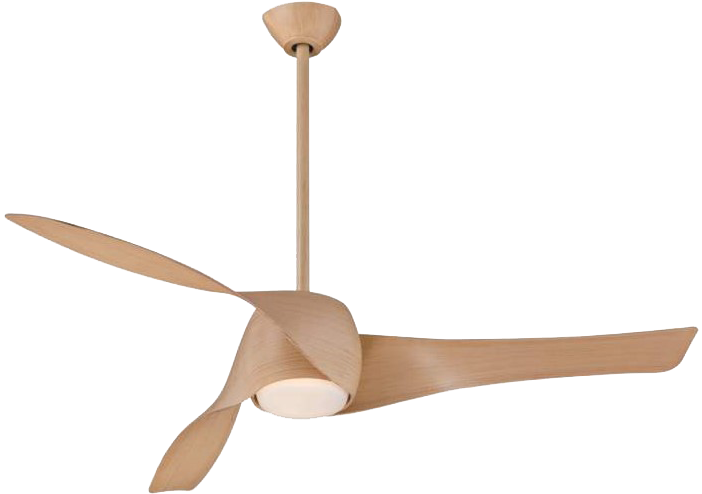
This leans more toward a classic Scandinavian look. The lighter wood tones bring warmth, while an integrated, diffused light keeps the overall design clean and functional.Matte Black Ceiling Fan with Simple Blade Design
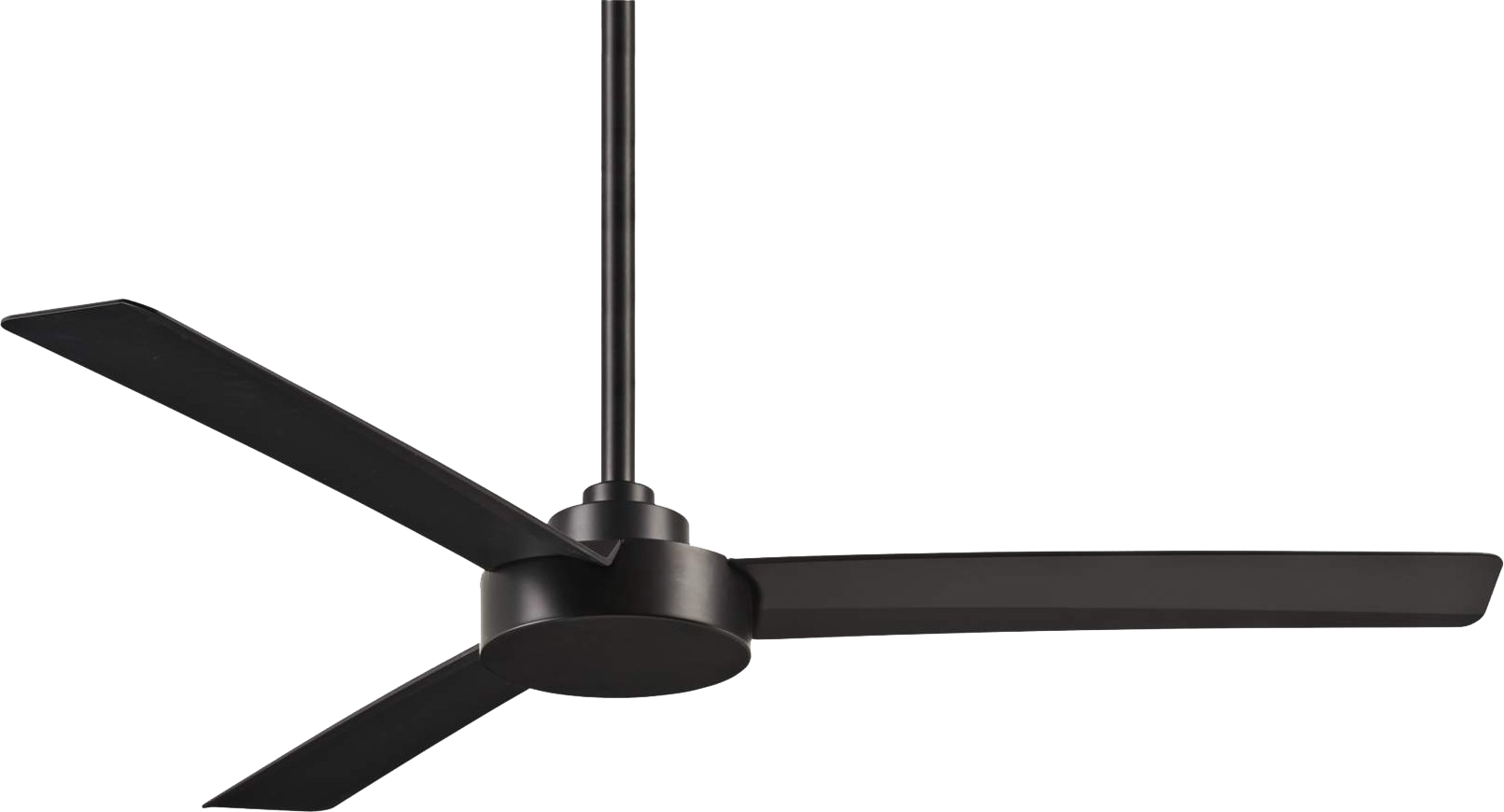
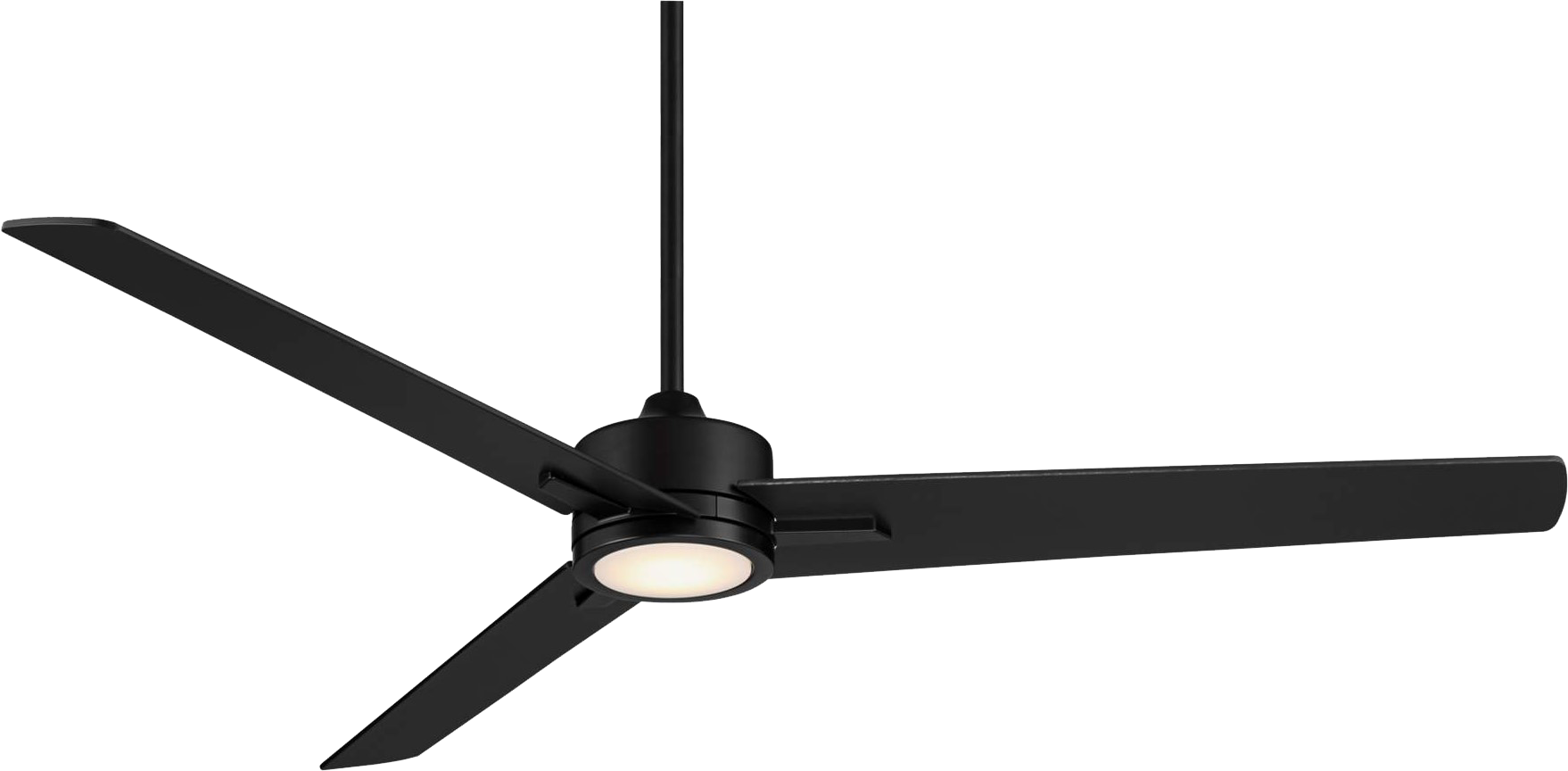
When done right, black can feel just as minimal as white. The key is keeping the form simple and avoiding anything bulky or overly styled. This works well in spaces with black accents or modern contrast.Two- or Three-Blade Sculptural Fan in a Soft Finish
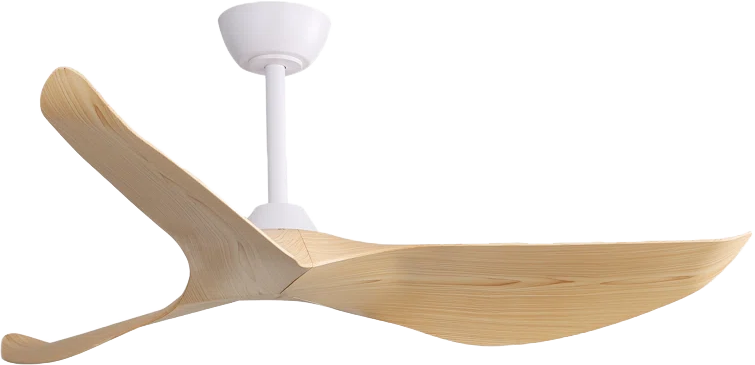
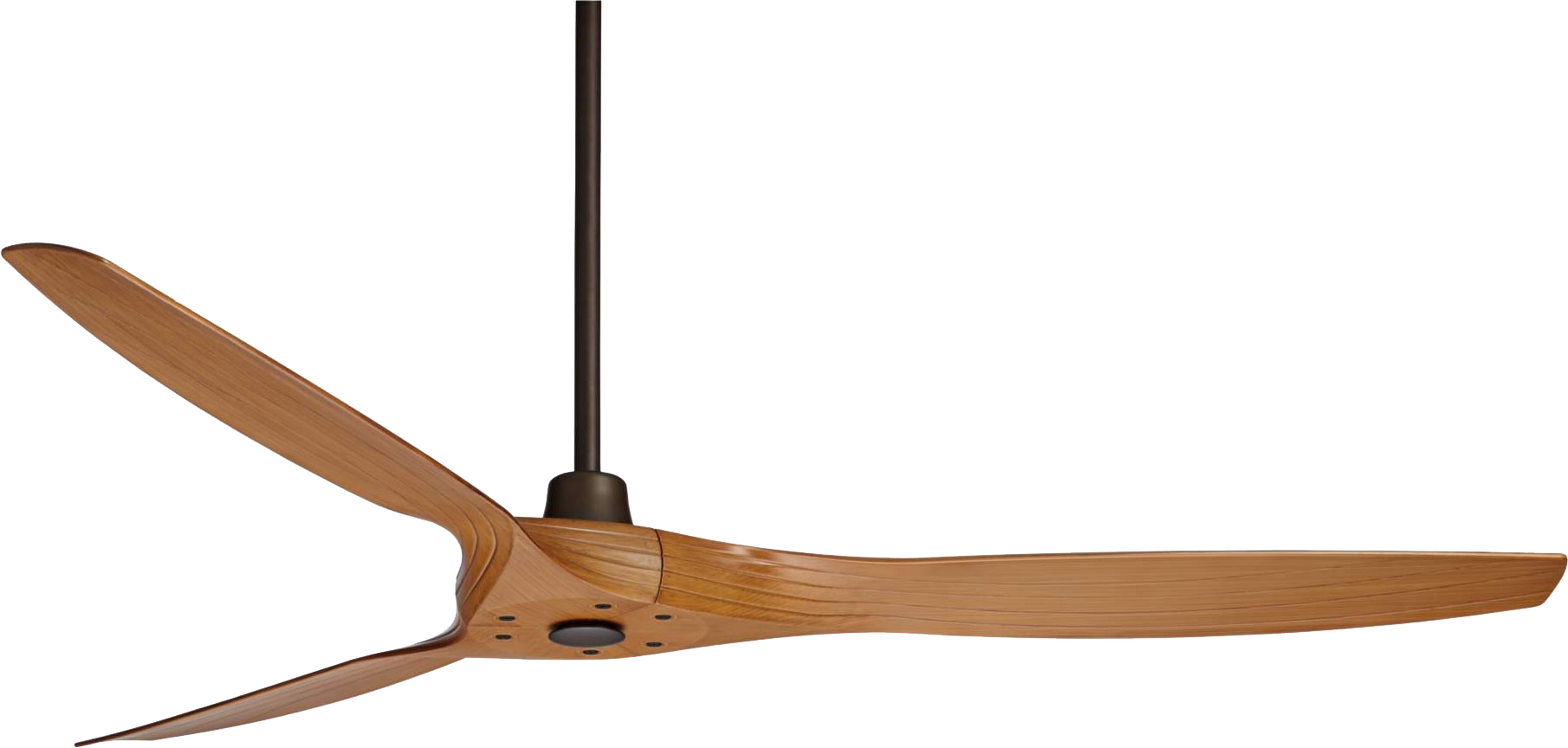
These tend to feel more refined and less traditional than standard five-blade fans. Look for smooth, slightly curved blades in wood or matte finishes—they add subtle movement without feeling decorative.Low-Profile Ceiling Fan with Hidden or Seamless Light Kit
Ideal for bedrooms or rooms where you want everything to feel calm and uncluttered. The best versions don’t separate the light visually—they integrate it into the design so it feels like one cohesive piece.
The goal isn’t to find the most eye-catching fan—it’s to choose one that quietly supports the room. When it’s done right, you almost don’t notice it, but the space feels more complete because of it.
If you’re ready to start shopping, I’ve pulled together a curated selection of Scandinavian-style ceiling fans that align with everything I’ve covered above.
Shopping List
How to Choose the Right Ceiling Fan for Your Space
Even within a Scandinavian or minimalist style, the right choice still depends on your space. A fan that works beautifully in one room can feel completely off in another.
Here are a few things I always consider:
Ceiling height
For lower ceilings, go with a flush mount or low-profile fan to keep everything feeling open and uncluttered. Higher ceilings can handle a downrod, but it should still feel proportionate—not oversized or heavy.Room size
Larger rooms benefit from wider blade spans, but the design should still feel light. In smaller rooms, a compact fan helps maintain balance without crowding the ceiling.Lighting needs
If the fan includes a light, make sure it provides soft, warm illumination. In many cases, I prefer using separate lighting sources to keep the fan visually clean.Finish coordination
You don’t need to match every finish in the room. Instead, think about balance—wood tones, blacks, and soft metals should complement each other without feeling too coordinated.
A well-chosen ceiling fan should feel like it belongs in the space from the start. When the scale, finish, and placement are right, it becomes part of the overall design rather than something you have to work around.
Affiliate Disclosure: - This post may contain affiliate links, which means I may earn a small commission if you purchase through them—at no additional cost to you. I only include products that align with my design standards and that I would use in my own projects.

