How to Design a Child’s Bedroom That Grows With Your Child
Designing a child’s bedroom is one of those projects that seems simple at first—but quickly becomes more complex than expected. It’s not just about creating a space that looks good today. It’s about designing a room that can evolve as your child grows, without needing to be completely redone every few years.
A lot of children’s rooms are designed around a specific age, theme, or moment in time. While that can feel exciting at the beginning, it often leads to spaces that feel outdated or no longer functional much sooner than expected. What works for a young child rarely supports the needs of a teenager—and starting over each time isn’t always practical.
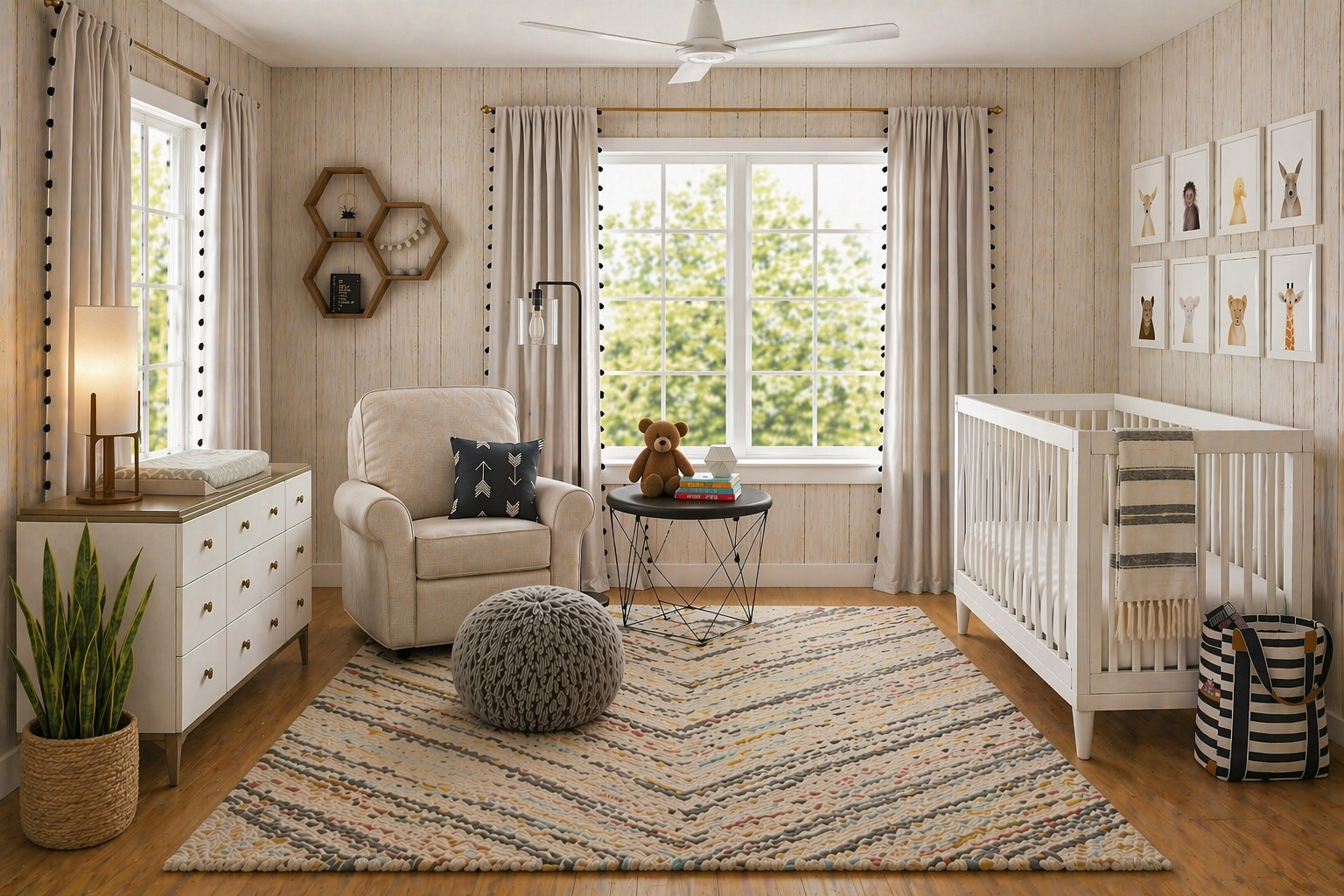
If you’re starting earlier in the process, you can also read my guide on designing a gender-neutral nursery that grows with your child.
That’s why I approach children’s bedrooms differently.
Instead of designing for a single stage, the goal is to create a flexible foundation that can adapt over time. Layout, furniture, and overall style should all support change—whether that means shifting from play-focused to study-focused, or simply updating the room as your child’s personality evolves.
In this guide, I’ll walk through how to design a child’s bedroom that feels thoughtful, functional, and built to last—so you’re not constantly redesigning the space as your child grows.
Start with a Layout That Supports Multiple Stages
When designing a child’s bedroom, it’s easy to focus on how the room will be used right now. But in most cases, that phase doesn’t last very long.
What I pay more attention to is how the room will function a few years from now.
The layout is what makes that possible. If the main pieces are placed thoughtfully from the start, the room doesn’t need to be reworked every time your child grows into a new stage.
For example, I’ll often place the bed in a location that can work long-term, rather than positioning it around a temporary setup. I also like to leave space where a desk or reading area can be added later, even if it’s not needed right away. That way, the room can evolve without feeling cramped or overdesigned early on.
Storage is another part of this. Toy storage eventually turns into something else—books, school supplies, personal items—so I try to avoid anything that only serves one purpose for a short period of time.
The goal here isn’t to predict everything perfectly. It’s to create a layout that gives you options. When that foundation is in place, the rest of the room can shift naturally over time without starting from scratch.
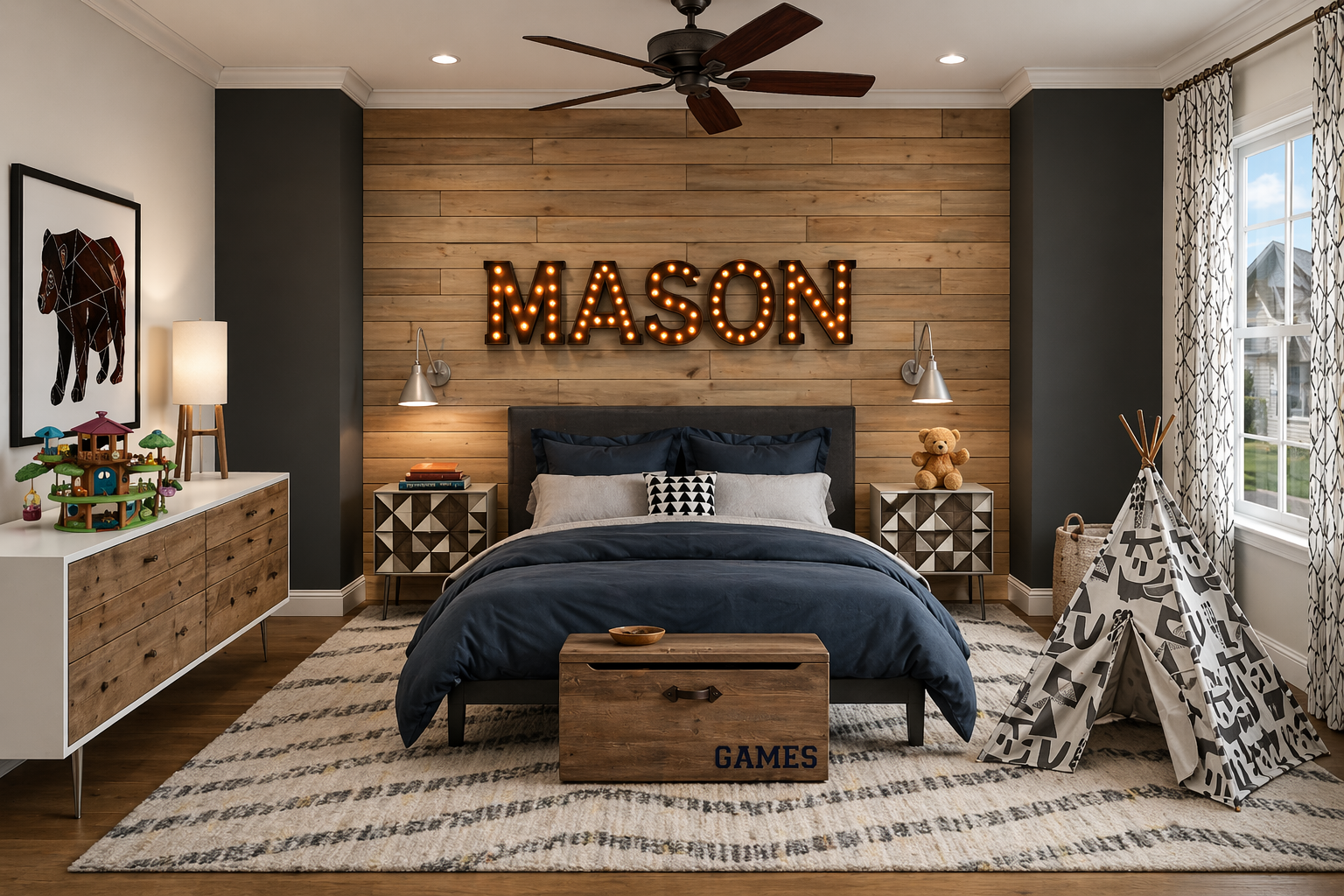
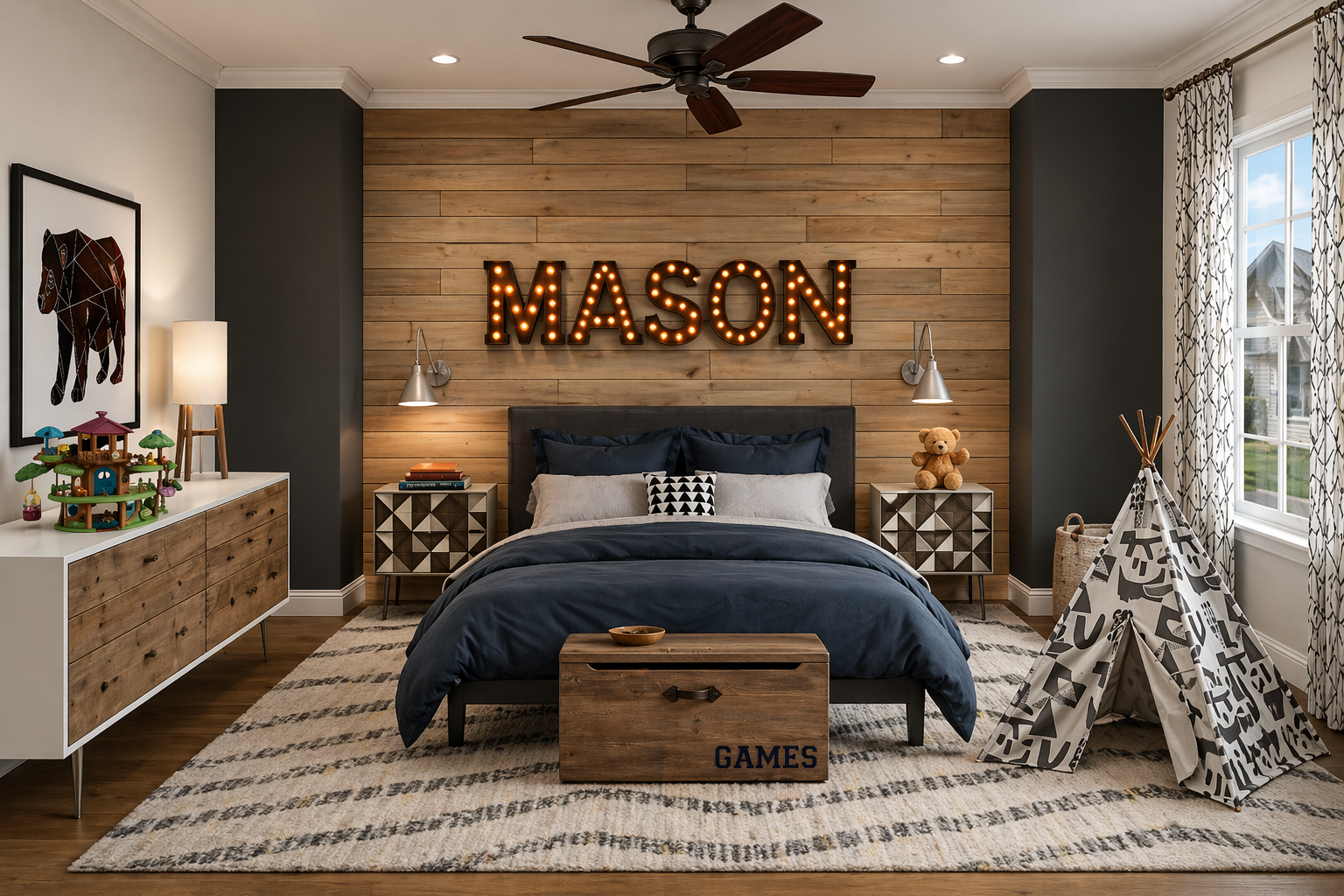
Modern boy bedroom designed by virtual interior designer Joshua Jones of JJones Design Co., featuring a wood accent wall, layered textures, and a layout designed to transition seamlessly into the teen years. This 3D visualization was created using AI based on my original 2D design concept.
Designing a Room That Evolves Over Time (Real Examples)
One of the biggest misconceptions about children’s bedrooms is that they need to be completely redesigned as your child grows. In reality, a well-planned room can evolve over time with just a few thoughtful updates.
The key is knowing what to keep consistent—and what to change.
In both of the examples below, the foundation of the room stays the same. The layout, main furniture pieces, and overall structure are designed to work long-term. What changes are the layers that are easier to update—bedding, accessories, lighting, and smaller decor elements.
From Child’s Room to Teen Boy Bedroom
In this design, the core pieces remain in place as the room transitions into the teen years. The bed, storage, and overall layout are all designed to support long-term use, which eliminates the need for major changes later on.
As the room evolves, the updates focus on refining the look rather than replacing everything. Bedding becomes more mature, styling is simplified, and decorative elements shift to better reflect a teenage space. The result feels completely different—without starting over.
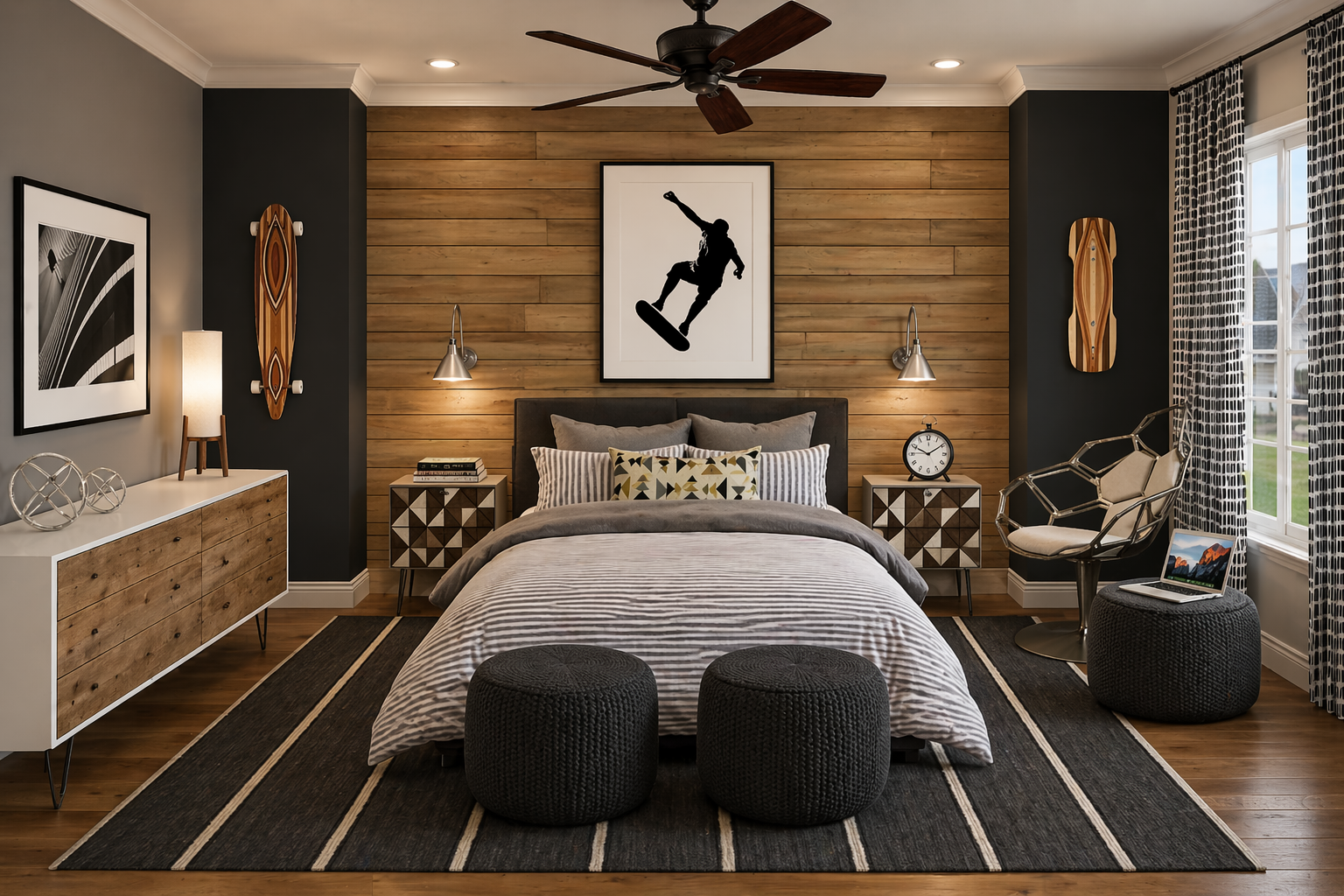
Modern teen boy bedroom designed by virtual interior designer Joshua Jones of JJones Design Co., featuring a refined palette, wood accent wall, and updated styling that builds on the original layout. This 3D visualization was created using AI based on my original 2D design concept.
From Child’s Room to Teen Girl Bedroom
A similar approach is used here, where the foundation of the room is designed to be flexible from the beginning. The furniture layout and key elements remain consistent, allowing the space to transition without major disruption.
As the room matures, the updates focus on softer details—textiles, color accents, and styling choices. These changes shift the overall feel of the space while keeping the original structure intact.
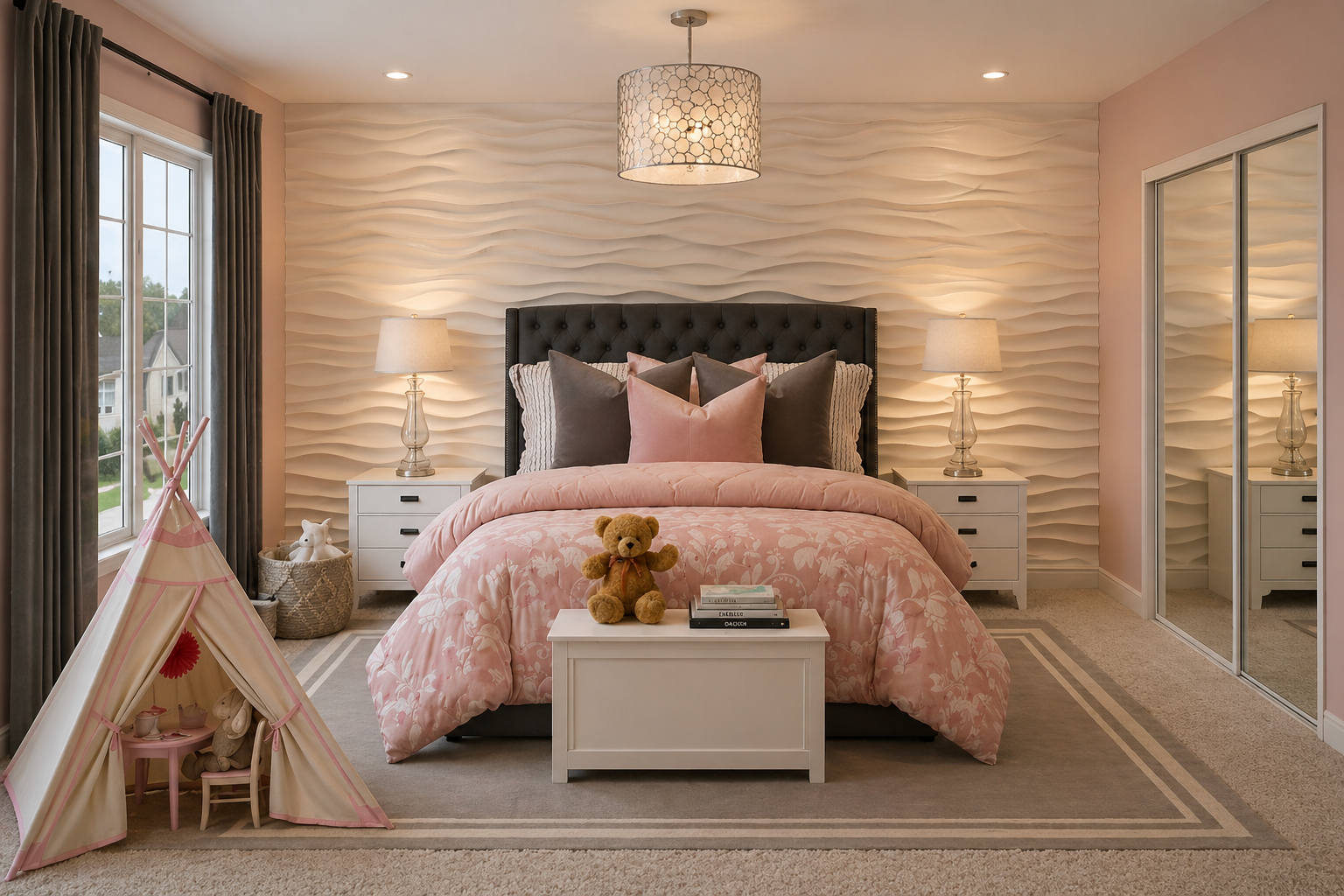
Modern girl bedroom designed by virtual interior designer Joshua Jones of JJones Design Co., featuring soft pink tones, layered textures, and a refined layout designed to transition beautifully over time. This 3D visualization was created using AI based on my original 2D design concept.
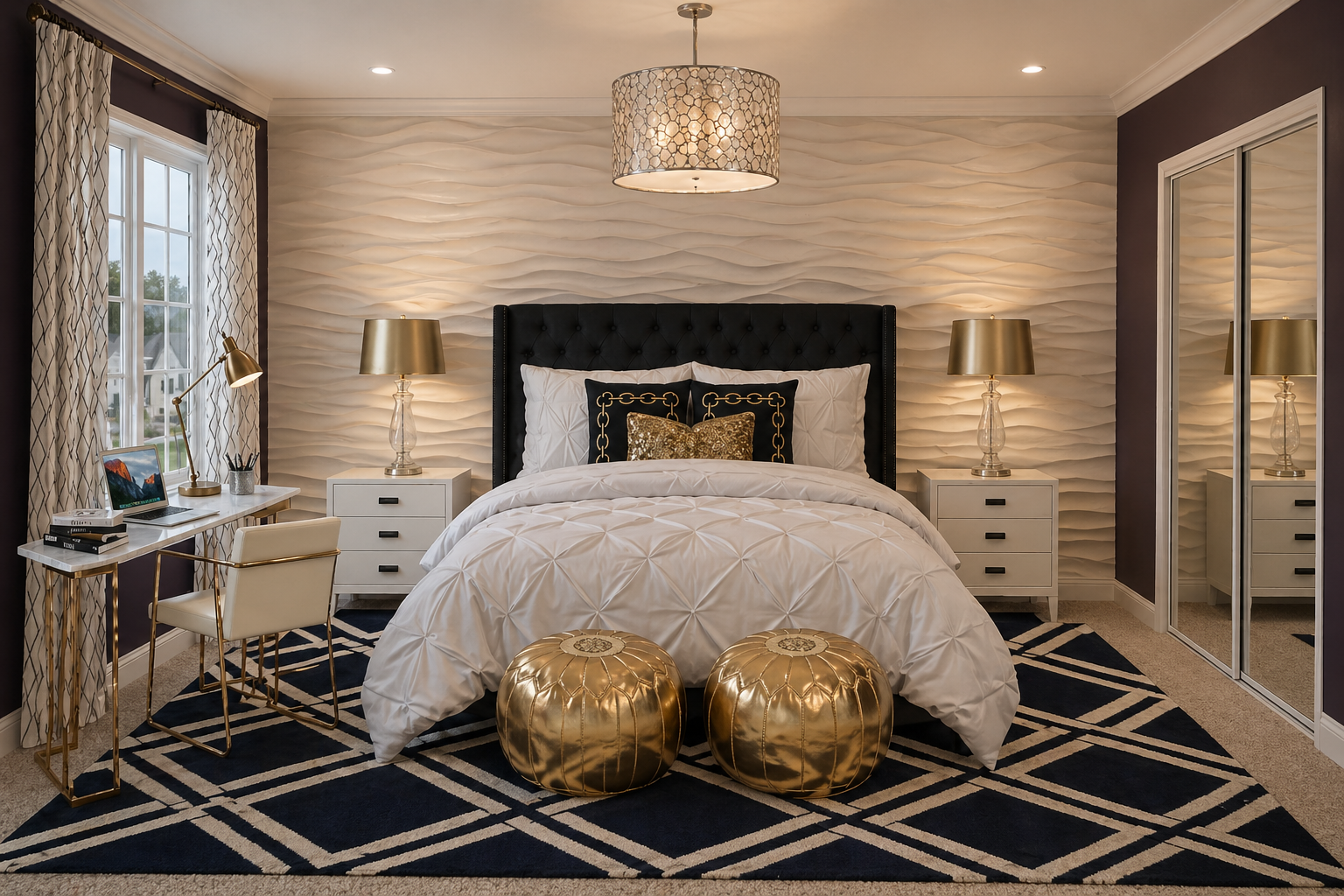
Modern teen girl bedroom designed by virtual interior designer Joshua Jones of JJones Design Co., featuring a sophisticated palette, layered textures, and a refined layout that evolves from the original design. This 3D visualization was created using AI based on my original 2D design concept.
Choose Furniture That Doesn’t Age Out Too Quickly
Once the layout is in place, furniture becomes the next big decision—and it’s also where a lot of people end up overspending or having to replace things too soon.
The key is to avoid pieces that are too specific to one stage.
For example, instead of choosing furniture that only works for a young child, I usually look for pieces that can transition over time. A bed that can grow into a larger size, a dresser that doesn’t feel overly juvenile, or a nightstand that works beyond just holding toys—all of these choices help the room stay relevant as your child gets older.
This doesn’t mean everything has to feel overly mature from the start. The balance is in choosing foundational pieces that are simple and versatile, then layering in more playful or age-specific elements that can be updated later.
I also try to avoid furniture that serves only one purpose for a short period of time. Pieces that can adapt—like storage that shifts from toys to books, or seating that works for both reading and relaxing—tend to last much longer and make the room easier to update.
Another thing to keep in mind is scale. Furniture that is slightly more standard in size, rather than overly small or “kid-specific,” often works better in the long run. It allows the room to grow without feeling like everything needs to be replaced as your child gets older.
The goal isn’t to get everything perfect from the beginning. It’s to make a few smart decisions that reduce how much needs to change later.
Designing a Child’s Bedroom That Actually Lasts
When you step back and look at the full picture, a child’s bedroom isn’t defined by a specific theme or moment in time. It’s shaped by the decisions made early on—how the layout is planned, which furniture is chosen, and how flexible the overall design is from the start.
The rooms that tend to work best over time aren’t the ones that try to capture a single stage perfectly. They’re the ones that allow for change.
As your child grows, their needs, routines, and personal style will naturally shift. A room that’s designed with that in mind doesn’t need to be constantly redesigned—it just needs to be adjusted. Small updates to textiles, decor, and styling can completely change the feel of the space without affecting the foundation. As that transition continues into the teen years and beyond, the next step is refining the space even further. This guide on how to transition a teen bedroom into a young adult space breaks down how to make that shift without starting over.
This approach not only saves time and money, but it also creates a more thoughtful and cohesive environment. The room feels intentional from the beginning and continues to evolve in a way that still makes sense years later.
If you’re planning a child’s bedroom—or any space that needs to adapt over time—taking this kind of long-term approach can make a significant difference. Explore my virtual interior design services here to see how I help clients create spaces that are both functional and built to last.