How to Choose an Outdoor Rug That Actually Works (Designer Tips)
Outdoor rugs seem like a simple finishing touch, but they’re often where things start to go wrong. I’ve seen plenty of outdoor setups that look great at first, only for the rug to wear out quickly, feel out of place, or just not hold up the way people expected.
I was recently asked by CNN Underscored to share my thoughts on choosing outdoor rugs, and it’s something that comes up often in my design work. What works in real life isn’t always what looks good online, especially when you factor in weather, materials, and how the space is actually used.
If you’re planning to invest in your outdoor space, this is one of those decisions worth getting right the first time.
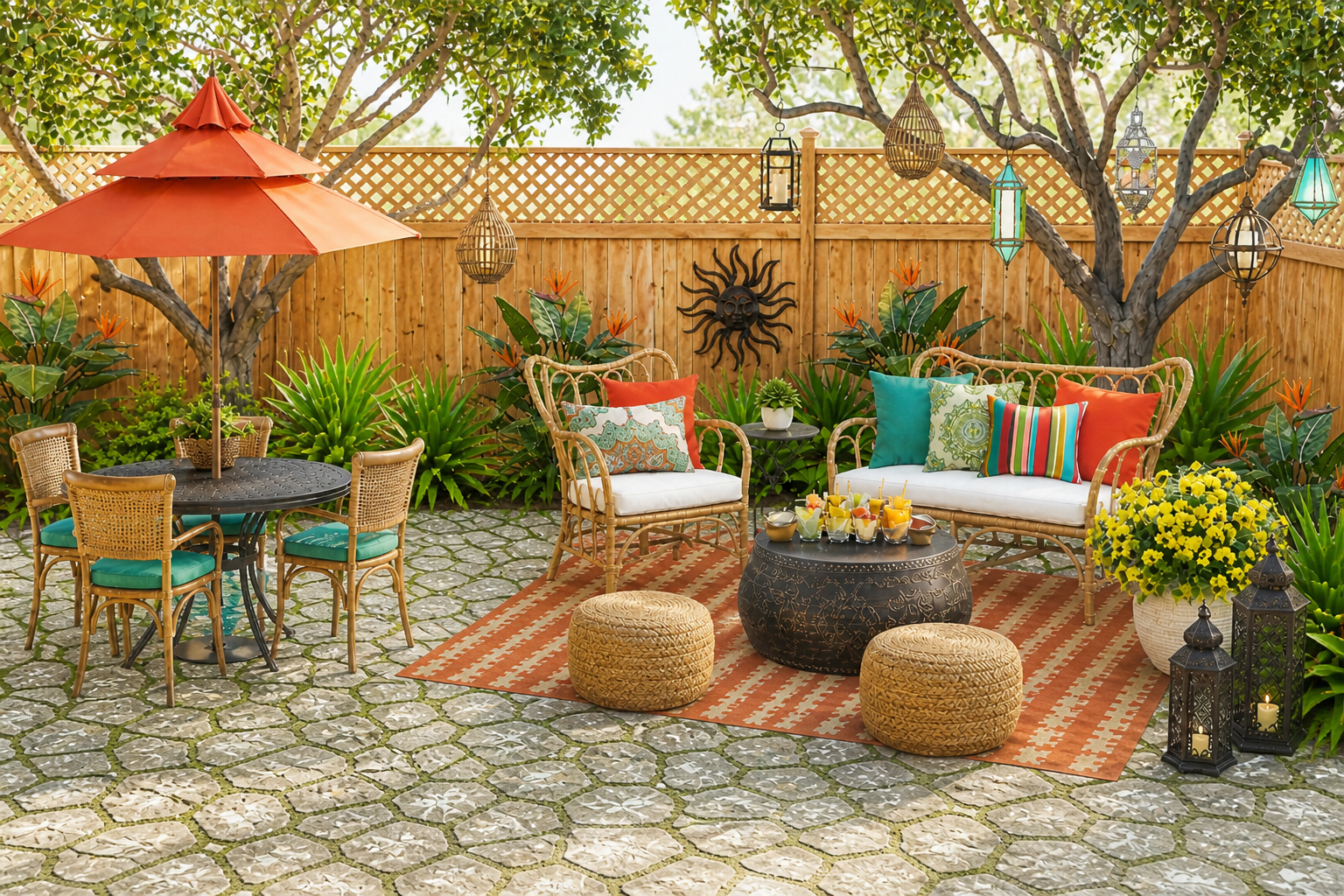
Boho chic style outdoor living space with a patterned outdoor rug anchoring the seating area, designed by virtual interior designer Joshua Jones of JJones Design Co. This image was created using AI to transform an original 2D rendering into a photorealistic 3D rendering for visual illustration purposes.
What Most Outdoor Rugs Get Wrong
One of the biggest mistakes I see is choosing an outdoor rug based on how it looks online rather than how it performs over time. A lot of rugs photograph beautifully, but that doesn’t mean they’re built to handle sun, rain, dirt, or regular use.
Sizing is another common issue. Rugs are often too small, which makes the entire seating area feel disconnected. Instead of anchoring the space, the rug ends up floating and looking like an afterthought.
Material is where things really start to fall apart. Some rugs are labeled “outdoor,” but still don’t hold up well in exposed conditions. They can trap moisture, fade quickly, or start to break down sooner than expected.
There’s also the assumption that outdoor rugs are low-maintenance. In reality, some require more upkeep than people realize, especially in damp or high-traffic areas. If it’s not easy to clean or doesn’t dry properly, it’s not going to last.
Most of these issues come down to one thing: the rug was chosen for appearance first, without thinking through how it will actually function in the space.
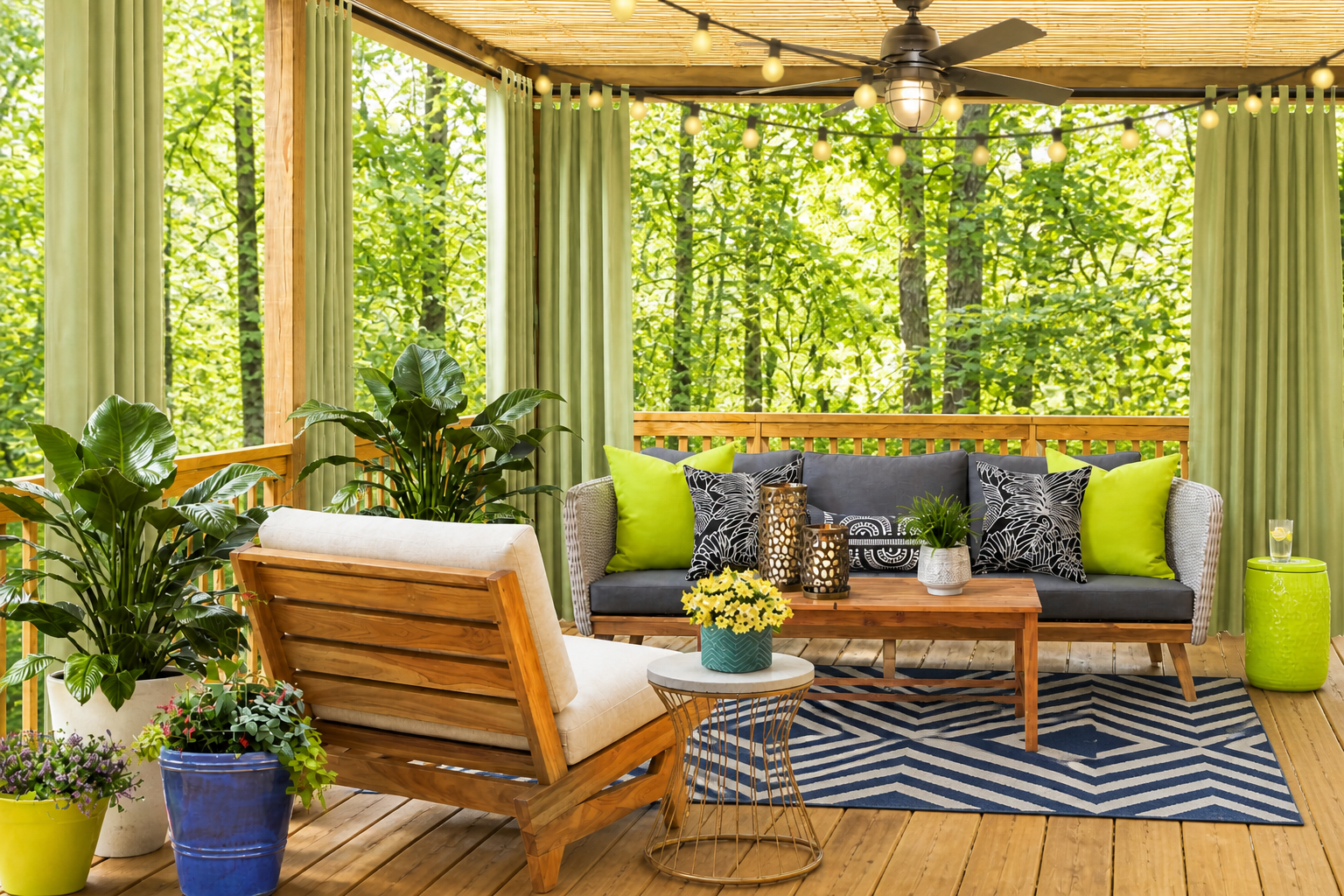
Modern boho style covered outdoor living space with a patterned outdoor rug defining the seating area, designed by virtual interior designer Joshua Jones of JJones Design Co. This image was created using AI to transform an original 2D rendering into a photorealistic 3D rendering for visual illustration purposes.
How to Choose an Outdoor Rug That Actually Works
The first thing I look at is how exposed the space is. A covered patio or balcony gives you more flexibility, but if the rug is going to be fully exposed to the elements, durability becomes the priority. Not every “outdoor” rug is built for that level of wear, so it’s worth being selective.
Next is how the space is actually used. A quiet seating area is very different from a high-traffic zone with pets, kids, or frequent entertaining. The more activity the space gets, the more you need a rug that can handle dirt, spills, and regular cleaning without becoming a hassle.
Maintenance is another factor that’s often overlooked. Some rugs require more effort to keep clean than people expect, especially in damp climates. If it’s not easy to rinse off, dry, or maintain, it’s probably not the right choice for everyday use.
I also think about how the rug supports the overall layout. It should help define the seating area and connect the furniture, not compete with it or feel like an afterthought. When it’s done right, the rug makes the entire space feel more intentional and pulled together.
This is usually the point where clients realize there’s more to it than just picking something that looks good. Taking a little extra time to think through these details upfront makes a big difference in how the space holds up and functions over time.
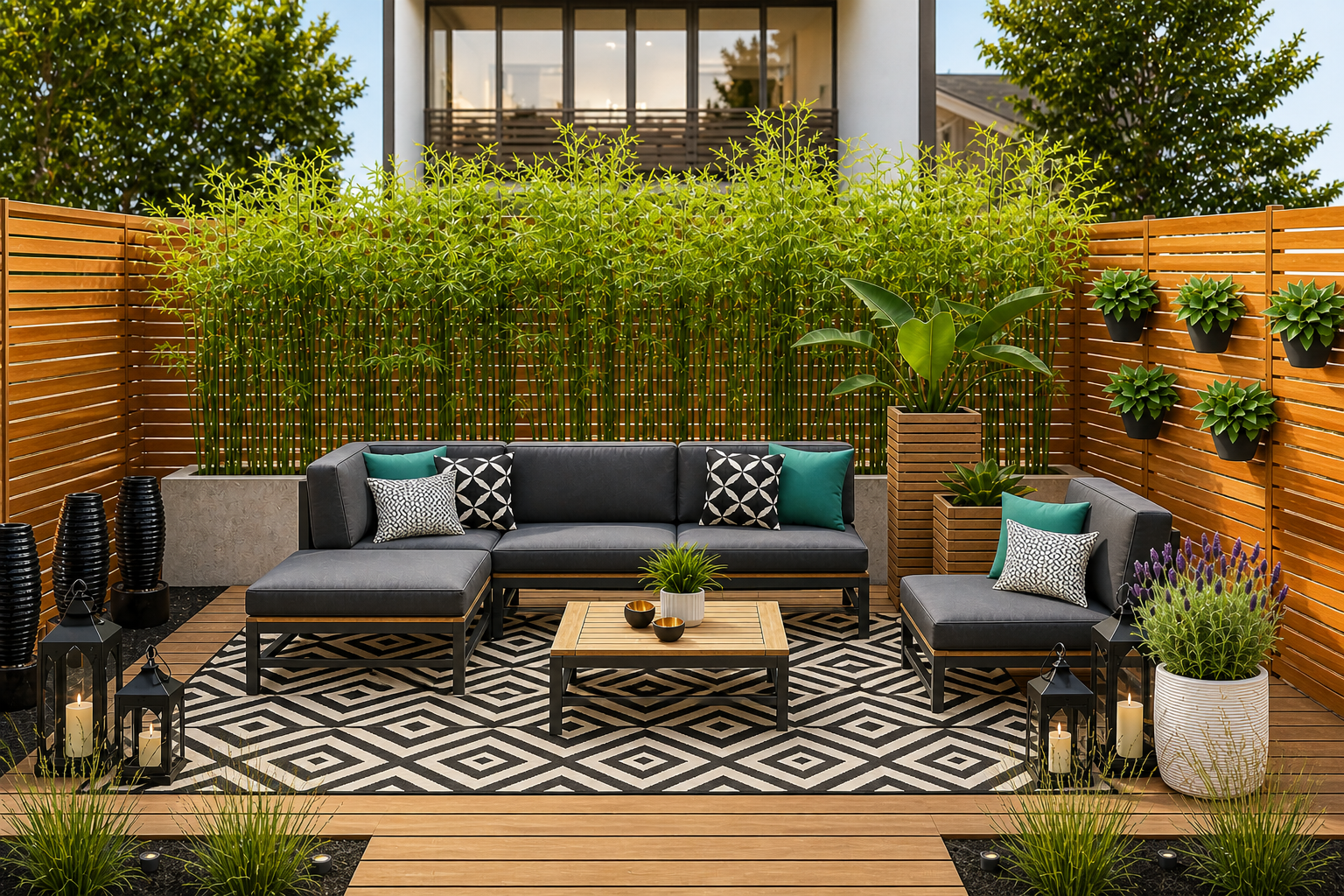
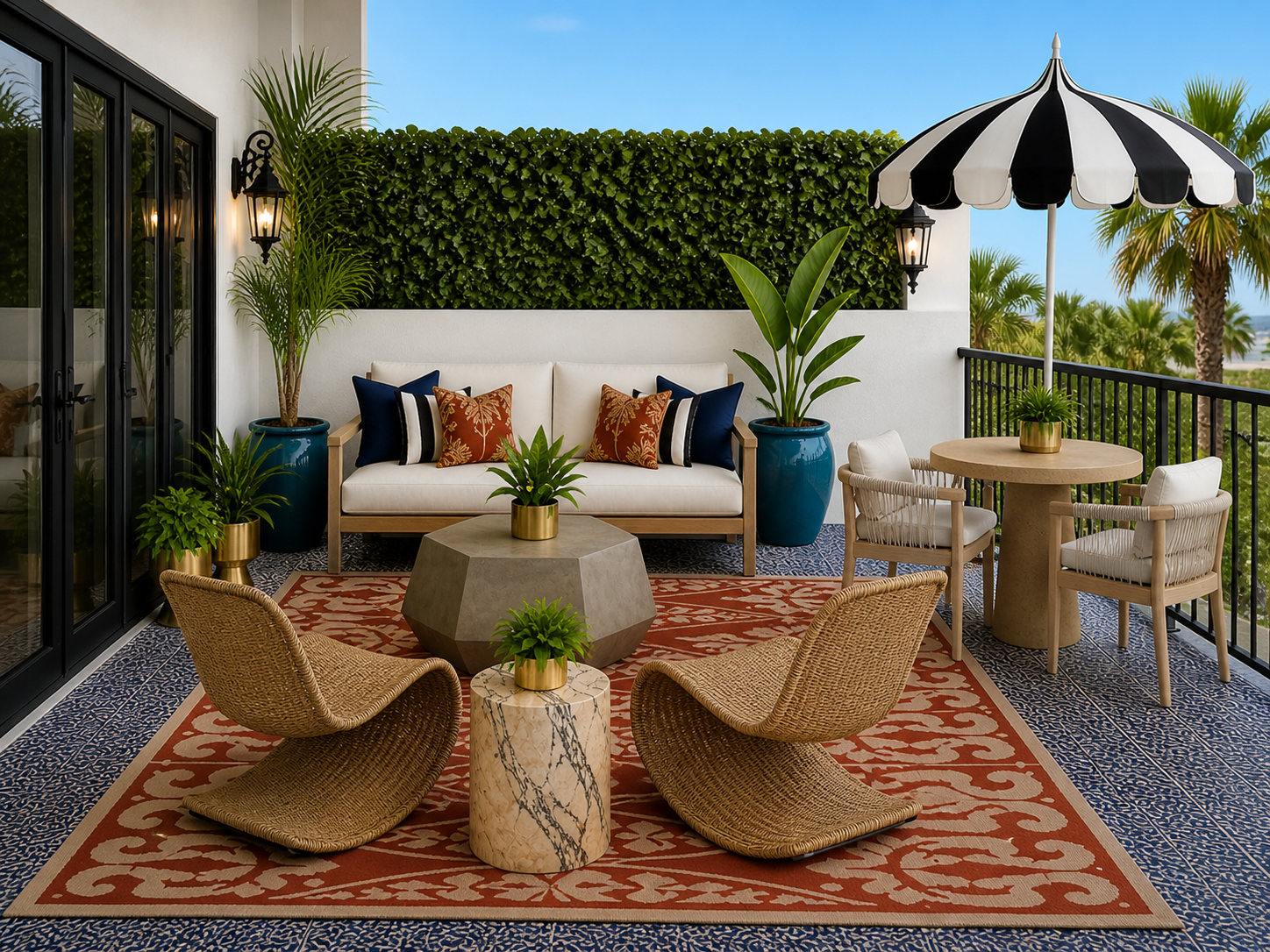
Modern outdoor living space with a geometric patterned rug anchoring the seating area, designed by virtual interior designer Joshua Jones of JJones Design Co. This image was created using AI to transform an original 2D rendering into a photorealistic 3D rendering for visual illustration purposes.
Outdoor Rug Materials That Hold Up Over Time
Material is one of the biggest factors in how well an outdoor rug performs, and it’s where a lot of people get misled. Just because something is labeled “outdoor” doesn’t always mean it’s built to handle real exposure.
Polypropylene is usually the most reliable option. It holds up well against moisture, resists fading, and is easy to clean. For most outdoor spaces—especially anything exposed—this is the material I tend to trust the most.
That said, not every outdoor setup is fully exposed. In covered patios, balconies, or outdoor living areas with a roof overhead, you have a bit more flexibility. These spaces are still open to outdoor air, but they’re protected from direct rain and harsh conditions. In those cases, you can consider softer materials or more textured weaves that wouldn’t hold up as well in fully exposed areas.
Natural fibers like jute or sisal can sometimes work in these covered environments, but they still require more care and aren’t as forgiving over time. I usually treat them as a style choice rather than a practical one.
There are also polyester blends and other synthetics that can work, but the quality varies. Some hold up well, while others fade or wear unevenly. This is where it helps to look beyond appearance and pay attention to how the rug is made.
At the end of the day, the goal is simple: choose a material that fits your level of exposure. Fully exposed spaces need durability first, while covered outdoor areas give you a little more room to prioritize comfort and texture without sacrificing longevity.
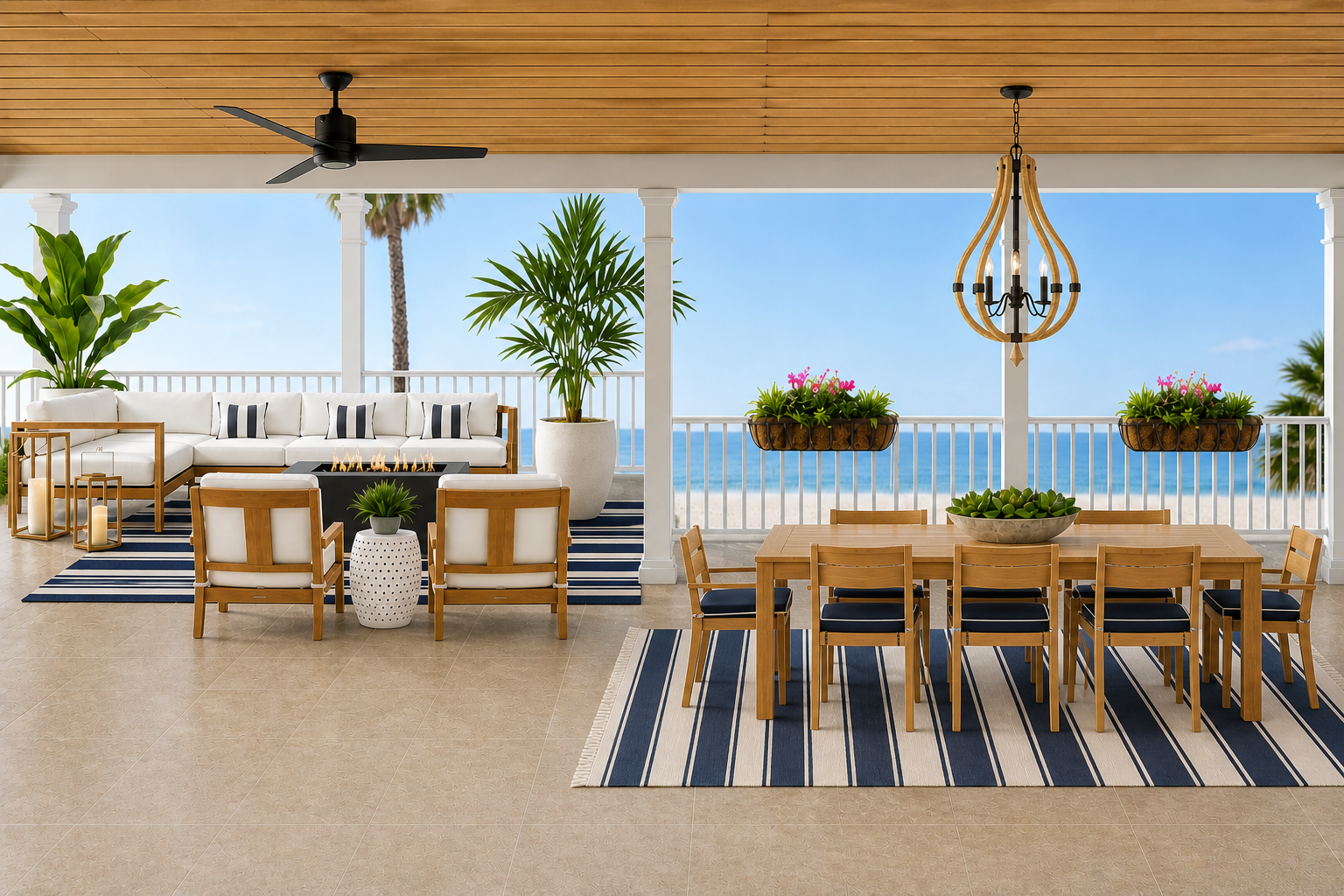
Modern coastal outdoor living and dining space with striped rugs defining each area, designed by virtual interior designer Joshua Jones of JJones Design Co. This image was created using AI to transform an original 2D rendering into a photorealistic 3D rendering for visual illustration purposes.
Choosing the Right Size for Your Outdoor Space
Sizing is one of the most common mistakes I see with outdoor rugs. More often than not, the rug is too small, which makes the entire setup feel disconnected. Instead of anchoring the furniture, it ends up floating in the middle of the space.
A good rule of thumb is that the rug should sit under at least the front legs of your seating. In larger outdoor setups, it’s even better when all the furniture can sit comfortably on the rug. This helps define the area and makes everything feel more intentional.
For dining areas, the rug should extend far enough beyond the table so chairs can be pulled out without catching on the edge. This is one of those details that makes a big difference in how the space functions day to day.
If you’re unsure about proportions, I’ve put together a more detailed guide on rug sizing and layout that walks through how to scale rugs properly with different furniture arrangements.
It’s also important to think about proportion, not just placement. A rug that’s technically “under” the furniture can still feel too small if it doesn’t visually balance the space. When in doubt, going slightly larger usually works better than going too small.
Getting the size right is what turns an outdoor rug from a decorative add-on into something that actually grounds the entire space.
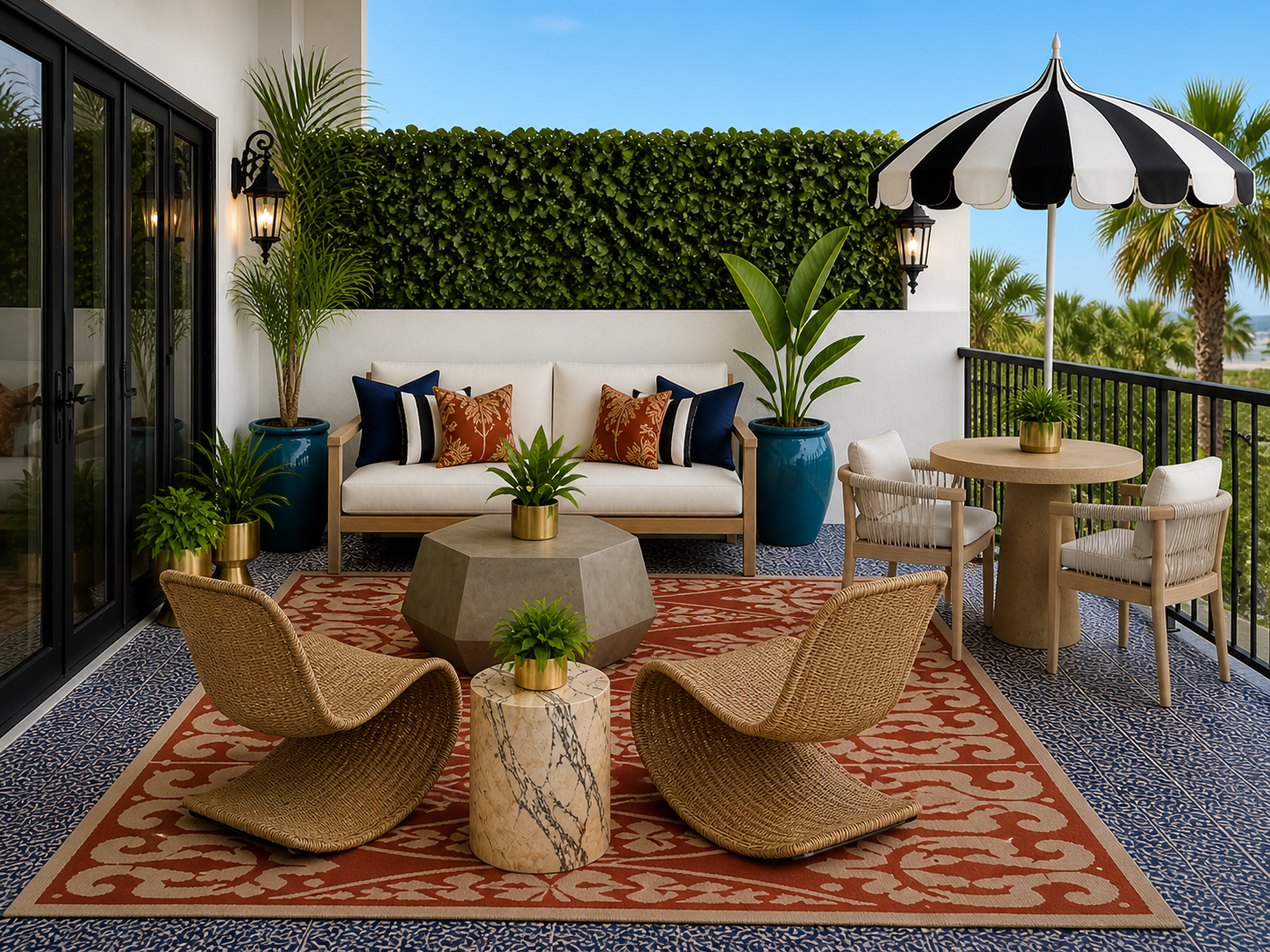
Modern eclectic outdoor balcony with a patterned rug anchoring the lounge area, designed by virtual interior designer Joshua Jones of JJones Design Co. This image was created using AI to transform an original 2D rendering into a photorealistic 3D rendering for visual illustration purposes.
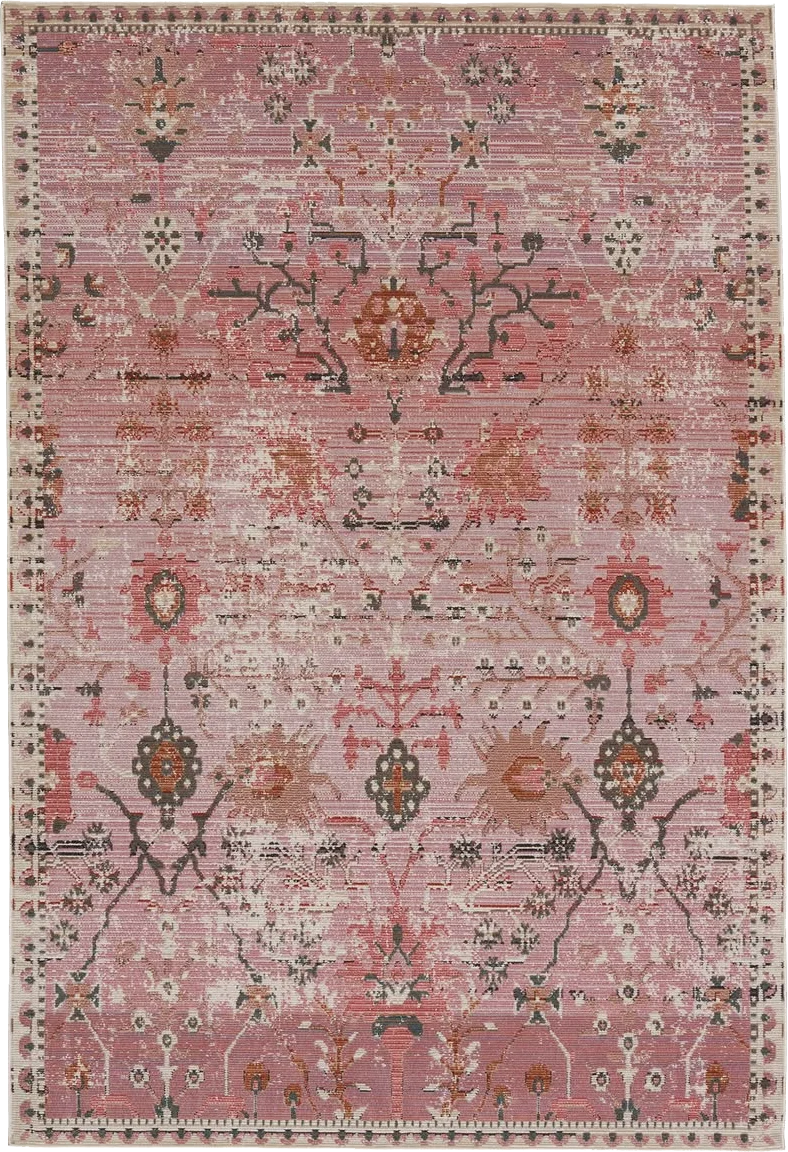
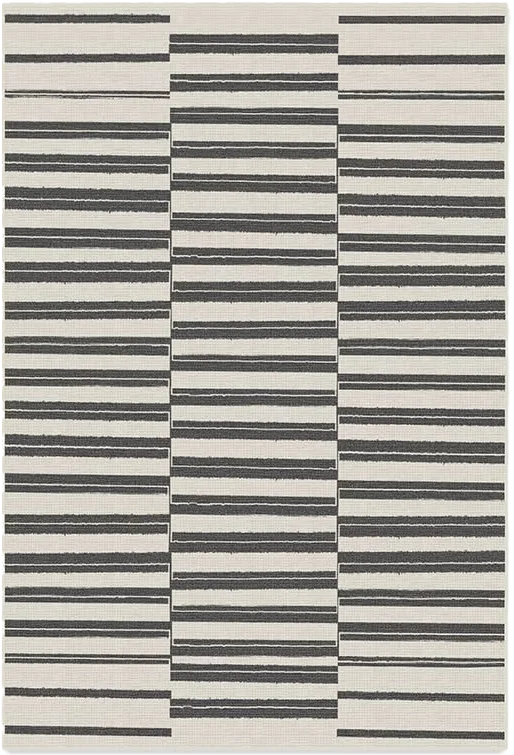
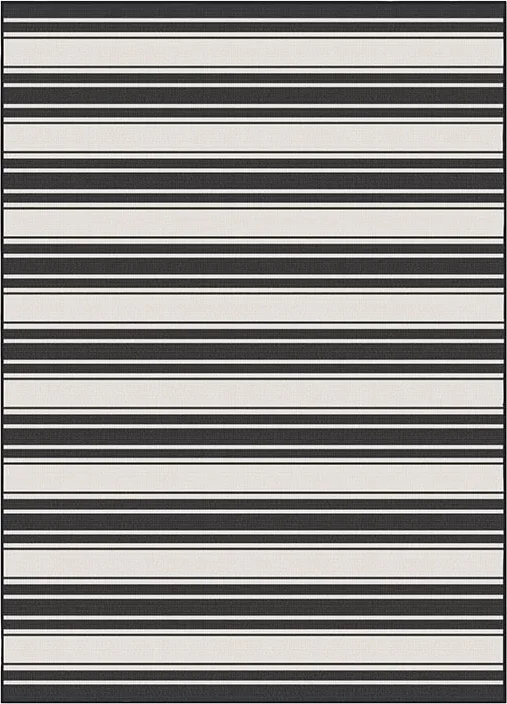
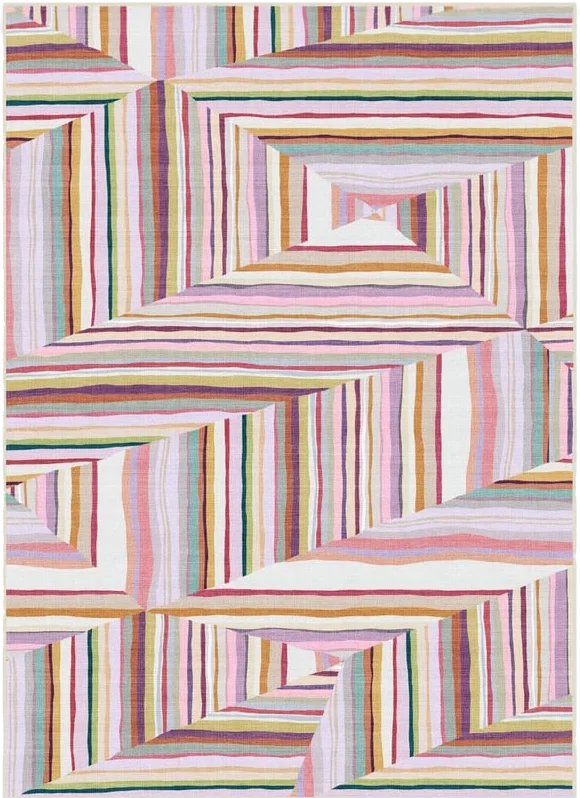
Designer Picks: Outdoor Rugs I’d Actually Recommend
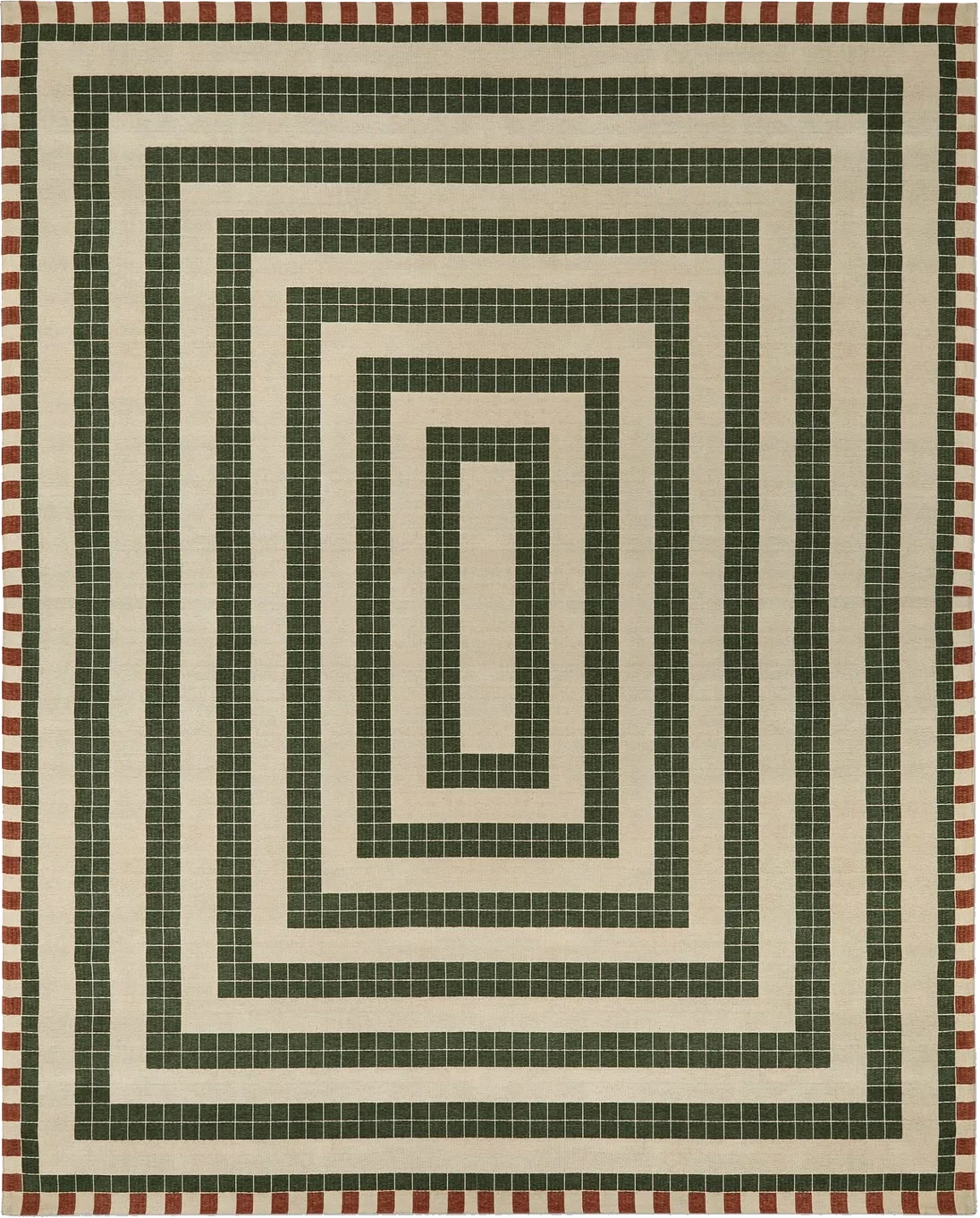
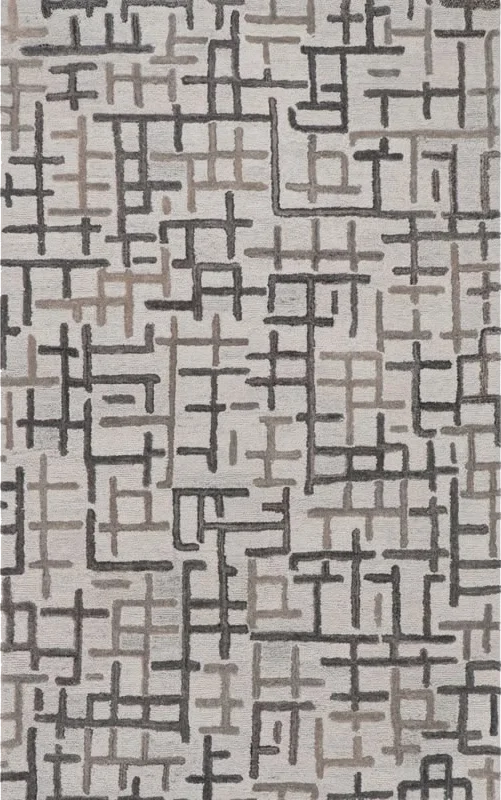
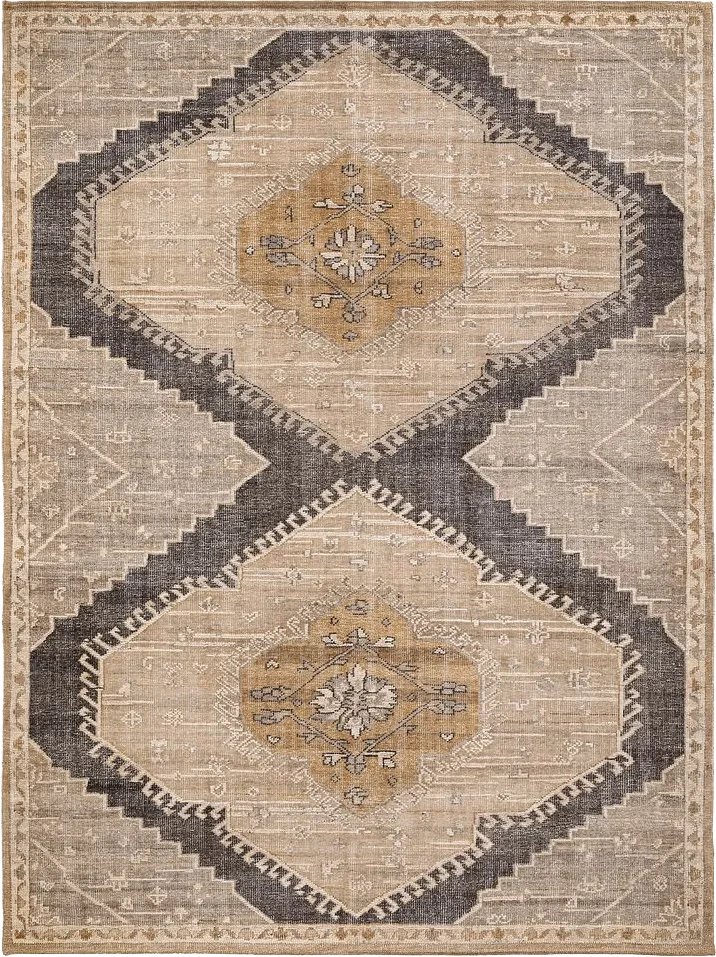
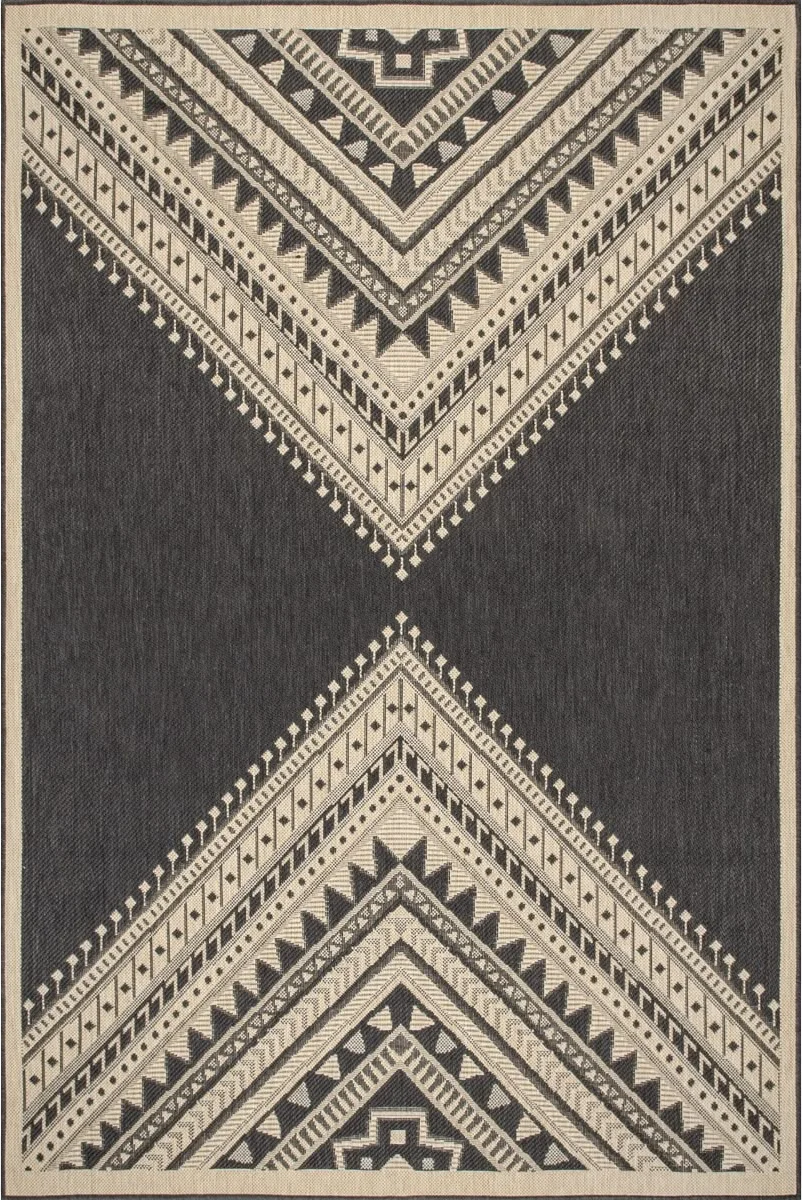
Instead of listing dozens of options, I prefer to narrow it down to a small group of rugs that balance durability, texture, and overall design. These are the types of options I look for when sourcing pieces for outdoor spaces, depending on the layout and level of exposure.
Some of these were also featured in a recent CNN Underscored article I contributed to, along with a few additional options that fit within the same approach.
Shopping List
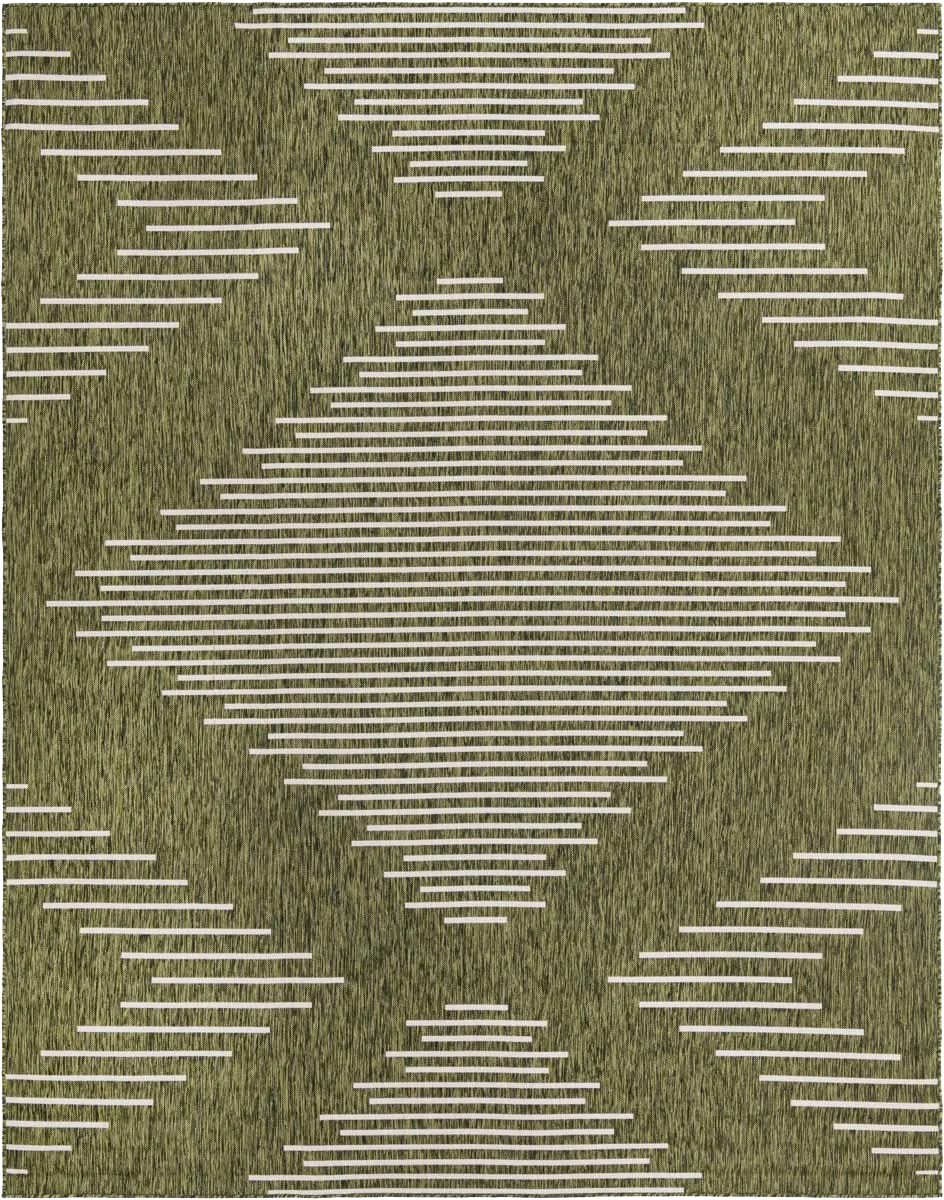
How to Style an Outdoor Rug So It Doesn’t Feel Like an Afterthought
A well-chosen rug can still fall flat if it’s not integrated into the overall layout. This is where styling makes the difference between something that feels placed and something that feels intentional.
Start by making sure the rug is aligned with your furniture, not just centered in the space. It should follow the layout of your seating or dining area so everything feels connected. When the rug and furniture work together, the entire space reads as one cohesive zone.
Layering also helps. Even outdoors, combining different textures—like wood, metal, upholstery, and a rug—adds depth and makes the space feel more finished. Without that contrast, everything can start to feel a bit flat.
Color plays a role as well. A rug can either ground the space with neutral tones or bring in subtle pattern to add interest. The key is making sure it supports the overall palette instead of competing with it.
If you’re still figuring out how everything should come together, this is often where having a clear plan upfront makes things easier. It’s something I work through with clients in my virtual design projects to make sure every element feels cohesive before anything is purchased.
Affiliate Disclosure - This post may contain affiliate links, which means I may earn a small commission if you make a purchase through these links at no additional cost to you. I only share products that align with my design approach and that I would consider for real spaces.