How I Style a Modern Eclectic Home with Natural, Faux, and Dried Elements
Creating a home that feels collected and intentional isn’t about filling every surface—it’s about knowing how to layer the right elements in a way that feels balanced, lived-in, and effortless. In my own home, I tend to rely on a mix of natural, faux, and dried pieces to achieve that look. Each one plays a different role, whether it’s bringing life to a space, adding texture, or simply helping everything feel more grounded.
I’ve found that combining these elements thoughtfully makes a space feel more flexible and realistic to live in. Not every corner needs a high-maintenance plant, and not every surface needs to be styled to perfection. It’s really about finding that middle ground where things feel curated but never overdone.
If you’ve ever wondered whether it’s okay to mix real and faux plants, I shared more thoughts on that in a previous post, which you can read here. This approach has shaped how I style everything from coffee tables to shelves, and it’s something I come back to often when designing spaces that need to feel both beautiful and practical.
Along the way, I’ve also incorporated a few pieces from Bloomist that align with this philosophy—especially when it comes to thoughtfully designed vessels and eco-friendly faux stems. I’ll walk through how I use them throughout this post, along with a few other styling ideas that can be applied to any home.
This mix of natural, faux, and dried elements is something I rely on throughout my home, especially when styling everyday surfaces.
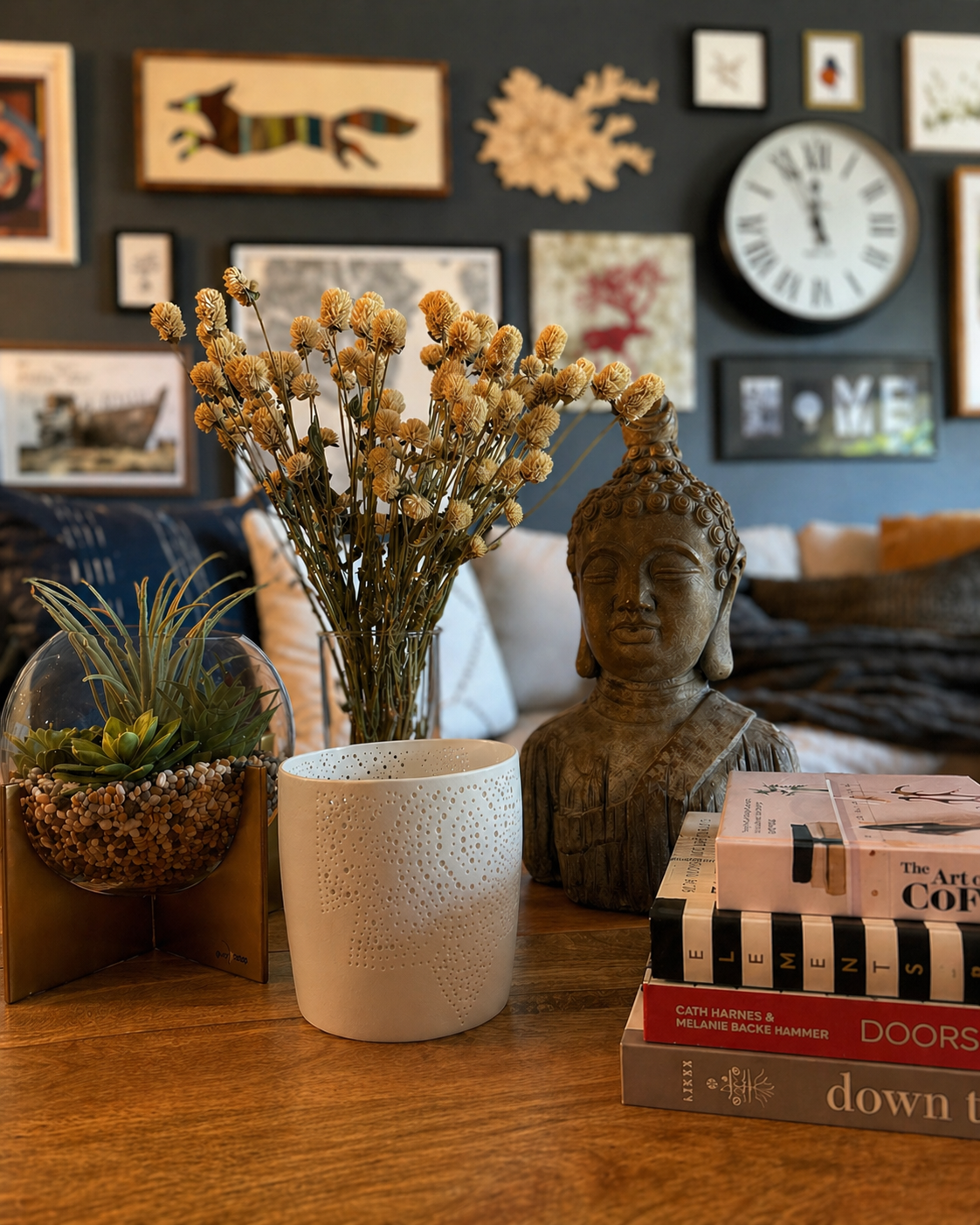
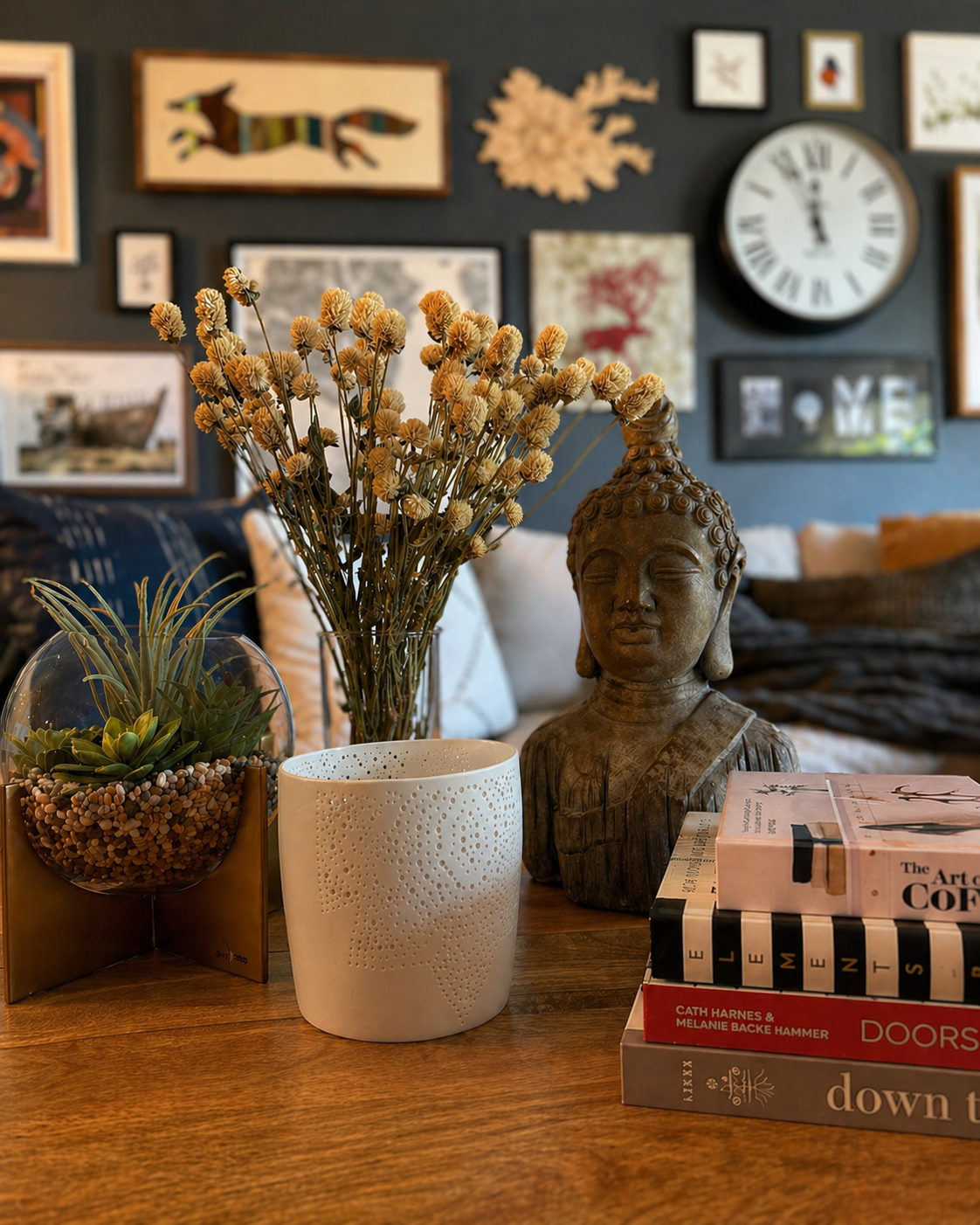
A modern eclectic coffee table vignette layered with dried florals, sculptural accents, and stacked books to create a warm, collected feel.
Real, Faux, and Dried: How I Decide What to Use
One of the questions I get fairly often is whether it’s better to use real plants or faux ones. The truth is, I don’t think it has to be one or the other. I use all three—real, faux, and dried—depending on the space and how I want it to function.
Real plants are hard to beat when it comes to bringing life into a room. There’s a freshness to them that you just can’t fully replicate. But they also come with maintenance, and not every spot in a home is ideal for keeping something alive. Low light, inconsistent schedules, or even just the pace of daily life can make real plants feel more like a responsibility than an addition.
That’s where faux stems come in, and I’ve become more selective about which ones I use. The quality makes a big difference. I tend to gravitate toward pieces that have a softer, more natural tone and a bit of irregularity, rather than anything too glossy or uniform. When they’re done well, they blend in seamlessly and don’t call attention to themselves.
Dried elements are something I rely on just as much, especially when I want to introduce texture without adding visual weight. They hold their shape, require no upkeep, and bring in a quieter, more grounded feel. I find they work particularly well in spaces where I want things to feel calm and not overly styled.
What matters most to me is how these elements work together. Mixing them creates a layered look that feels more natural and less forced. It also makes a space easier to live in and maintain over time, which is something I always think about when designing—not just how it looks in the moment, but how it holds up day to day.
Layering a Surface Without Overstyling
When I’m styling a surface—whether it’s a coffee table, console, or shelf—I’m not trying to fill every inch. I’m thinking more about how a few pieces can work together to create balance without feeling overly arranged.
I usually start with something that grounds the space, like a small stack of books or a tray. That gives everything else a place to sit and helps avoid that “floating” look where objects feel disconnected from each other. From there, I’ll add in one or two elements with a bit of height, like stems or a sculptural object, just to create some variation.
What makes the biggest difference, though, is restraint. It’s easy to keep adding, but that’s usually when things start to feel cluttered. I’d rather leave a little breathing room so each piece has space to stand on its own. That’s what keeps it feeling relaxed instead of overly styled.
I also like to mix materials so everything doesn’t feel too uniform. Something organic paired with something more structured tends to create a more interesting balance. It doesn’t have to be complicated—just a few thoughtful combinations can go a long way.
At the end of the day, I’m not aiming for perfection. I want it to feel like a space that’s actually lived in, where things can shift slightly over time and still look intentional.
Using Dried Elements for Texture and Warmth
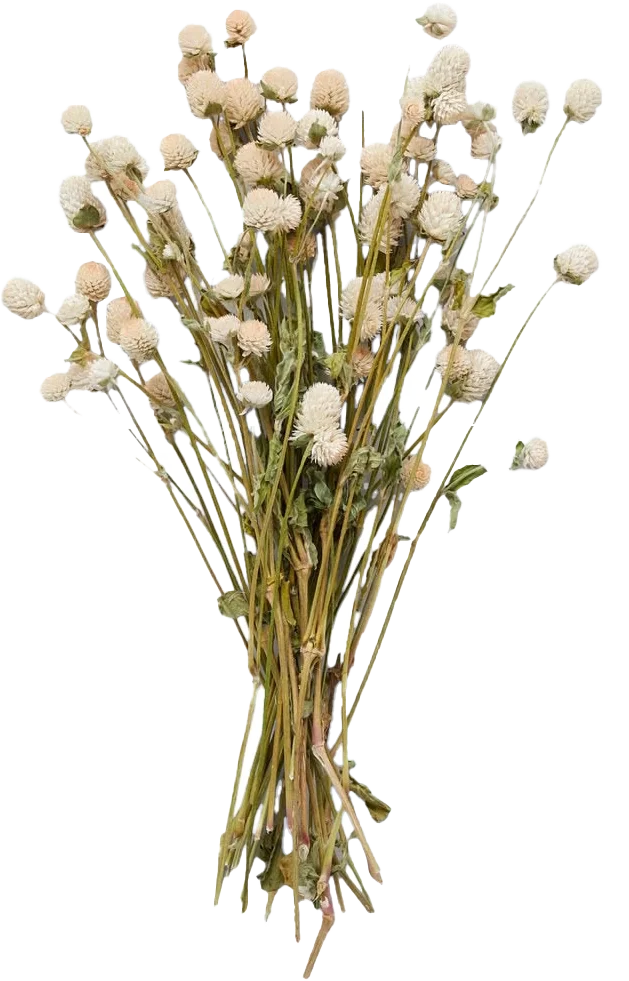
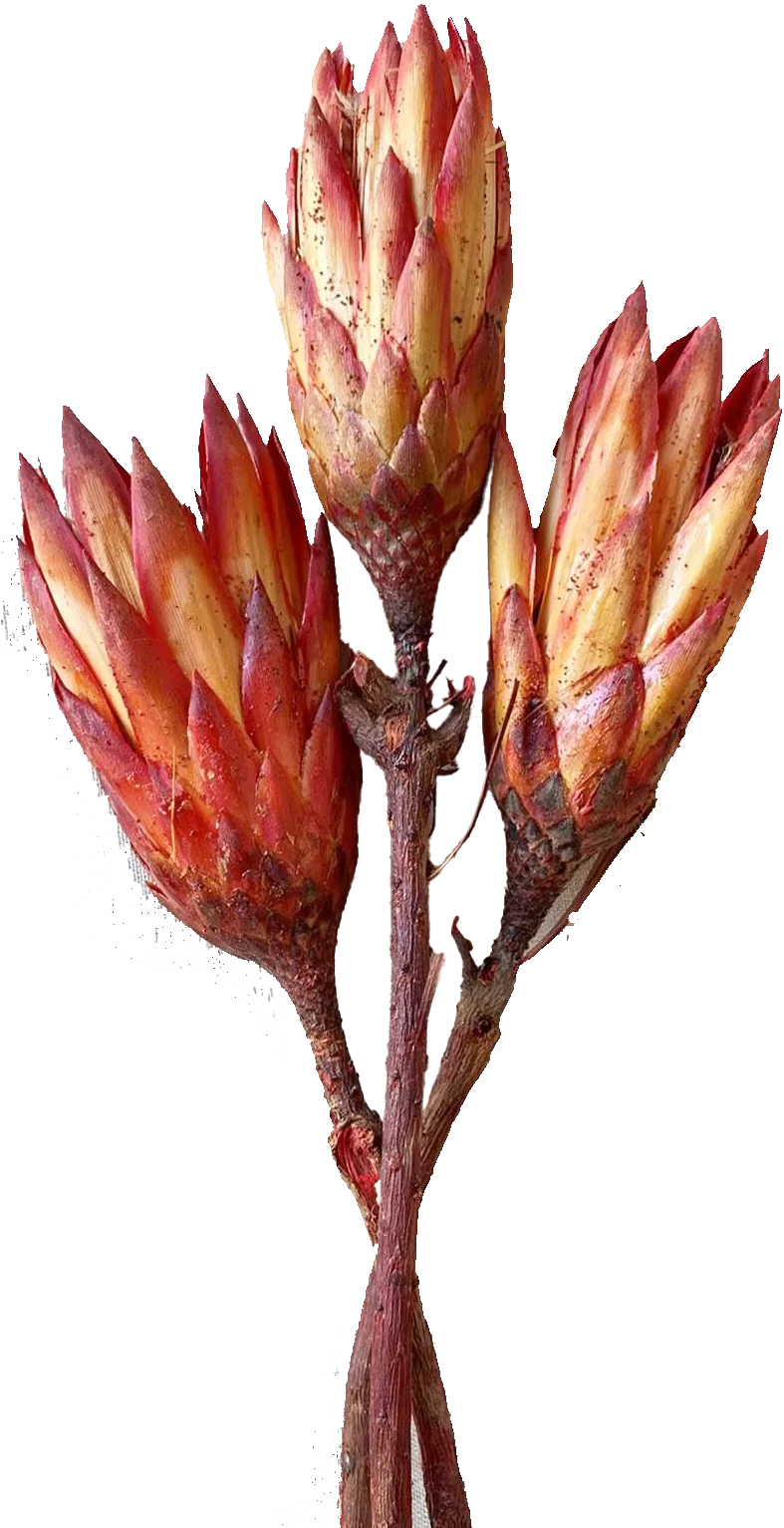
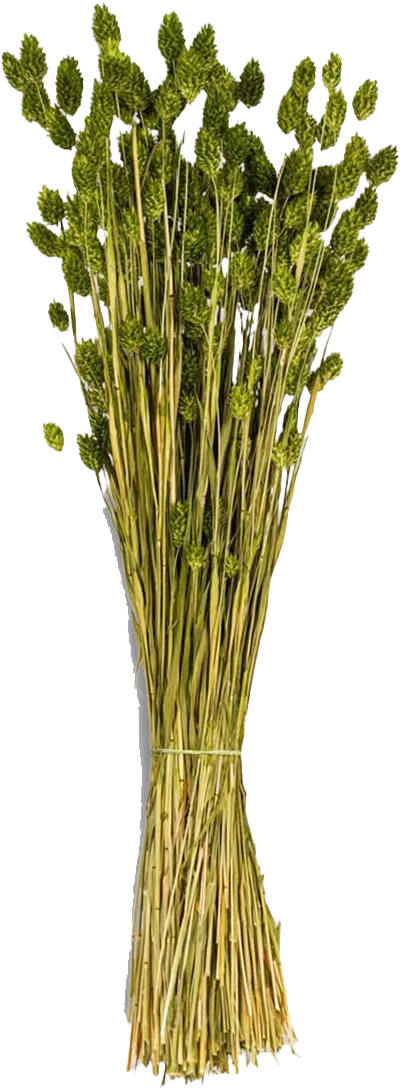
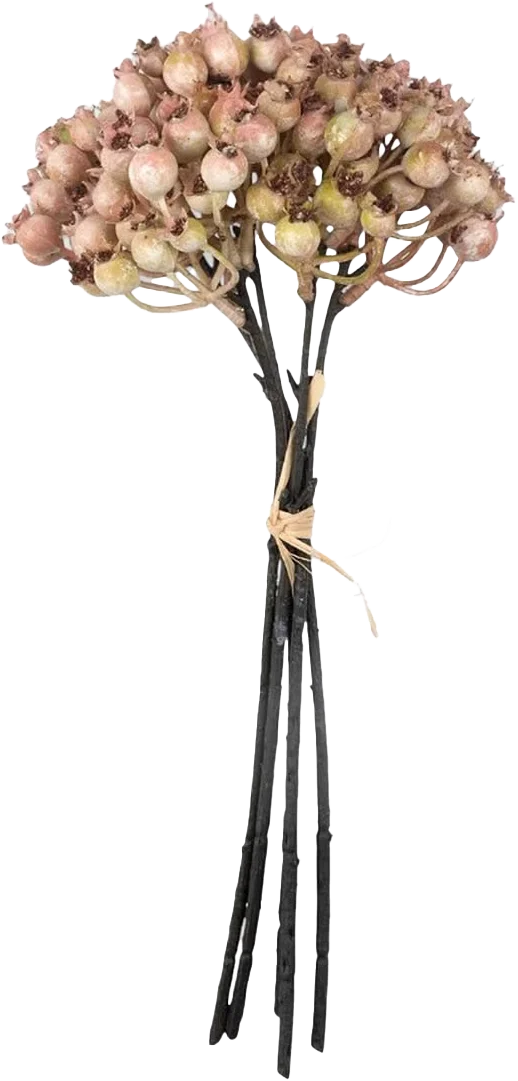
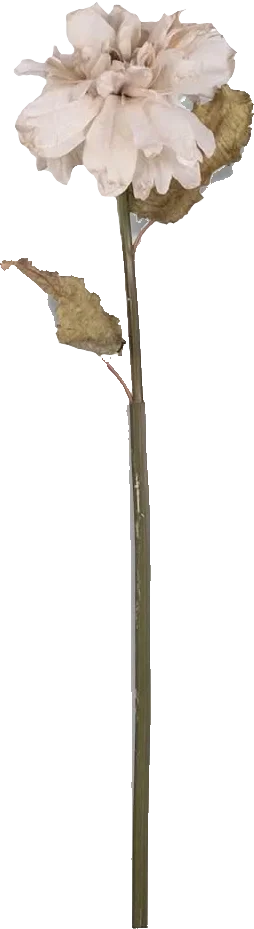
Dried elements are something I come back to often, especially when I want a space to feel a little more grounded without adding visual heaviness. They bring in texture in a quieter way, and they tend to hold their shape over time, which makes them easy to live with.
I like using them in areas where I don’t want to worry about upkeep or where fresh greenery wouldn’t last very long. They’re also helpful when a space already has a lot going on and just needs something subtle to soften it rather than another bold focal point.
Another thing I appreciate about dried pieces is how they age. Instead of fading into the background, they develop a slightly more muted, lived-in look, which often works in their favor. It adds to that collected feel rather than making things look too new or overly styled.
When I’m working them into a space, I keep the arrangement simple. A few stems with some variation in height and direction usually feel more natural than trying to make everything perfectly even. Letting them sit a little imperfectly tends to look better in the long run.
If you’re trying to bring in texture without adding maintenance, dried elements are one of the easiest ways to do it. They’re flexible, low effort, and work well with a wide range of styles, especially when you’re aiming for something that feels calm and not overly designed.
Shop Dried Elements I Love
A modern eclectic vignette layered with natural textures, collected objects, and soft greenery to create a balanced, lived-in feel.
Faux Plants for Flexibility and Balance
Faux plants have come a long way, but I still think they only work when they’re used thoughtfully. I don’t treat them as a replacement for real plants—I use them where they make the most sense.
There are always a few spots in a home where keeping something alive just isn’t realistic. It might be a low-light corner, a shelf that’s hard to reach, or simply an area where I don’t want to think about maintenance. That’s usually where faux stems come in. They give you that same vertical movement and softness without adding another task to keep up with.
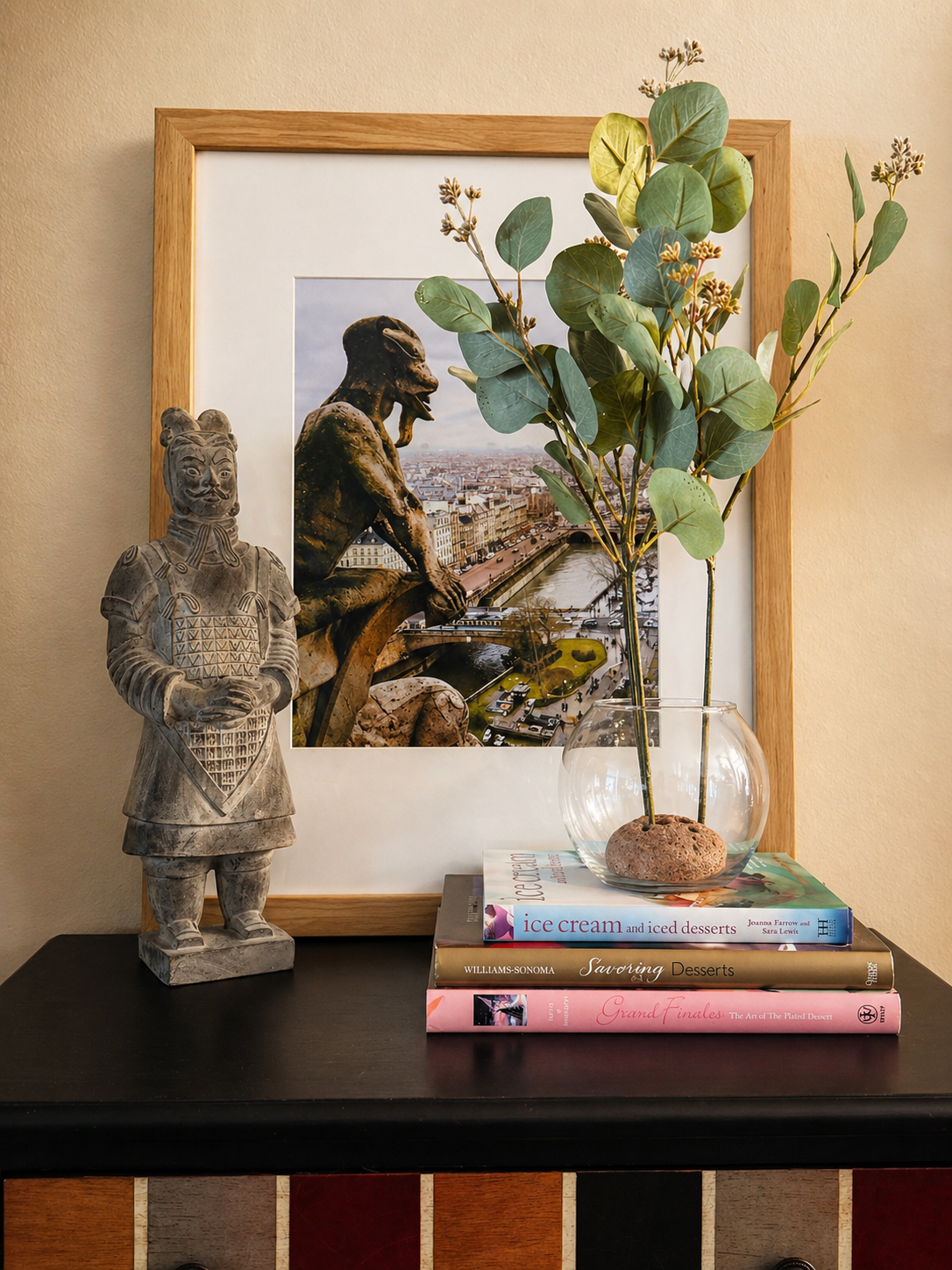
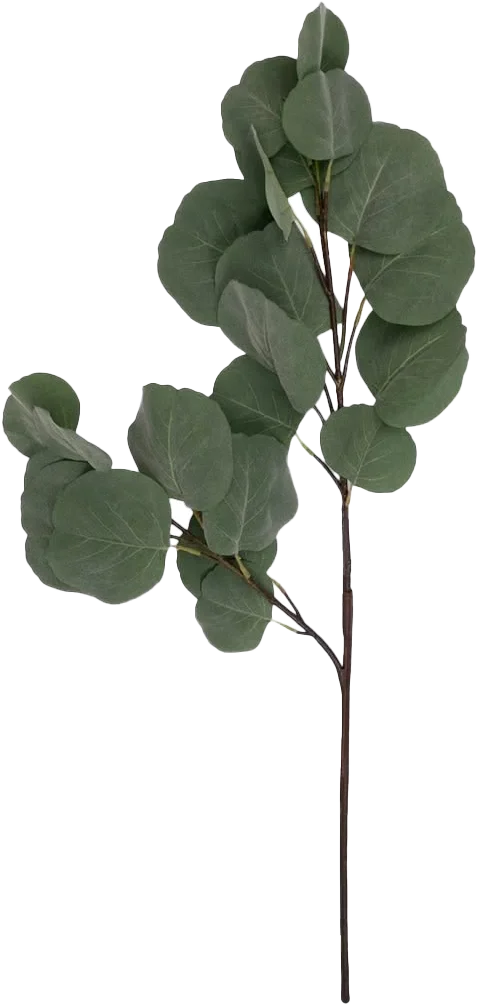
What I pay the most attention to is how natural they feel. I tend to avoid anything that looks too perfect or overly saturated in color. The pieces I gravitate toward have more variation in tone and a slightly irregular shape, which helps them blend in with everything else instead of standing out for the wrong reasons. The faux eucalyptus I’ve been using has that softer, muted quality, so it layers in easily without competing with other elements.
I also like to mix faux with real or dried pieces when I can. That combination keeps things from feeling too consistent or artificial. It creates a more relaxed look, where nothing feels overly styled or too deliberate.
Used in the right way, faux plants can make a space feel complete without adding pressure to maintain it. They’re not meant to fool anyone—they’re just there to support the overall look and make the space easier to live in.
Shop Faux Plants I Love
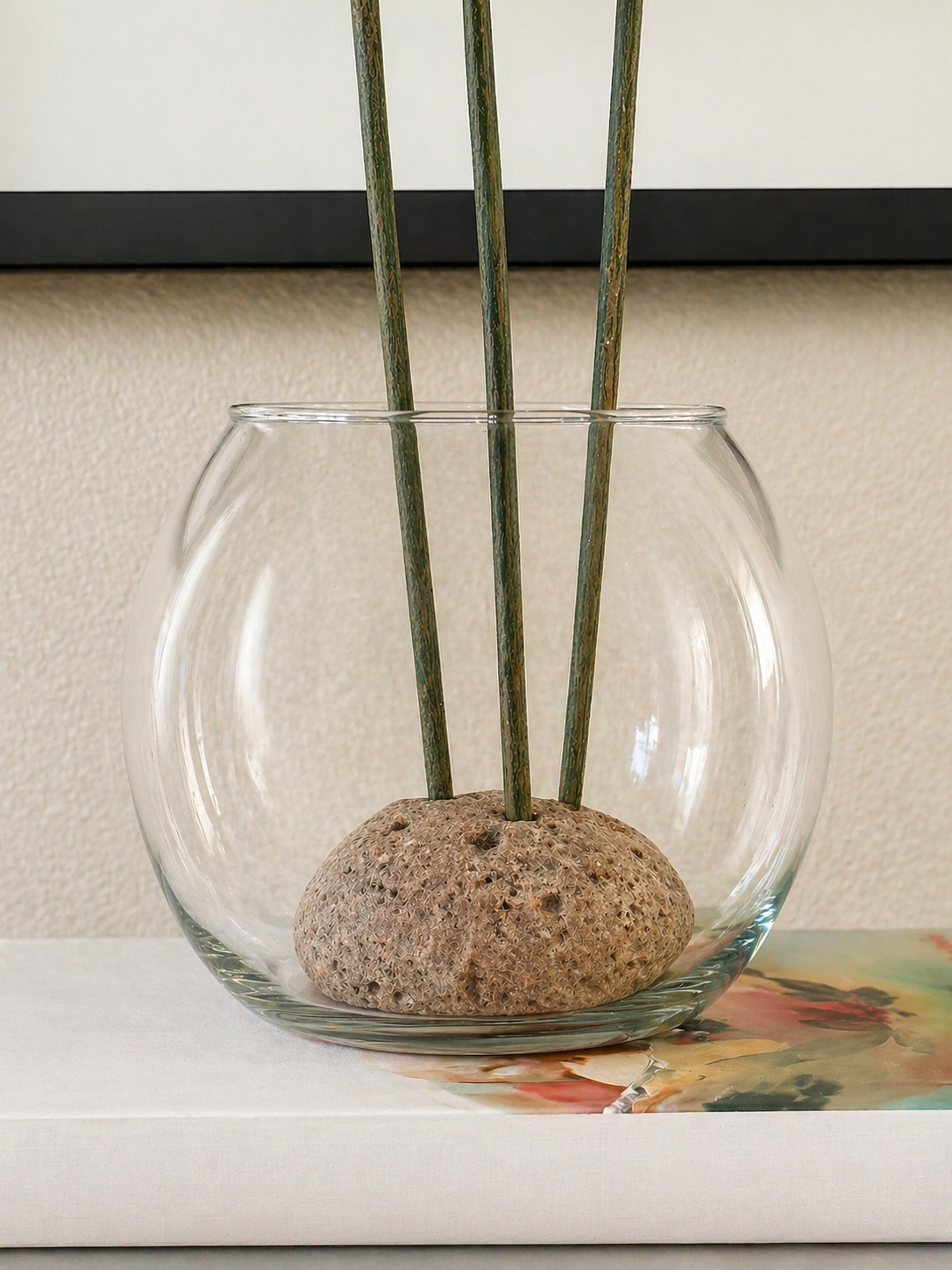
A simple, sculptural moment featuring a glass vase with a natural stone base—an example of how subtle textures can ground a space without adding visual clutter.
Vessels That Make Styling Easier (Not Harder)
One thing that doesn’t get talked about enough is how much the vessel itself affects the way an arrangement looks. Most people focus on the stems, but if the base isn’t working, it’s hard to get anything to feel balanced.
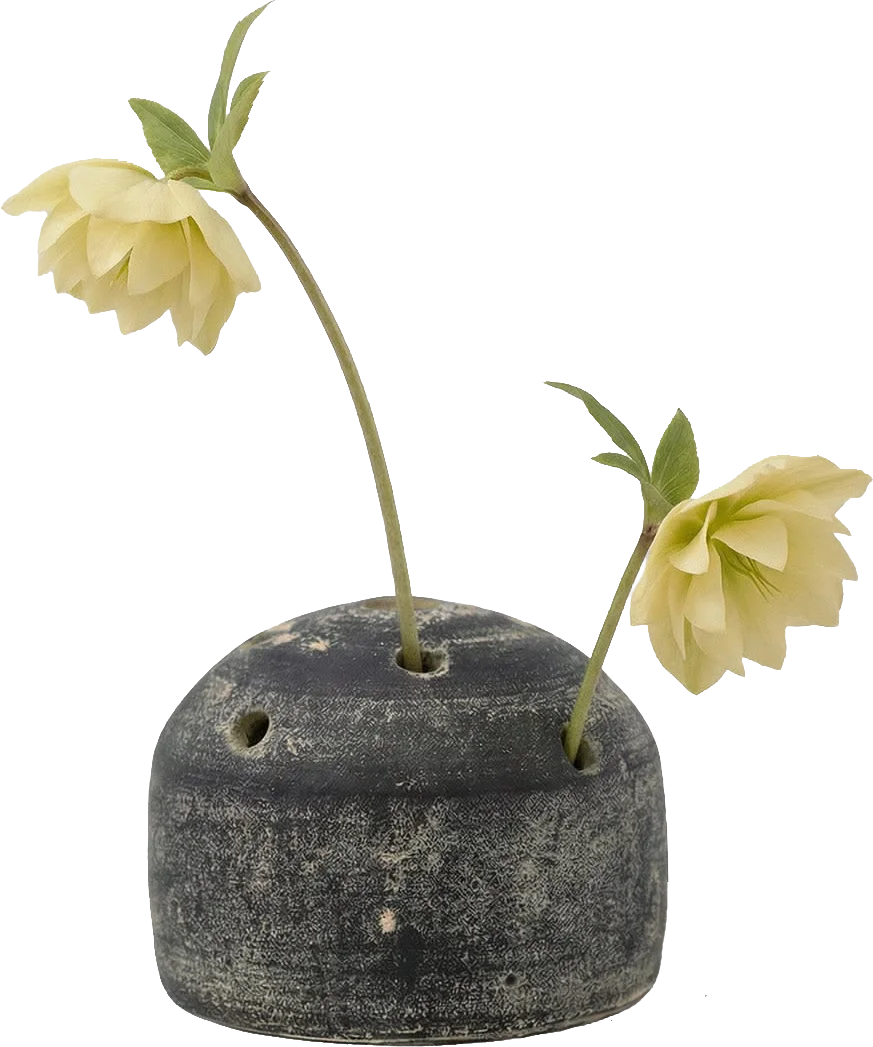
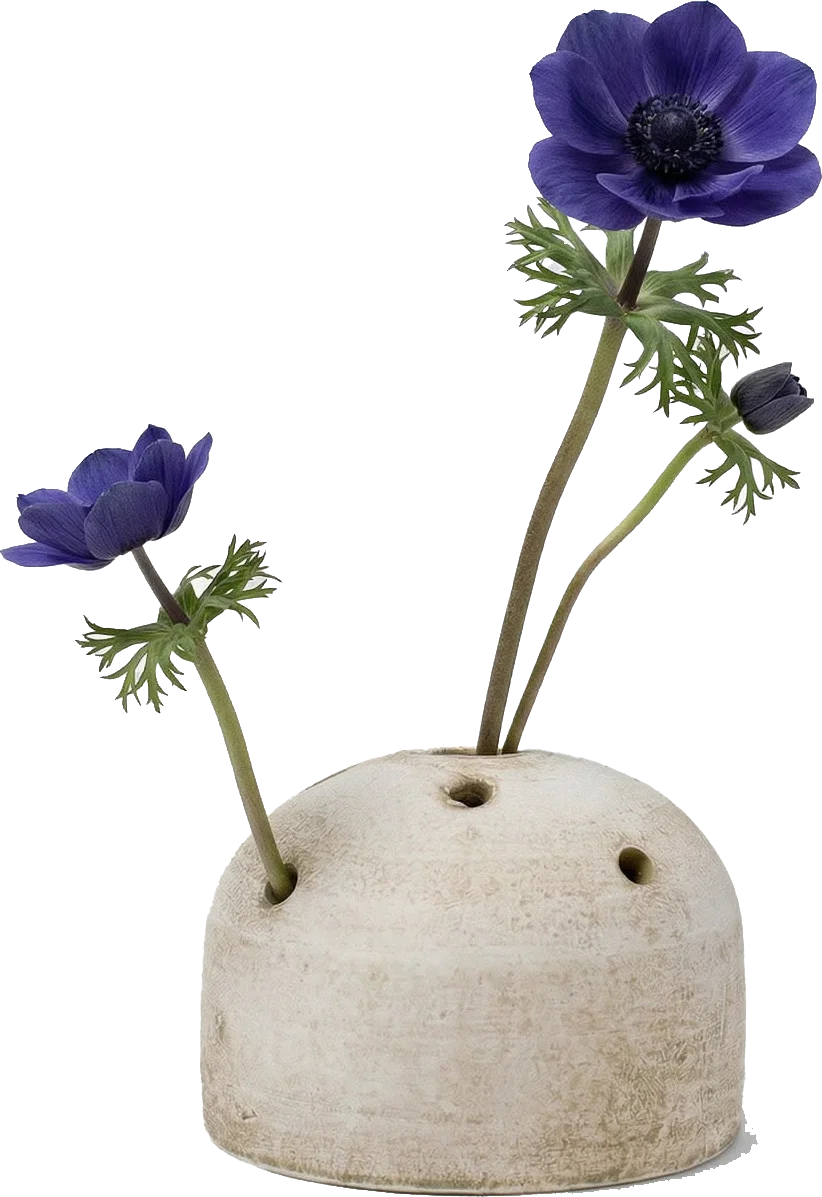
I’ve found that pieces designed with a bit more structure make a noticeable difference. Instead of constantly adjusting stems and trying to get them to sit just right, the vessel does some of the work for you. It gives everything a place, which makes the overall arrangement feel more intentional without needing to overthink it.
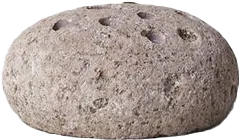
That’s something I’ve really appreciated with a few of the Bloomist pieces I’ve been using. The round stone frog and the terra cotta frog vase both have openings that help guide where each stem sits. It sounds like a small detail, but it changes the entire process. You’re not fighting to get things to stay in place—it just naturally falls into a more balanced composition.
I tend to keep the arrangements simple and let the structure do the work. A few stems placed with some variation in height and direction usually feels more natural than trying to make everything perfectly symmetrical. It also keeps the focus on the overall shape rather than any one element.
When the vessel is doing its job, styling becomes a lot more straightforward. It takes away that trial-and-error feeling and makes it easier to create something that looks effortless but still intentional.
Shop Vessels I Love
Beyond Botanicals: Building a More Collected Look
While I tend to rely on natural, faux, and dried elements to bring life into a space, I don’t think they should carry everything on their own. What really makes a home feel layered is how those pieces interact with everything around them.
I usually think of botanicals as one part of a larger mix. Textiles, small objects, and even furniture all play a role in how a space comes together. A simple pillow or throw can soften the look, while a candleholder or a small decorative piece can add just enough contrast to keep things from feeling too uniform.
What I appreciate is when these pieces feel consistent in tone and material, even if they’re different in function. That’s what creates a sense of cohesion without making everything look overly matched. It’s less about finding exact sets and more about building a collection over time that works well together.
I’ve found that when I step back and look at a space as a whole, the botanicals tend to feel more intentional when they’re supported by other elements. It keeps them from looking like an afterthought and instead makes them part of a complete, balanced composition.
At the end of the day, it’s not about focusing on one category—it’s about how everything connects. That’s what turns a styled surface into something that feels personal and lived-in.
Shop Decor Beyond Botanicals
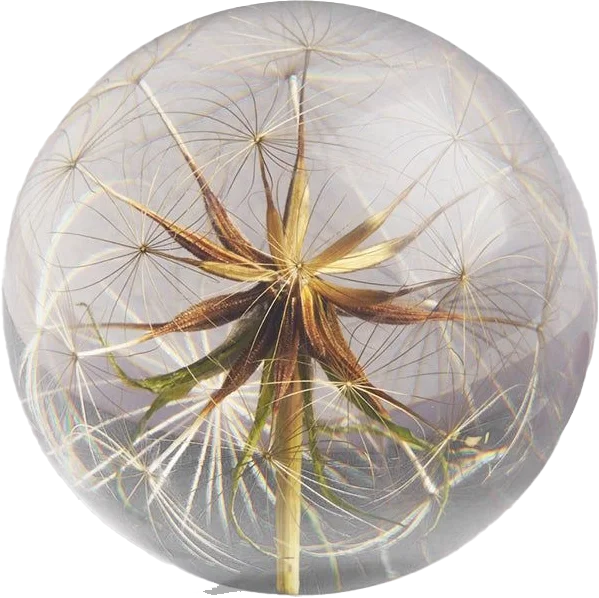
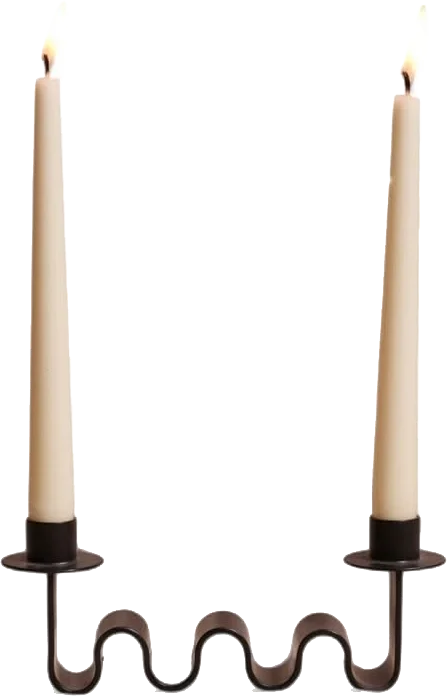
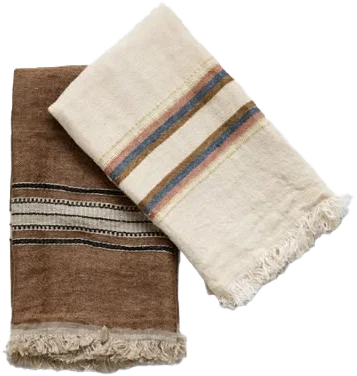
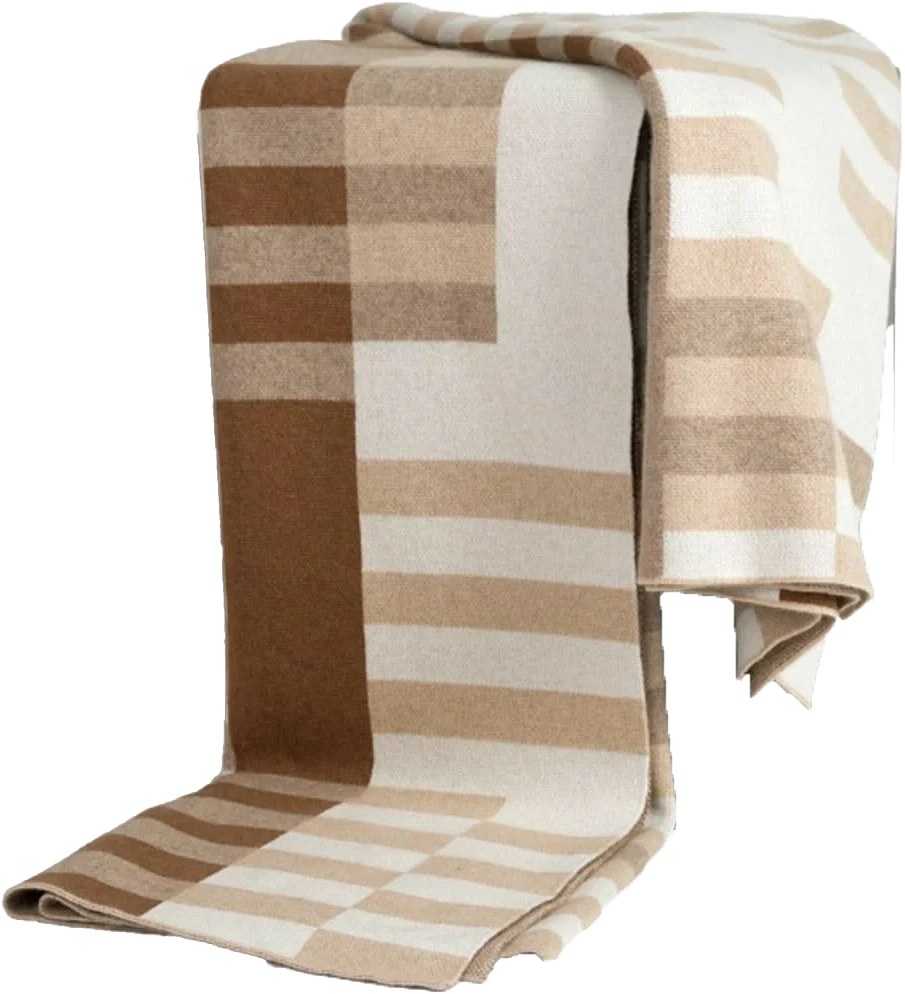
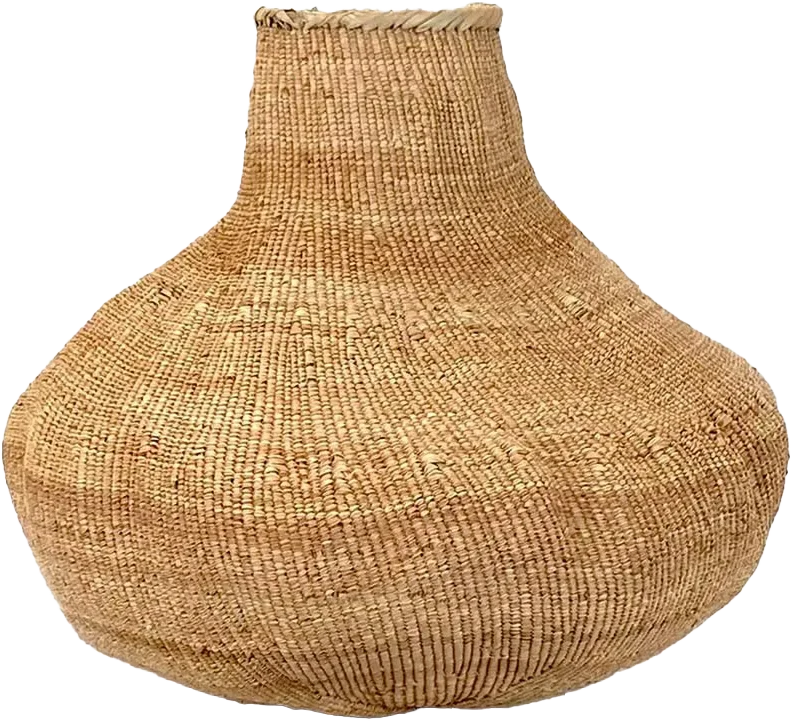
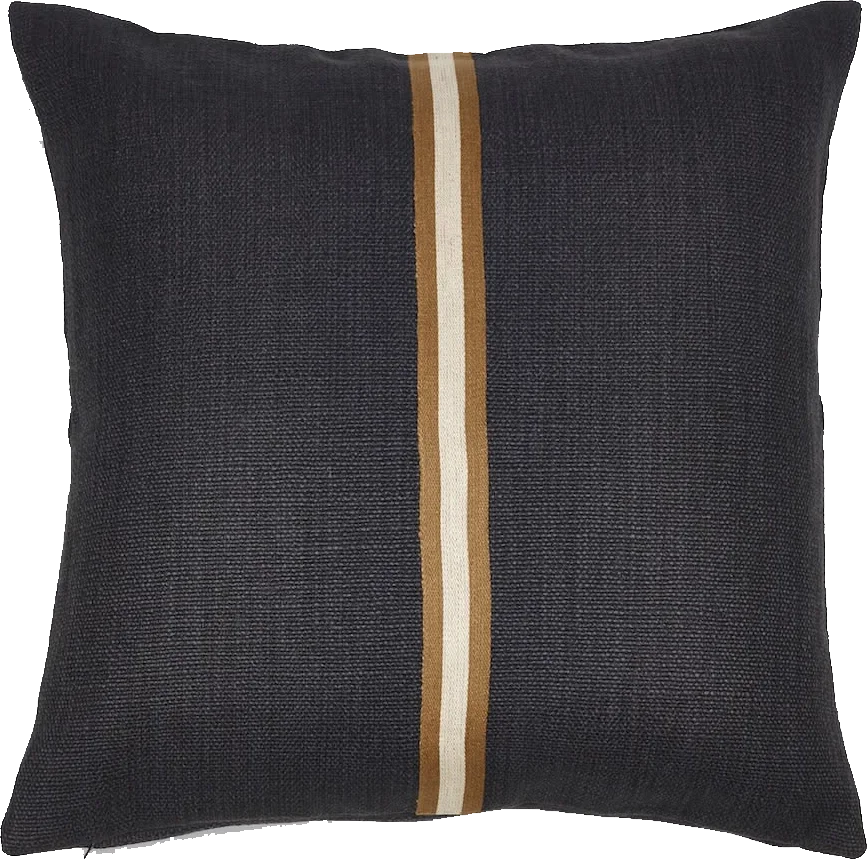
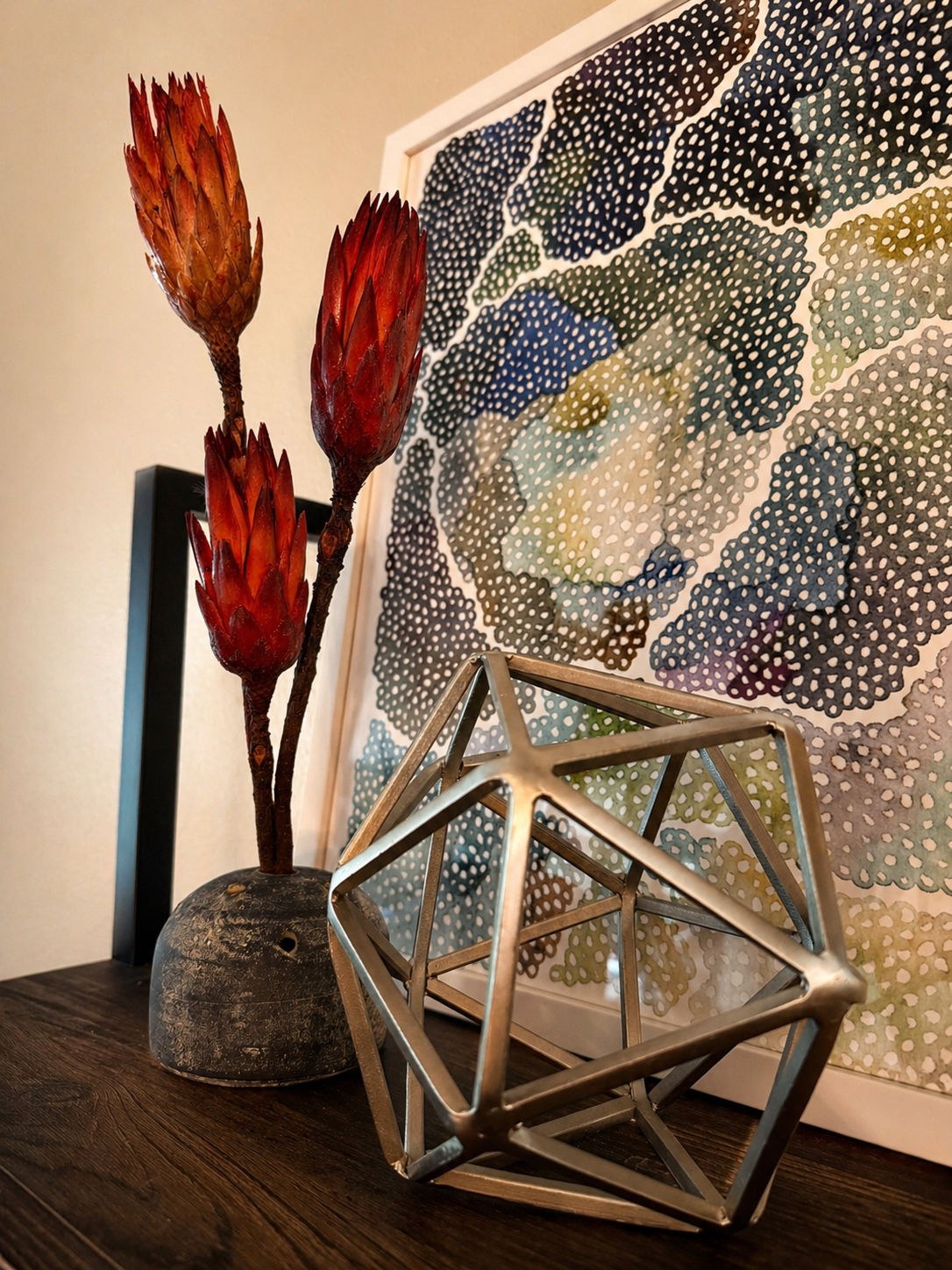
A modern eclectic vignette that balances organic elements with sculptural forms, pairing bold red stems with a geometric metal accent for contrast and depth.
A More Collected Way to Style a Home
Creating a home that feels collected isn’t about adding more—it’s about choosing pieces that work together and giving them the space to breathe. A mix of natural, faux, and dried elements can bring in that sense of balance, especially when everything is layered with a bit of restraint.
I tend to come back to this approach often, not because it follows a specific style rule, but because it makes a space easier to live in. Things don’t have to be perfect or constantly adjusted to still feel intentional.
Over time, those small decisions add up. A few thoughtful pieces, placed with care, can shape a space in a way that feels both relaxed and complete.
Affiliate Disclosure - This post contains affiliate links, which means I may earn a small commission if you make a purchase through them—at no additional cost to you. I only share products I personally use and genuinely like.