

Smart Kitchen Appliances That Improve Accessibility (Not Just Convenience)
Smart kitchen appliances are often marketed as a luxury or a convenience—features designed to impress rather than truly improve how a kitchen works. But for many people, especially those who are Deaf, Hard of Hearing, or living in busy or distracted households, these technologies can serve a much more meaningful purpose.
Traditional kitchens rely heavily on sound: beeping ovens, buzzing timers, alert chimes, and audio cues that signal when something is ready or needs attention. When those signals are missed, cooking becomes more stressful, less safe, and harder to manage. This isn’t just an accessibility issue—it’s a real-life usability problem that affects more people than we tend to acknowledge.
Smart kitchen appliances, when chosen thoughtfully, can replace sound-based alerts with visual notifications, app-based updates, and remote monitoring. Instead of relying on a beep you may never hear, your phone can let you know when the oven is preheated, when a cycle is finished, or when something needs your attention. For Deaf and Hard of Hearing households, this can be a game changer. For busy or distracted people, it simply makes daily life easier.
In this post, I’ll walk through smart kitchen appliances that go beyond “nice-to-have” features and actually improve awareness, safety, and ease of use. The focus isn’t on the latest gadgets or flashy tech—it’s on appliances that support accessible, well-functioning kitchens that work for real people and real routines.

Sleek mid-century modern style kitchen designed to emphasize balance, clarity, and everyday functionality by virtual interior designer Joshua Jones of JJones Design Co.
Why Sound-Based Kitchens Fall Short
Most kitchens are designed around sound. Ovens beep when they’re preheated, microwaves buzz when a timer ends, dishwashers chime when a cycle is complete, and refrigerators alert you with audio warnings. These cues are often treated as universal—but in reality, they only work for a narrow group of users.
For people who are Deaf or Hard of Hearing, these sound-based alerts can be easy to miss or completely inaccessible. That can lead to overcooked meals, forgotten appliances, or safety concerns like leaving an oven on longer than intended. Even visual indicators, such as small flashing lights or subtle screen changes, aren’t always placed where they’re easy to notice during everyday cooking.
But this issue isn’t limited to accessibility alone. Busy households, people working from home, parents multitasking, or anyone who steps away from the kitchen can miss audio alerts just as easily. A timer that relies solely on sound assumes someone is always nearby and always paying attention—something that rarely reflects real life.
When kitchens depend too heavily on sound, they place the burden on the user to adapt, rather than adapting to how people actually move through their day. That’s where smart appliances begin to offer real value—not as flashy upgrades, but as tools that shift awareness from the room to the person.
By replacing or supplementing sound-based alerts with visual notifications, app-based updates, and remote monitoring, smart kitchen appliances can create kitchens that are calmer, safer, and more inclusive for a wider range of users.

Luxury modern kitchen with Art Deco influence designed by virtual interior designer Joshua Jones of JJones Design Co., featured in Architectural Digest.
What Makes a Smart Appliance Truly Accessible?
Not every smart appliance is automatically accessible. Adding Wi-Fi or an app doesn’t guarantee a better experience—especially if the technology simply mirrors the same sound-based alerts in a different format.
An accessible smart appliance does one key thing well: it shifts awareness from the kitchen to the person.
Instead of expecting someone to hear a beep or stay nearby, truly useful smart appliances provide clear, reliable ways to stay informed without relying on sound alone. This can include visual alerts, app-based notifications, or the ability to check appliance status remotely.
Some of the most helpful accessibility features to look for include:
App notifications instead of audio-only alerts
Push notifications that clearly state when an oven is preheated, a cycle is complete, or an appliance needs attention.Clear, readable status updates
Appliances that show what’s happening at a glance—whether through an app or a well-designed display—reduce guesswork and stress.Remote monitoring and control
Being able to check whether an appliance is on or off without physically returning to the kitchen adds peace of mind and improves safety.Consistency across devices
Appliances that integrate smoothly with a phone, tablet, or smart home system allow alerts to follow you instead of being tied to a single room.
Accessibility, in this sense, isn’t about adding complexity—it’s about removing friction.
In the sections that follow, I’ll break down smart kitchen appliances by category and highlight what actually matters from an accessibility and everyday usability perspective.

California casual kitchen designed to support clear sightlines, calm daily routines, and accessible cooking by virtual interior designer Joshua Jones of JJones Design Co.
Smart Ovens and Ranges: Replacing Beeps with Real Awareness
Ovens and ranges are among the most sound-dependent appliances in the kitchen. Preheat alerts, timers, and end-of-cycle notifications are typically communicated through beeps or chimes—assuming someone is nearby and listening. When those cues are missed, cooking becomes less predictable and, in some cases, less safe.
Smart ovens and ranges address this problem by moving critical updates beyond the appliance itself. Instead of relying on a sound from across the room, notifications can be delivered directly to a phone or tablet, making it easier to know when the oven is preheated, when a timer finishes, or whether the oven is still on.
This added visibility matters most when it comes to safety. Being able to quickly check oven status without returning to the kitchen reduces uncertainty and helps prevent forgotten or overheated appliances. Some models also allow limited remote control, such as turning the oven off once cooking is complete—an added layer of reassurance when attention is divided.
The real value of a smart oven isn’t the number of features it offers. It’s the confidence that comes from clear, reliable communication—knowing what’s happening without needing to hear a beep or stay anchored to the kitchen.
Smart Oven and Range Picks Worth Considering
The models below represent a range of well-established smart ovens and ranges across different budgets and kitchen styles. Each offers app-based notifications and remote status monitoring, making them practical options for kitchens where awareness, clarity, and ease of use matter more than novelty features.
More Affordable, Everyday Smart Ranges
Mid-Range Smart Ranges with Enhanced Performance
High-End and Design-Forward Smart Ovens and Ranges
Bosch HBL87M53UC (800 Series)
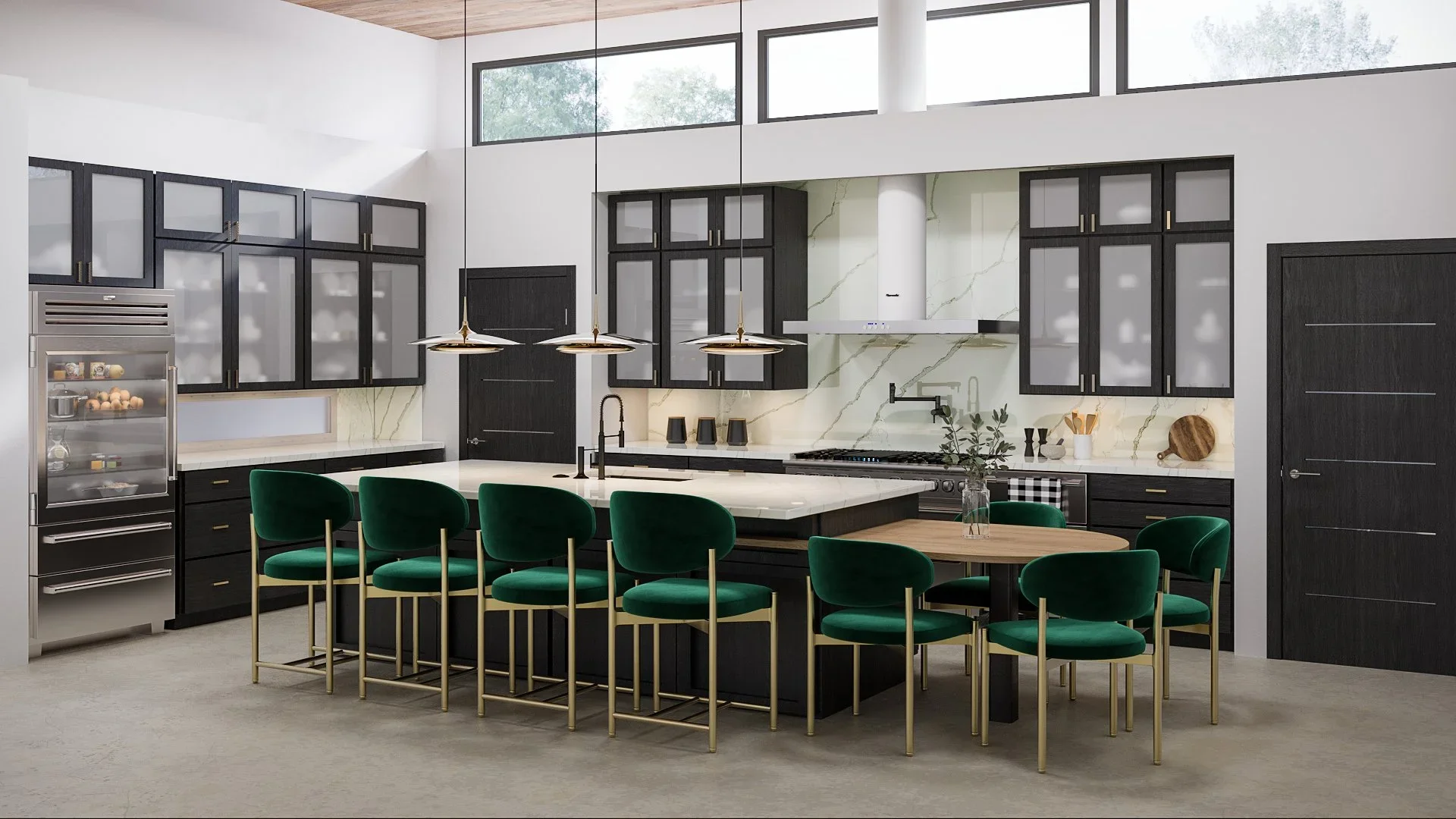
Industrial and mid-century modern kitchen designed to balance visual clarity, functionality, and everyday accessibility by virtual interior designer Joshua Jones of JJones Design Co.
Smart Refrigerators: Staying Informed Without Opening the Door
Refrigerators don’t rely on sound as heavily as ovens, but they still communicate important information in ways that are easy to miss. Door-open alerts, temperature warnings, and maintenance notifications are often subtle, assuming someone will notice them in time.
Smart refrigerators improve this by offering passive, background awareness. Instead of relying on a quiet chime or small indicator light, notifications can be sent directly to a phone or tablet—making it easier to catch issues like a door left ajar or a temperature change before they become a problem.
This kind of remote visibility is especially useful because it doesn’t interrupt daily routines. Being able to quickly check refrigerator status without walking back to the kitchen adds reassurance and reduces mental load, particularly in larger homes or busy households.
Some models include interior cameras or usage tracking tools. While not essential, these features can help with organization and reduce unnecessary door opening. The core benefit, however, is simple: clear updates that follow the user instead of staying tied to the appliance.
Smart Refrigerator Picks Worth Considering
The models below offer smart connectivity that supports door-open alerts, temperature notifications, and maintenance reminders. They span a range of budgets and design styles, making them practical options for kitchens where awareness and reliability matter more than extra features.
More Affordable, Everyday Smart Refrigerators
Mid-Range Smart Refrigerators with Enhanced Features
High-End and Design-Forward Smart Refrigerators
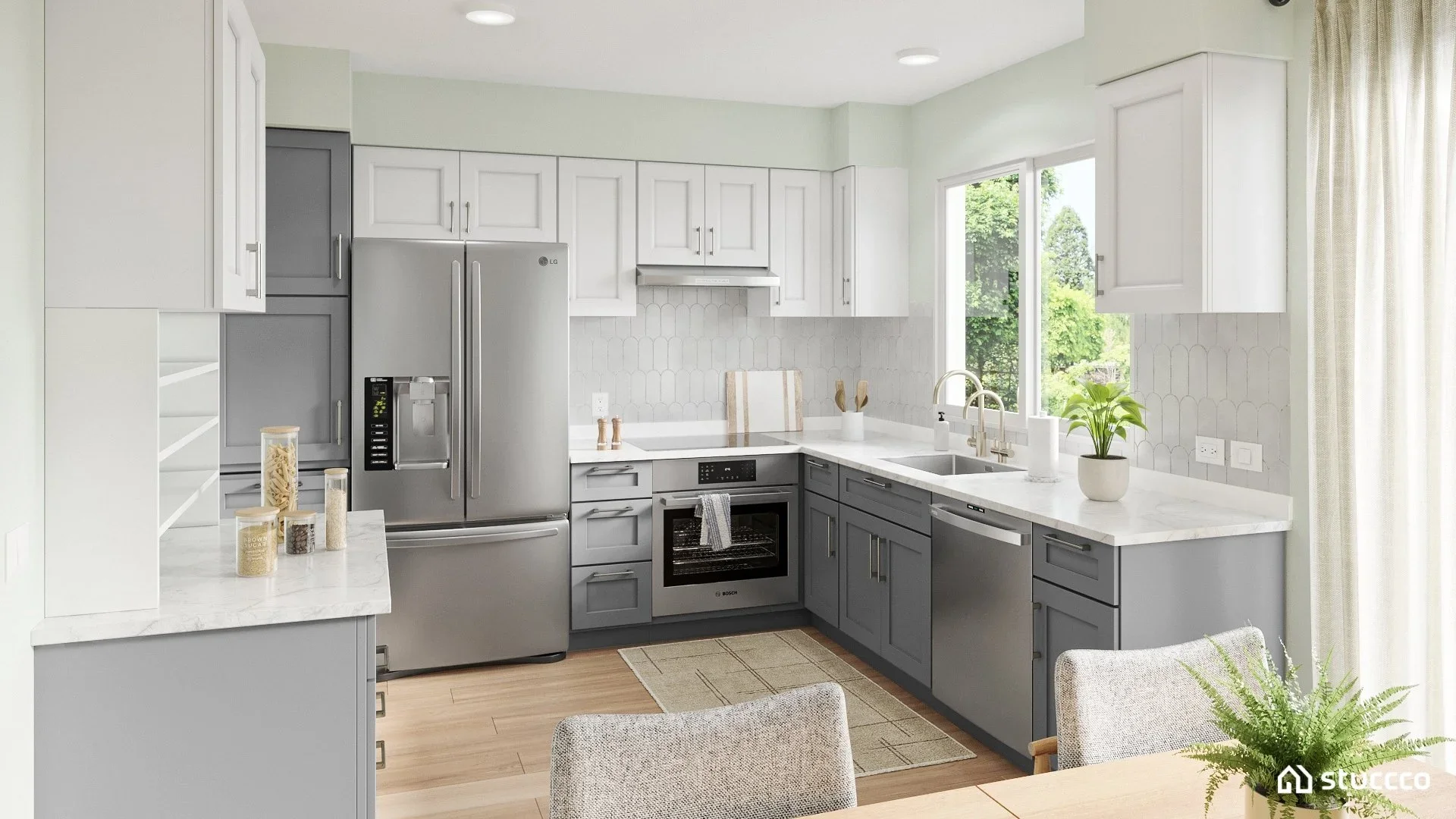
Scandinavian style kitchen designed with an emphasis on clarity, functionality, and everyday accessibility by virtual interior designer Joshua Jones of JJones Design Co. 3D rendering created by Stuccco.
Smart Dishwashers: Clear End-of-Cycle Alerts Without Guesswork
Dishwashers are designed to be quiet, which works well in open-concept homes—but it also makes their end-of-cycle alerts easy to miss. A soft chime assumes someone is nearby and paying attention, which isn’t always realistic.
Smart dishwashers solve this small but persistent problem by sending clear notifications when a cycle finishes. Instead of guessing whether dishes are clean, users can check status from a phone or tablet without returning to the kitchen.
This added visibility is especially useful in larger homes or multi-level layouts, where it’s easy to lose track of what’s running. Being able to confirm whether a dishwasher is still operating—or already finished—helps avoid interruptions and unnecessary repeat cycles.
Some models also include interior lighting or projected indicators on the floor. While these features vary, they can be helpful visual cues when paired with app notifications. The biggest benefit, however, is simple clarity: knowing when the dishwasher is done without relying on sound.
Smart Dishwasher Picks Worth Considering
The models below offer smart connectivity that supports end-of-cycle notifications and remote status checks. They span a range of budgets and styles, making them practical options for kitchens where quiet operation and clear communication matter.
More Affordable, Everyday Smart Dishwashers
Mid-Range Smart Dishwashers with Enhanced Features
High-End and Design-Forward Smart Dishwashers

Mediterranean style kitchen designed to emphasize warmth, balance, and everyday usability by virtual interior designer Joshua Jones of JJones Design Co.
Smart Microwaves: Timers That Don’t Rely on Beeps
Microwaves rely on sound more than almost any other kitchen appliance. Loud beeps signal when cooking is finished, when food needs attention, or when a door has been left open. Miss those alerts, and food is forgotten, overheated, or reheated multiple times—something most people have experienced.
Smart microwaves reduce that frustration by sending notifications beyond the appliance itself. Instead of depending on beeps, users can receive alerts on a phone or tablet when a cycle finishes or when the microwave needs attention.
Being able to check whether a microwave is still running—or already finished—without returning to the kitchen helps reduce interruptions and keeps everyday cooking moving smoothly. The biggest benefit here isn’t advanced features, but clarity: fewer missed moments and less guesswork.
Smart Microwave Picks Worth Considering
The models below offer smart connectivity that supports app-based alerts and clearer status visibility. They work well for kitchens where timers are easy to miss and quick awareness matters more than extra features.
Everyday Smart Microwave Options
LG 2.0 cu. ft. Smart Over‑the‑Range Microwave – Wi-Fi and ThinQ app support with Sensor Cook and EasyClean technology.
Enhanced Smart Microwaves with Connectivity
Countertop & Flexible Smart Options

Country eclectic kitchen designed to balance warmth, character, and everyday functionality by virtual interior designer Joshua Jones of JJones Design Co. 3D rendering created by Stuccco.
What to Look for When Choosing Smart Kitchen Appliances
With so many smart appliances on the market, it can be tempting to chase every feature or rely on brand buzz. But when your priority is accessibility and real-world usability, not everything matters equally. The goal is to find appliances that communicate clearly, reduce reliance on sound, and fit into the rhythms of everyday life.
Here’s what to prioritize:
1. Clear, Actionable Notifications
The single most important smart feature for accessibility is the ability to send notifications you can see and act on, rather than only hear. Look for appliances that:
Send push notifications to your phone or tablet when a cycle completes
Provide concise message text rather than generic symbols
Integrate with smart home platforms so alerts follow you
This makes alerts visible even when you’re out of the room or focused on something else.
2. Remote Status Monitoring
Being able to check the status of an appliance without physically standing in front of it reduces uncertainty and prevents surprises. Useful status features include:
“Cycle in progress” indicators in the app
Remote confirmation of on/off states
Internal temperature or timer readouts in your smart device
This is especially helpful for ovens, dishwashers, and refrigerators.
3. Visual Feedback Beyond Small Lights
Many appliances still rely on small lights or subtle display changes to communicate. For accessibility, those cues aren’t always sufficient. Instead, look for:
Large, readable displays
Interior lighting that turns on during or after cycles
App or connected device indicators that use text or visuals
Visual clarity matters more than fancy screen graphics.
4. Integration With Smart Home Systems
Appliances that play nicely with smart home platforms (like Apple HomeKit, Google Home, Amazon Alexa) give you more flexibility in how you receive alerts. For example:
Flash household lights when a cycle ends
Trigger smart watches with vibration alerts
Combine alerts with other routines
Even if you don’t use all these automations, integration expands what’s possible.
5. Prioritize Reliability Over Excess Features
A modern oven with countless presets looks impressive—but bells and whistles don’t improve accessibility unless they’re backed by reliable communication. Choose appliances with:
Consistent app performance
Strong brand support and regular updates
Clear, documented alert behavior
An appliance that works predictably is more accessible than one with flashy but inconsistent features.
Designing Kitchens That Communicate Clearly
Smart kitchen appliances aren’t just about convenience or keeping up with technology trends. When chosen thoughtfully, they can play a meaningful role in creating kitchens that communicate clearly, reduce stress, and support a wider range of users—especially those who are Deaf or Hard of Hearing.
What matters most isn’t having the most advanced appliance on the market, but choosing ones that replace sound-based alerts with visible, reliable information. App notifications, clear status updates, and remote monitoring help shift awareness away from the kitchen and toward the person using it. That shift can improve safety, confidence, and everyday ease—whether you’re managing hearing loss, juggling a busy household, or simply stepping away from the room while cooking.
Accessibility in the kitchen doesn’t have to look specialized or clinical. In many cases, it’s built quietly into the choices we make—appliances that communicate better, layouts that support visibility, and systems that work with how people actually live.
If you’re interested in taking a broader look at accessibility beyond the kitchen, you may also find this helpful:
How to Create an Accessible Home for Deaf, DeafBlind, and Hard of Hearing People
Designing for accessibility isn’t about limiting options—it’s about expanding who a space truly works for. And when kitchens are designed with clearer communication in mind, they tend to work better for everyone.
Affiliate Disclosure - Some of the links in this post are affiliate links. This means that if you choose to make a purchase through one of these links, I may earn a small commission at no additional cost to you. I only share products and brands that align with the goals of this article and that I believe offer real value in terms of accessibility, usability, and thoughtful kitchen design.
Affiliate partnerships help support the time and work that goes into creating in-depth, educational content like this, while allowing me to keep sharing design insights and resources openly.