Why Remodels Go Over Budget — And How Proper Planning Prevents It
Most remodeling projects don’t go over budget because someone upgraded their tile or chose a more expensive faucet. In reality, budget overruns usually begin much earlier — often before demolition even starts.
In my experience, the biggest cost increases stem from incomplete planning, unclear scope, and decisions made too late in the process. Remodeling isn’t simply about selecting beautiful finishes. It’s about sequencing, coordination, and understanding how one choice affects the entire project.
When planning is reactive, even small adjustments can trigger expensive change orders and timeline delays. But when a remodel begins with a clear strategy — detailed scope, aligned priorities, and coordinated selections — the financial outcome becomes far more predictable.
The difference between a remodel that stays on budget and one that spirals rarely comes down to taste. It comes down to planning.
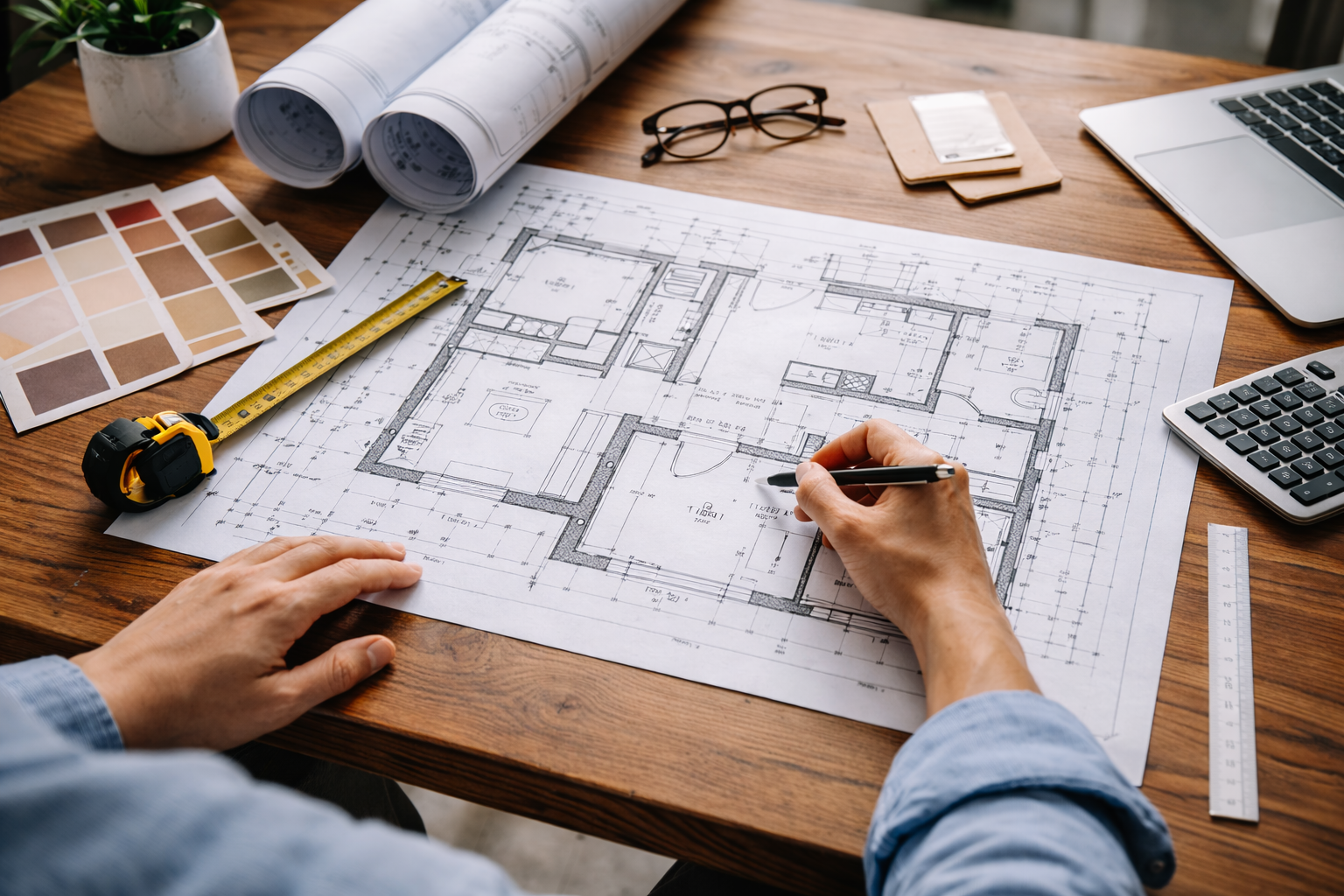
Strategic planning before construction begins is one of the most effective ways to reduce costly surprises during a remodel Image generated using AI for illustrative purposes.
Budget Overruns Often Begin Before Construction
One of the most common misconceptions about remodeling is that costs spiral during construction. In reality, many budget issues are set in motion long before the first contractor arrives.
When the project scope isn’t fully defined at the beginning, it creates room for uncertainty. Are structural changes required? Will electrical need updating? Is plumbing being relocated? These decisions significantly impact cost, yet they’re sometimes addressed after initial estimates are given.
Another common issue is setting a budget based on averages rather than project-specific planning. Online remodel cost ranges can be helpful as a starting point, but they rarely reflect the realities of a particular home. Factors like layout changes, material quality, regional labor costs, and existing conditions all influence the final number.
Without a clearly defined scope and realistic allowances, early estimates can create a false sense of security. Then, as details are clarified and selections are finalized, the numbers begin to climb.
The goal isn’t to eliminate every unknown — that’s impossible in remodeling. The goal is to reduce preventable surprises through detailed planning before construction begins.
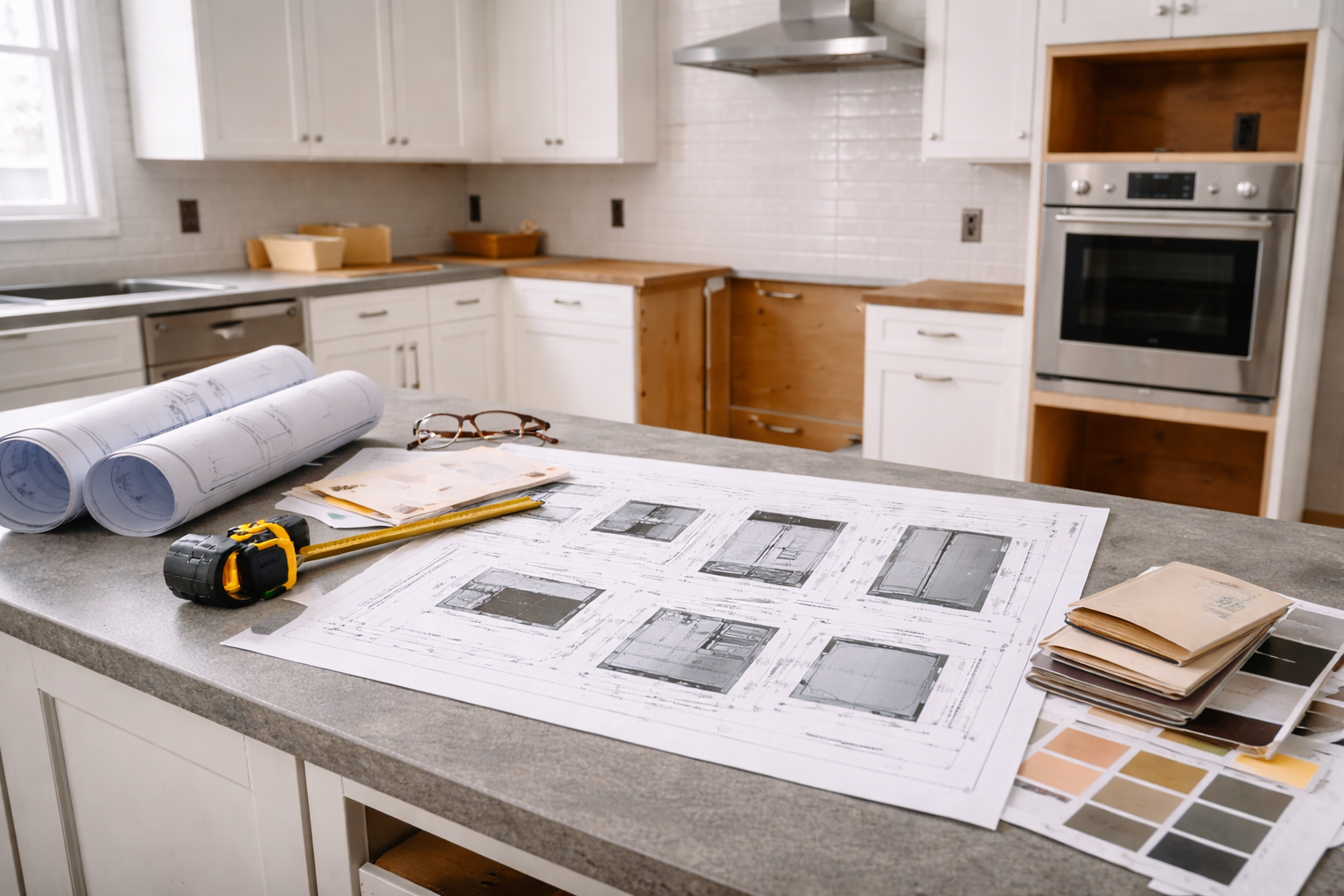
When selections are finalized out of sequence during a remodel, even small adjustments can trigger additional labor, revisions, and unexpected costs Image generated using AI for illustrative purposes.
Selections Made Out of Sequence
Another reason remodels go over budget has less to do with material prices and more to do with timing.
In many projects, selections are made out of order. Finishes are chosen before layouts are finalized. Appliances are upgraded after cabinetry has been ordered. Lighting plans are adjusted once framing is complete. Each decision may seem minor on its own, but when made at the wrong stage, it can trigger expensive revisions.
For example, selecting a larger range after cabinetry drawings are approved can require cabinet modifications. Changing plumbing fixtures after rough-ins are completed can result in additional labor. Adjusting lighting placement after drywall is installed often means patching and repainting.
None of these changes are catastrophic — but they are cumulative.
Remodeling is a layered process. Layout informs cabinetry. Cabinetry informs appliances. Appliances affect electrical and ventilation. Lighting interacts with ceiling plans and millwork. When selections are made without a coordinated strategy, each adjustment has a ripple effect.
Proper planning doesn’t just determine what you choose. It determines when you choose it.
When decisions are sequenced correctly and aligned before construction milestones, the project flows more smoothly — and the budget becomes far more predictable.
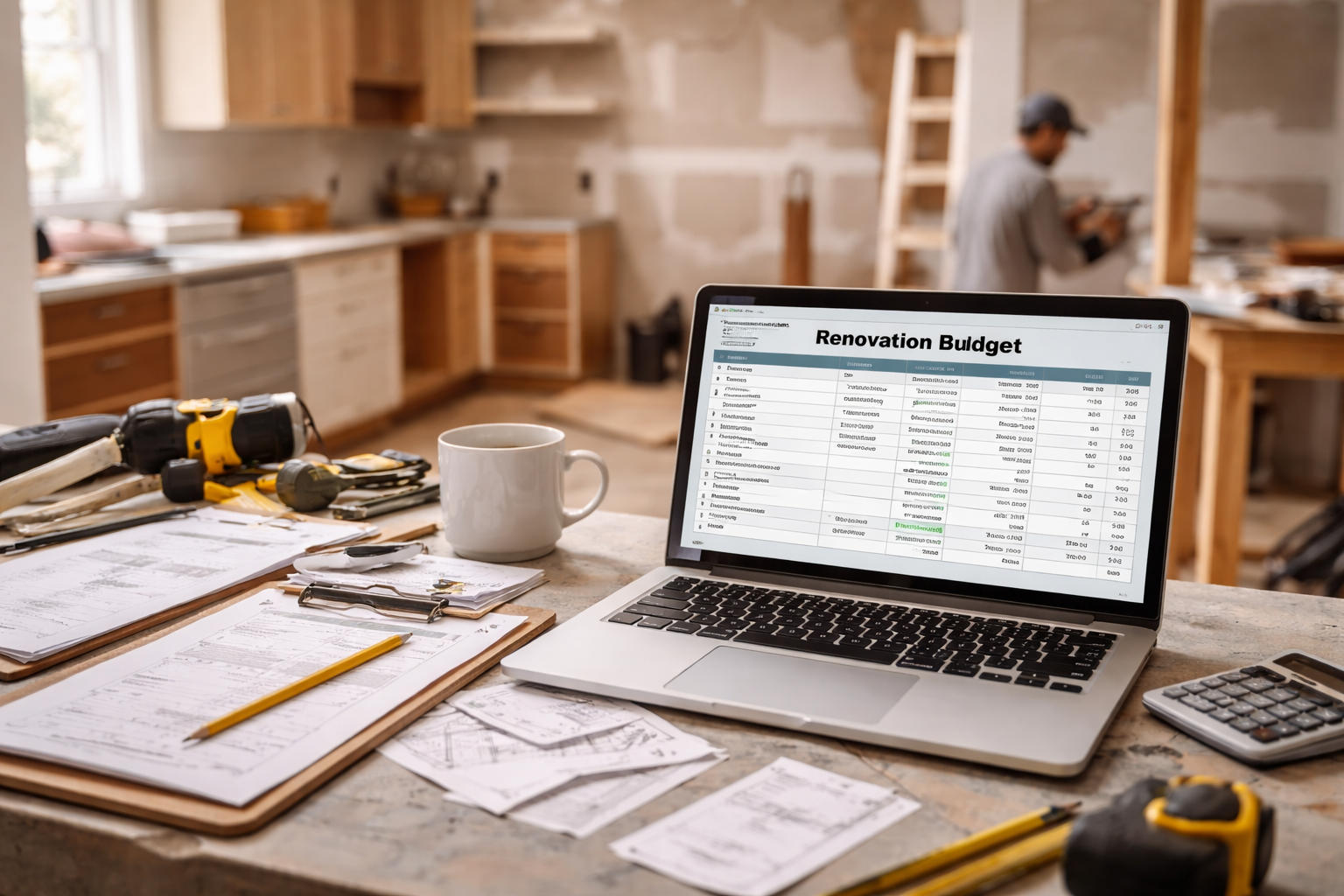
Change orders, revised scope, and mid-project adjustments can quietly increase remodeling costs when decisions are made after construction begins Image generated using AI for illustrative purposes.
The Real Cost of Change Orders (and Code Surprises)
Change orders aren’t unusual. Remodeling involves real homes, real constraints, and sometimes adjustments along the way.
But there’s a difference between unavoidable surprises and preventable ones.
Some changes happen because of local building codes. You might open up a wall and discover that electrical needs to be updated to meet current standards. Or a new layout may require additional structural support that wasn’t obvious at first glance. These adjustments aren’t optional — they’re required.
Permits can introduce changes as well. A city reviewer may require revisions before approving plans. In some cases, an application is rejected and must be resubmitted with modifications. That process can delay timelines and increase costs, especially if materials or construction schedules have already been coordinated.
Those types of changes are part of remodeling reality.
Where budgets often drift, though, is when revisions are layered on top of those required adjustments. A layout tweak here. An appliance upgrade there. A lighting change once framing is complete.
Individually, they don’t feel dramatic. But each one requires coordination, labor, and sometimes undoing work that has already been completed.
By the end of the project, the budget hasn’t expanded because of one big splurge. It’s grown because of a series of decisions made midstream — combined with the practical realities of permits and codes.
Remodeling isn’t unpredictable. But it does reward projects that are carefully planned before construction begins.

Remodel planning often involves reviewing layouts, material selections, and budget details simultaneously — a process that requires coordination and clear decision-making. Image generated using AI for illustrative purposes.
The Hidden Cost of Decision Fatigue
There’s another reason remodel budgets drift — and it has less to do with math and more to do with mental bandwidth.
Remodeling requires hundreds of decisions. Layout details. Cabinet configurations. Hardware finishes. Appliance specifications. Lighting placement. Paint sheens. Outlet locations. The list keeps going.
At the beginning of a project, most homeowners feel confident. They’ve saved inspiration photos. They’ve thought about what they like. They have a vision.
But as the weeks pass and the number of decisions increases, clarity often turns into fatigue.
When people are overwhelmed, they tend to do one of three things:
They defer to the contractor’s default suggestion.
They make quick decisions just to keep the project moving.
Or they change their minds later once the implications become clearer.
None of these responses are irrational. They’re human.
The problem is that remodeling decisions are interconnected. A rushed choice about cabinetry can affect appliance sizing. A lighting decision made in isolation can change how a room feels at night. Small compromises made under pressure can become long-term frustrations.
Decision fatigue doesn’t always show up as a line item in the budget. But it can lead to reactive changes, delays, and revisions — all of which carry a financial cost.
This is one of the less visible advantages of structured planning. When decisions are organized, sequenced, and guided by an overall strategy, homeowners don’t have to constantly recalibrate. The mental load is lighter — and the financial outcome tends to be steadier.
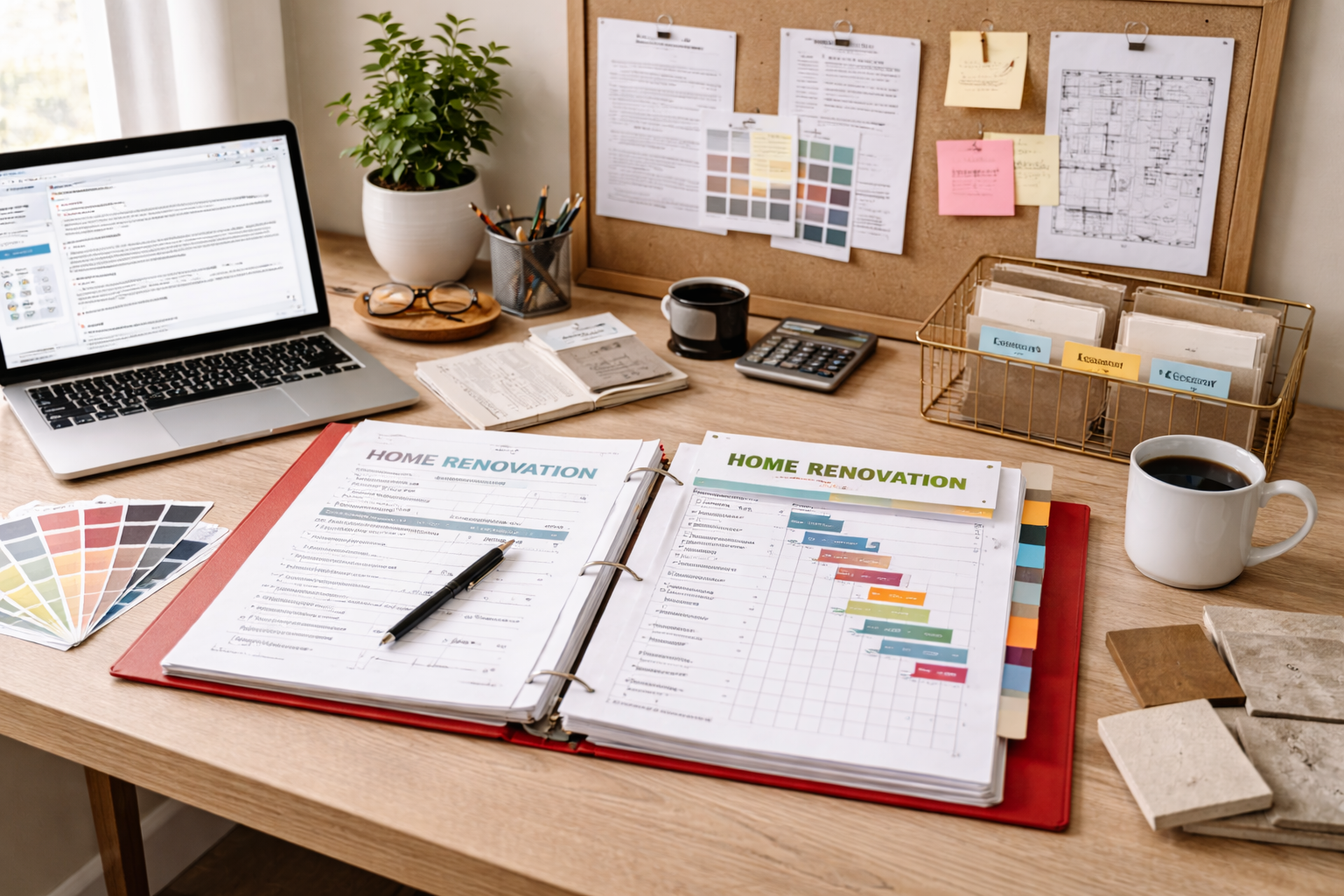
Detailed planning — from schedules to selections — helps align scope, budget, and construction timelines before a remodel begins. Image generated using AI for illustrative purposes.
What Proper Planning Actually Looks Like
If most budget overruns are rooted in planning gaps, the natural question becomes: what does proper planning really mean?
It’s not about overcomplicating the process. And it’s not about eliminating every unknown — remodeling will always involve some level of unpredictability.
Proper planning means defining the scope clearly before construction begins. It means understanding which walls are moving, where plumbing is relocating, how lighting integrates with cabinetry, and how each element connects to the next.
It also means aligning selections with the budget early — not after materials are ordered. Appliances, fixtures, finishes, and millwork should work together on paper before they’re coordinated on site.
In practical terms, good planning often includes:
Detailed layout decisions before ordering cabinetry
Confirmed appliance specifications before finalizing millwork
Lighting plans integrated with ceiling and electrical layouts
Realistic allowances based on actual product research
Clear documentation that contractors can follow without guesswork
When those elements are addressed upfront, projects tend to feel calmer. Contractors have clearer direction. Timelines are easier to maintain. And homeowners aren’t constantly reacting to new information.
Remodeling is complex. But when approached strategically, it doesn’t have to feel chaotic — or financially unpredictable.
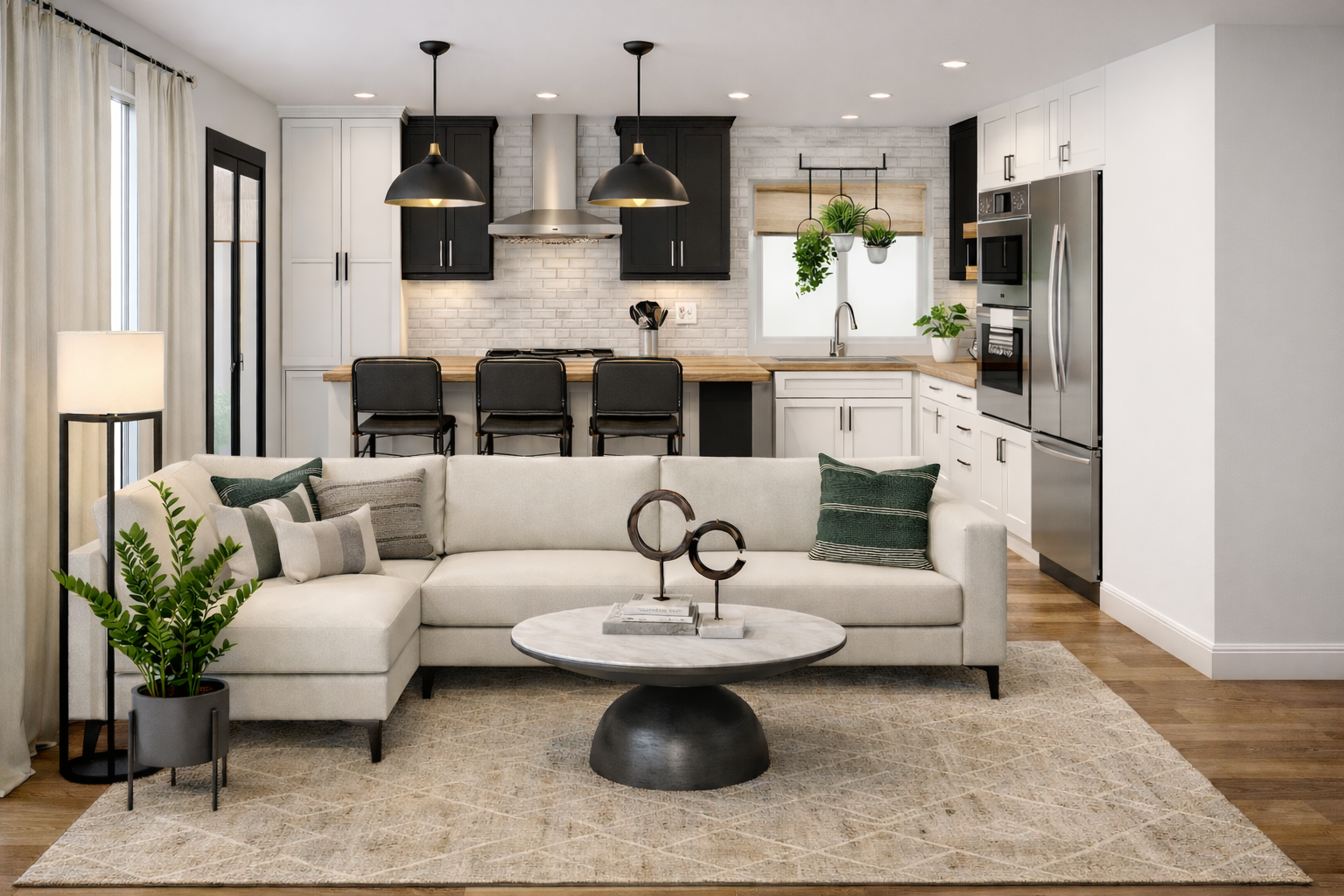
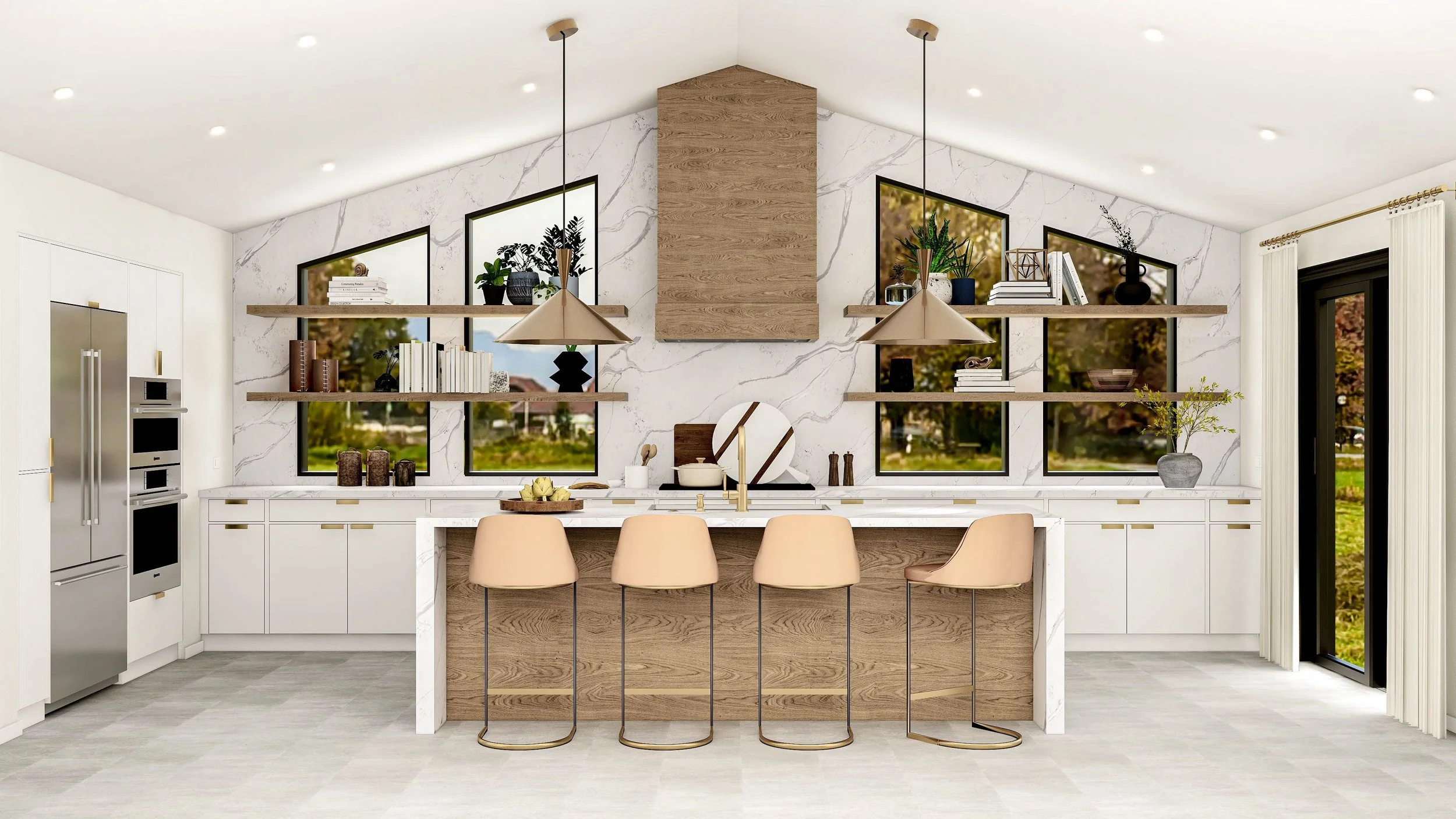
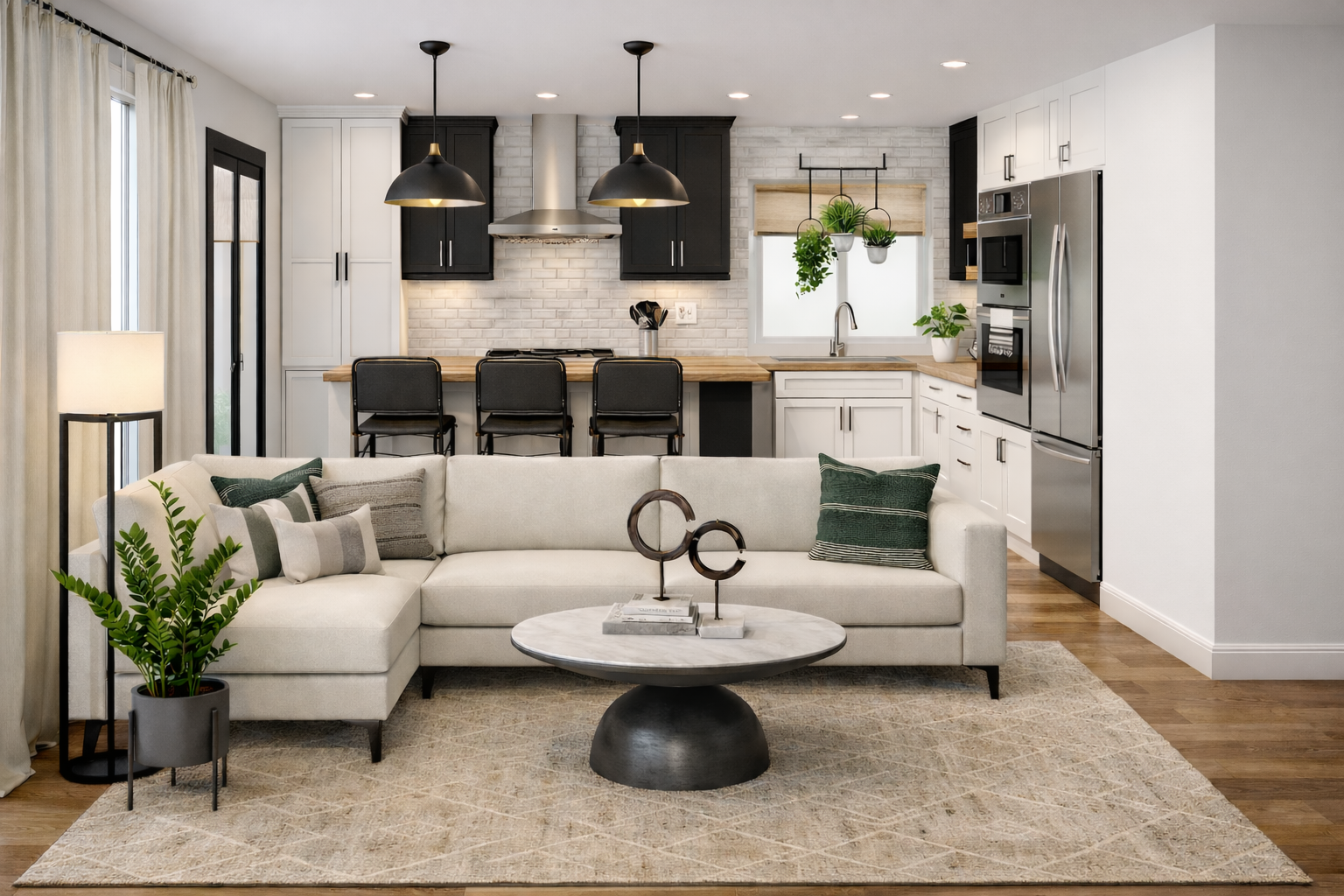
A fully coordinated kitchen and family room design demonstrates how thoughtful planning brings layout, cabinetry, lighting, and furnishings together before construction begins. Image generated using AI to illustrate the design planning process.
Bringing It All Together
Remodeling is one of the largest investments most homeowners make — not just financially, but emotionally and logistically.
When projects go over budget, it’s rarely because someone chose the “wrong” tile. More often, it’s because the planning phase didn’t fully account for how interconnected each decision would become once construction started.
Scope clarity matters.
Sequencing matters.
Permit realities matter.
Mental bandwidth matters.
When those pieces are addressed early, remodels tend to feel steadier. The timeline is more predictable. Contractors have clearer direction. And homeowners aren’t constantly recalculating both budget and expectations.
Strategic planning doesn’t eliminate every surprise — but it dramatically reduces preventable ones.
For homeowners balancing demanding careers, family schedules, and limited time, structured design planning can provide clarity before demolition ever begins. Not because they lack taste or ideas, but because remodeling requires coordination that extends beyond selecting finishes.
If you’re considering a kitchen, bath, or full-home remodel and want a strategic plan in place before construction begins, you can learn more about my virtual remodel design services here.