Ask Joshua: Do I Really Need a Rug Pad? Here’s What Actually Matters
Hi Joshua,
I keep hearing that I should be using rug pads under my area rugs, but no one has really explained why. Some people say rug pads are necessary, others say they’re optional, and I’ve even read that certain rug pads can damage floors.
At this point, I’m genuinely confused — do I really need a rug pad, and what does it actually do? Does it matter what type of flooring I have, or the size of the rug? I’ve tried looking this up online, but I’m finding mixed answers that only make it more unclear.
I’d appreciate your advice on whether rug pads are worth it and when they actually matter.
Thanks,
Ryan - Chicago, Illinois
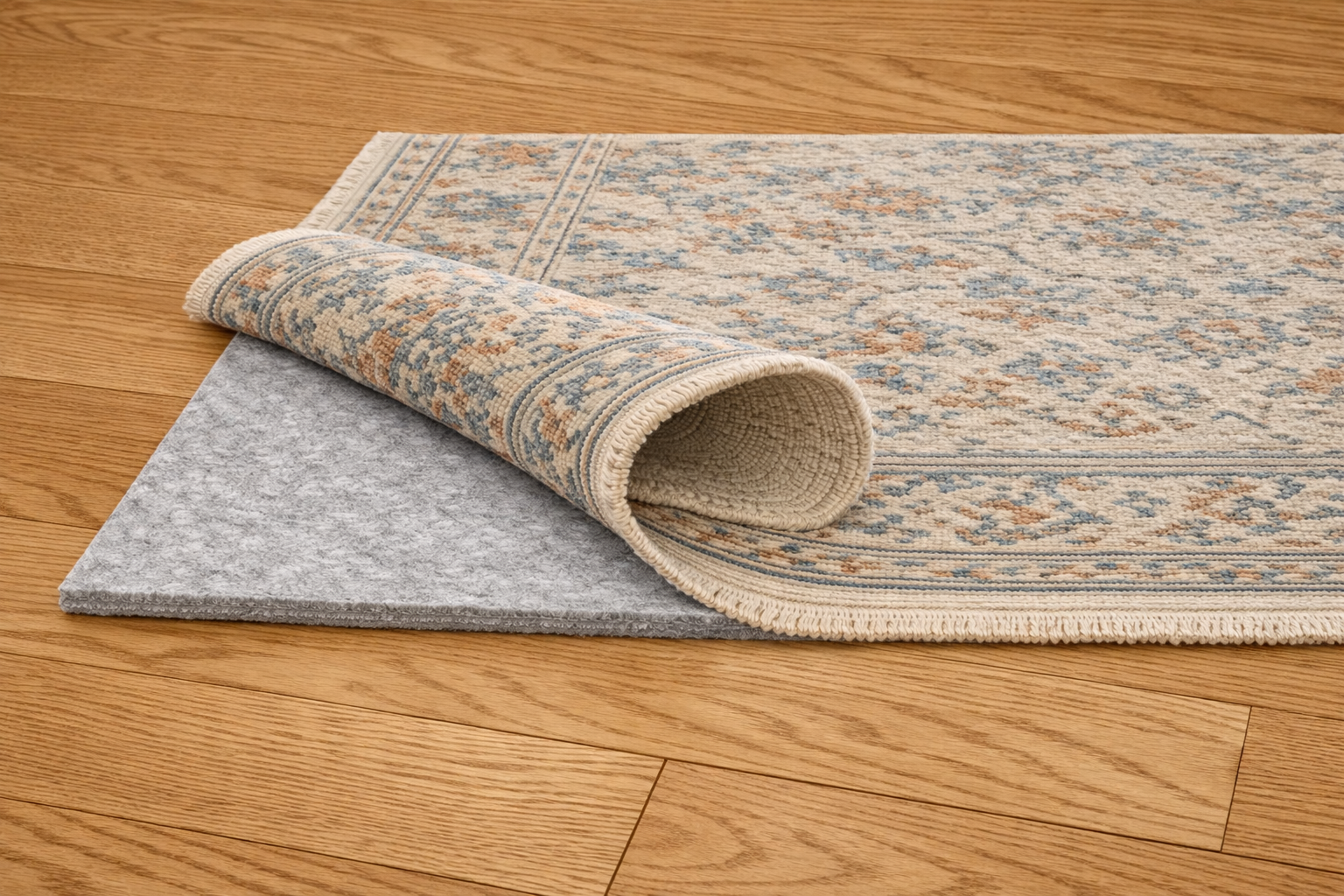
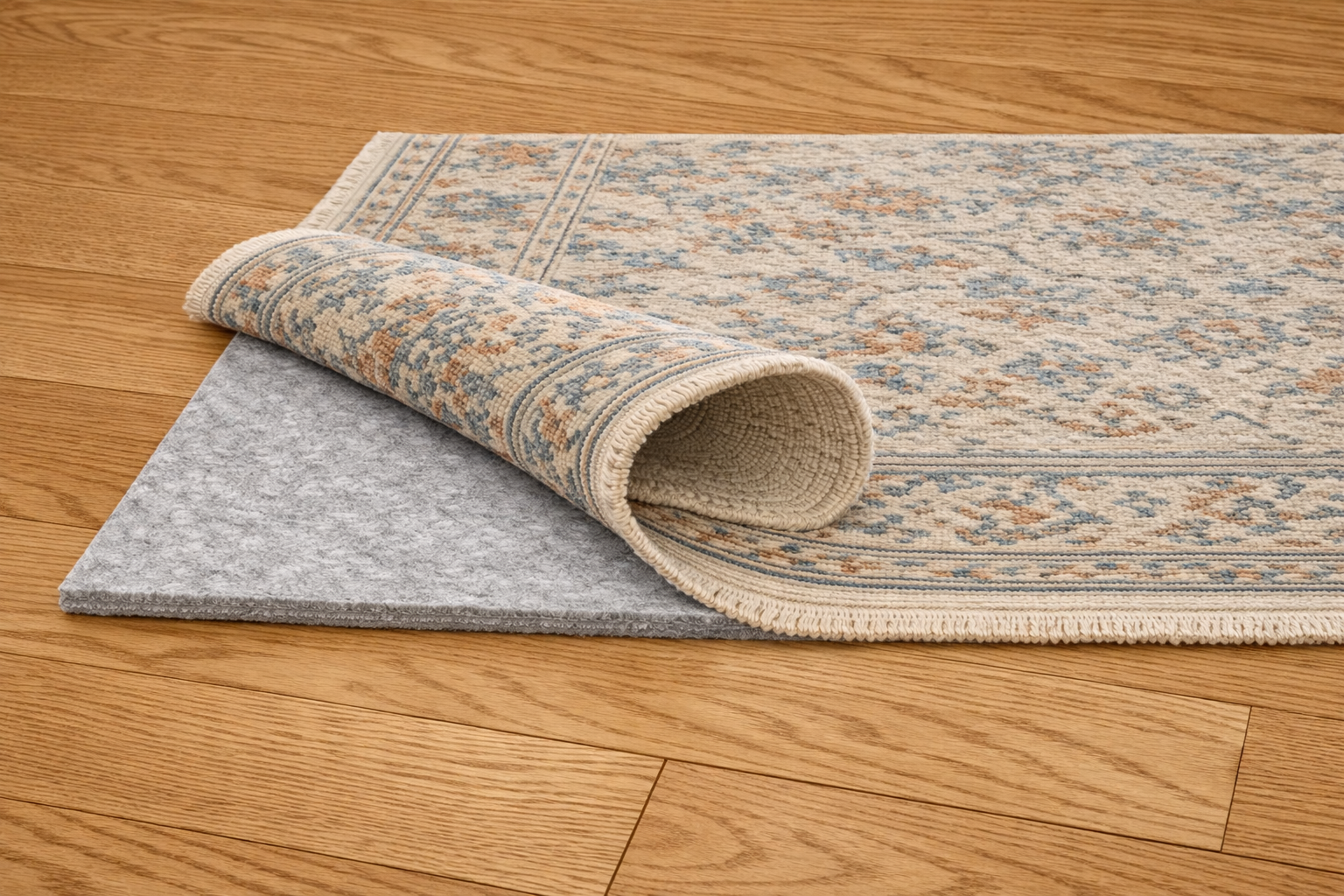
Rug pads should be sized slightly smaller than the rug so they stay hidden while improving comfort, stability, and floor protection. (AI-generated image.)
Ask Joshua’s Answer
Ryan, this is a great question — and a very common one. Rug pads tend to get mentioned a lot, but they’re not always explained clearly, which is why the advice you’re finding online can feel mixed or confusing.
Short answer:
Many rugs benefit from a rug pad, but whether you actually need one depends on how the rug is used, where it’s placed, and what’s underneath it.
Rather than thinking of a rug pad as a requirement, it’s more helpful to think of it as a support layer that can improve comfort, safety, and longevity when the conditions are right.
What a Rug Pad Actually Adds to a Space
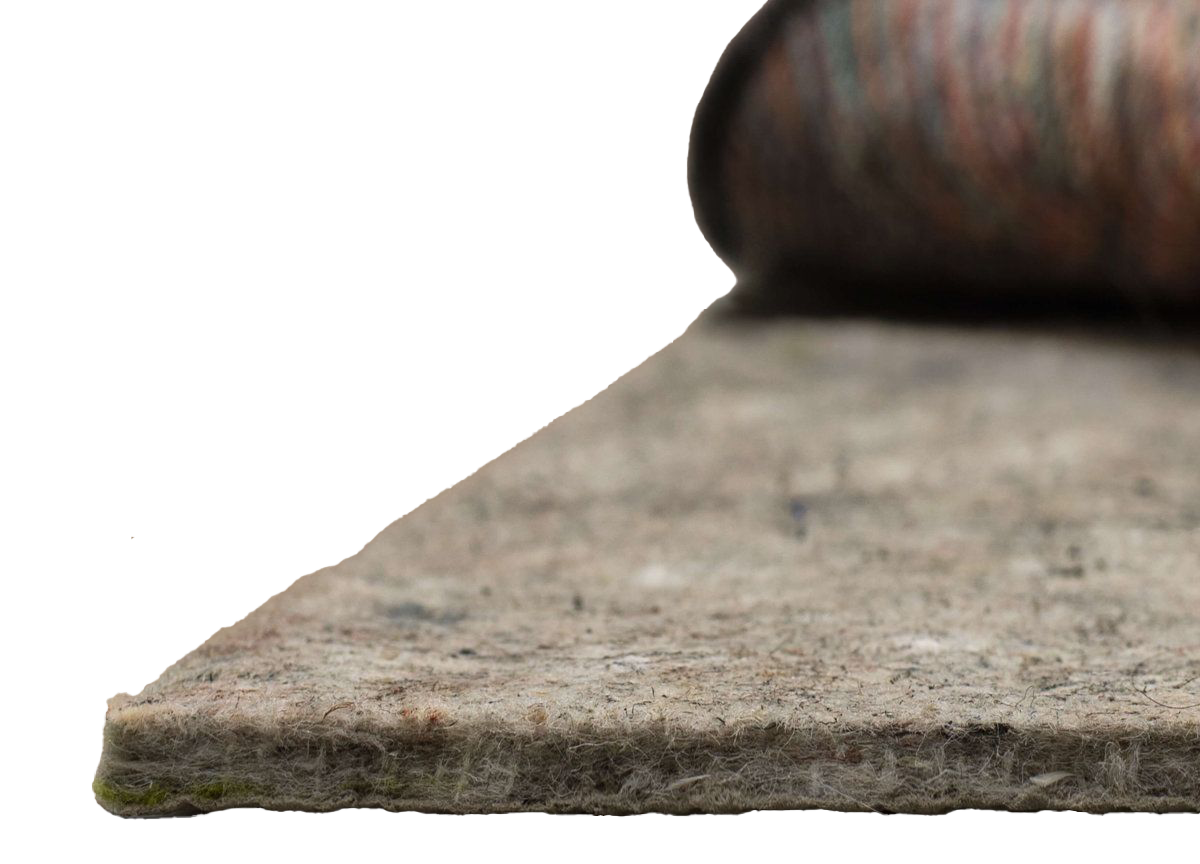
Beyond helping a rug stay in place, rug pads offer several practical benefits:
Extra cushioning underfoot, which can make a noticeable difference in bedrooms, living rooms, and playrooms
A softer feel, especially under thinner or flat-woven rugs
Improved stability, helping rugs stay in position and lie flatter
Added protection between the rug and the floor, reducing friction over time
Comfort is often overlooked, but it’s one of the main reasons people notice an immediate improvement after adding the right rug pad.
When a Rug Pad Is Especially Helpful
A rug pad tends to make the biggest difference in these situations:
Hard Flooring
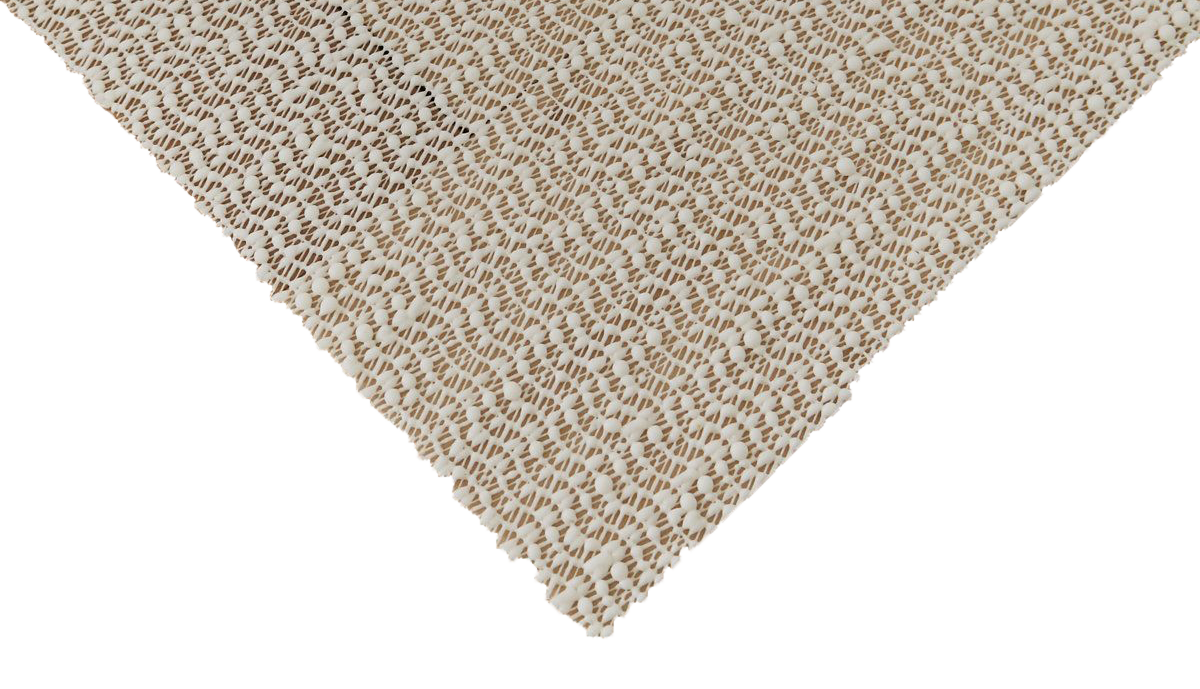
On hardwood, engineered wood, tile, or concrete floors, rug pads help prevent slipping while also adding a bit of softness that hard surfaces naturally lack.
Thin or Flat-Woven Rugs
Low-pile and flat-woven rugs almost always feel better with a rug pad underneath. Without one, they can feel thin, slide easily, or look less substantial in a room.
Rooms With Thin Carpet Pile
If you have wall-to-wall carpet with a thin or low pile, adding a rug pad under an area rug can improve comfort. The pad adds subtle cushioning and helps the rug feel softer and more comfortable underfoot rather than flat.
High-Use Rooms
In living rooms, bedrooms, and playrooms, rug pads can make a space feel more comfortable and finished, especially when people walk across the rug daily.
Situations Where a Rug Pad May Not Be Necessary
There are also cases where a rug pad isn’t essential:
Small accent rugs in low-traffic areas
Rugs fully anchored by heavy furniture
Decorative rugs that aren’t walked on frequently
In these situations, a rug pad may not add much value — and that’s perfectly fine.
Choosing the Right Rug Pad Matters
Not all rug pads are the same. The right choice depends on:
The type of flooring underneath
The thickness and construction of the rug
Whether comfort, grip, or floor protection is the priority
Choosing a rug pad that works well with both the rug and the floor helps ensure you get the benefits without creating new issues.
What Size Rug Pad Should You Use?
Rug pad sizing is one of the most common mistakes I see, and it’s easy to avoid once you know what to look for.
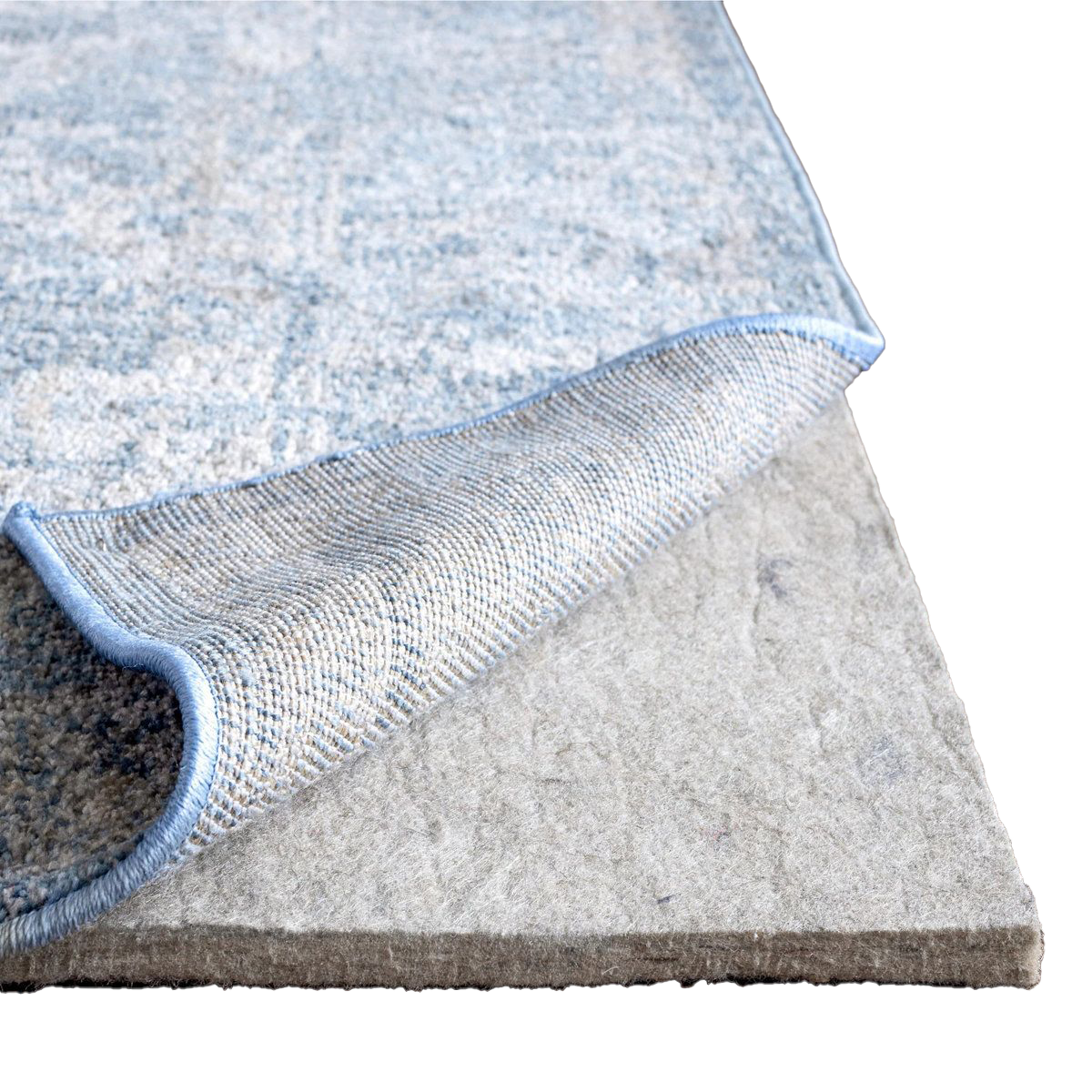
A rug pad should always be slightly smaller than the area rug itself.
As a general guideline:
Choose a rug pad that is about 1–2 inches smaller on all sides than the rug. This keeps the pad hidden from view and prevents it from showing around the edges. It also helps the rug sit flat and clean against the floor
Using a rug pad that’s the same size as the rug — or larger — can lead to visible edges, curling corners, and tripping hazards. If needed, rug pads can be trimmed to fit, which is often better than sizing up.
Rug Pad Shopping Guide
If you’ve decided a rug pad makes sense for your space, I’ve put together a short digital shopping list with reliable options based on different flooring types and comfort needs.
This includes:
Shopping List
The Bottom Line
Rug pads aren’t about following a rule — they’re about improving how a rug performs in your home.
If your rug slides, feels thin, or could use a bit more softness underfoot, a rug pad is often worth considering. If none of those apply, you may not need one at all.
Understanding why a rug pad helps makes it much easier to decide whether it’s right for your space.
Affiliate Disclosure
Some of the links in this post are affiliate links. This means that if you choose to make a purchase through one of these links, I may earn a small commission at no additional cost to you. I only share products that I genuinely believe are well-made and useful, and any recommendations are based on my professional experience as an interior designer.
Affiliate links help support the time and effort that goes into creating helpful, free content like this. Thank you for your support.