Eclectic Southwest Home Office Ideas: How to Design a Warm, Collected Workspace
Working from home isn’t just about having a desk and a good Wi-Fi connection. The space you work in directly affects your focus, creativity, and even your mood throughout the day. A thoughtfully designed home office can energize you, ground you, and make long hours feel more intentional rather than draining.
If you’re drawn to warmth, texture, and personality—but don’t want your workspace to feel overly themed or cliché—an eclectic Southwest approach may be exactly what you’re looking for.
Eclectic Southwest style blends earthy desert tones, layered textiles, handcrafted details, and a mix of global influences. It’s relaxed but curated. Warm but not heavy. Expressive without feeling chaotic. When done well, it creates a workspace that feels collected over time rather than purchased all at once.
In this post, I’ll walk you through how to design an eclectic Southwest home office that feels warm, balanced, and functional. I’ll also break down one of my own 3D design concepts to show you how the elements work together—and share a curated shopping list so you can recreate the look in your own space.
Let’s build a workspace that works for you.
What Is Eclectic Southwest Style?
Eclectic Southwest style draws inspiration from the colors and textures of the American desert—but with a layered, collected approach that feels personal rather than predictable.
At its core, Southwest design is grounded in nature. Think sunbaked clay, desert sand, muted sage, rust, warm browns, and deep terracotta. These tones create warmth and depth without overwhelming the space. But when you add an eclectic twist, the look becomes more dynamic and curated.
Instead of leaning heavily into traditional Western motifs or overly rustic elements, eclectic Southwest style blends:
Earthy, mineral-inspired color palettes
Natural materials like wood, leather, jute, wool, and clay
Textiles with subtle geometric or tribal-inspired patterns
A mix of global influences layered thoughtfully
Vintage or handmade pieces that add character
The key word here is balance.
Too much Southwest and the space can feel themed. Too much eclectic layering without structure and it starts to feel chaotic. The goal is to create a workspace that feels warm and grounded—but still refined enough to support focus and productivity.
In a home office especially, this balance matters. You want visual interest and personality, but you also need clarity and calm. The right mix of texture, color, and structure creates a room that energizes you without distracting you.
In the next section, I’ll break down how these principles come together in a real design concept and explain the decisions behind each element.
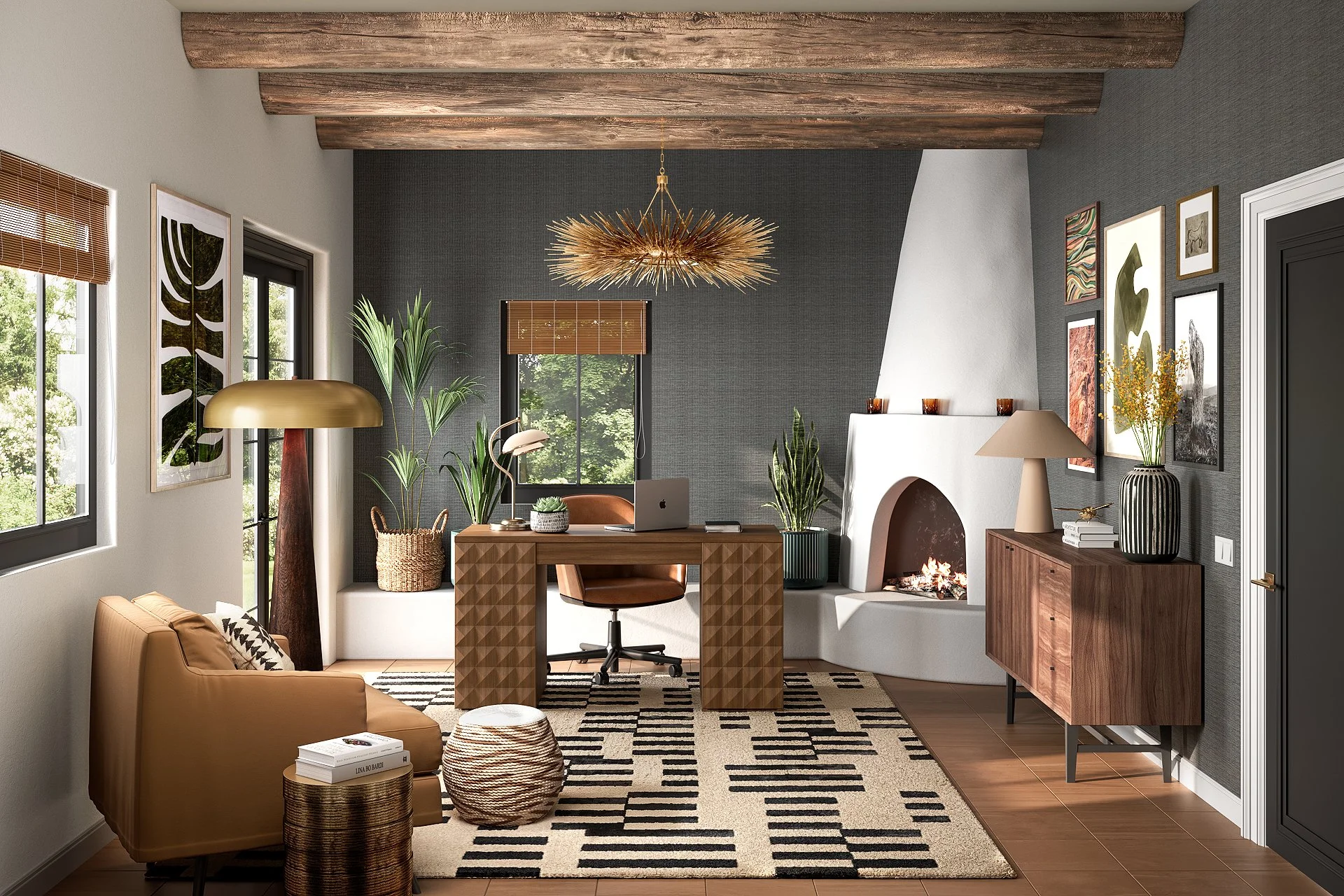
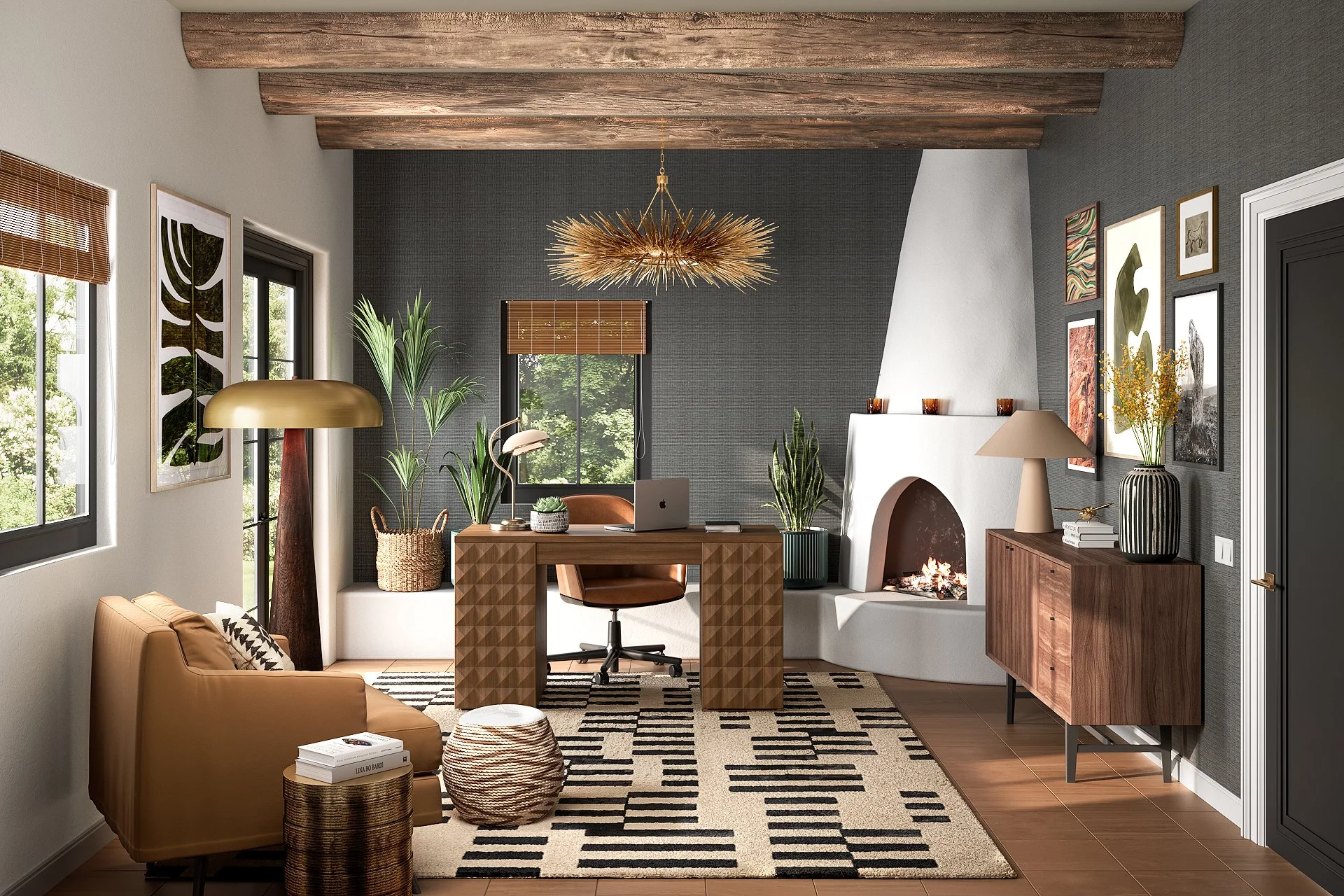
Eclectic Southwest home office designed by virtual interior designer Joshua Jones of JJones Design Co., featuring layered textures, warm wood tones, and a modern adobe-style fireplace.
Design Breakdown: How the Elements Work Together
When designing an eclectic Southwest home office, the goal isn’t to layer “Southwest” decor on top of a neutral room. It’s about building the space intentionally from the ground up — starting with structure, then adding warmth, then adding personality.
Here’s how the elements come together in this design.
1. Start with Architectural Warmth
The exposed wood ceiling beams immediately ground the room. They introduce warmth and texture before any furniture is added. Wood overhead creates visual depth and prevents the space from feeling flat, especially when paired with darker wall tones.
If your home office is on the smaller side, creating visual depth through contrast and layering can make a noticeable difference. I break down more strategies in my guide on how to make a small room look bigger without knocking down walls.
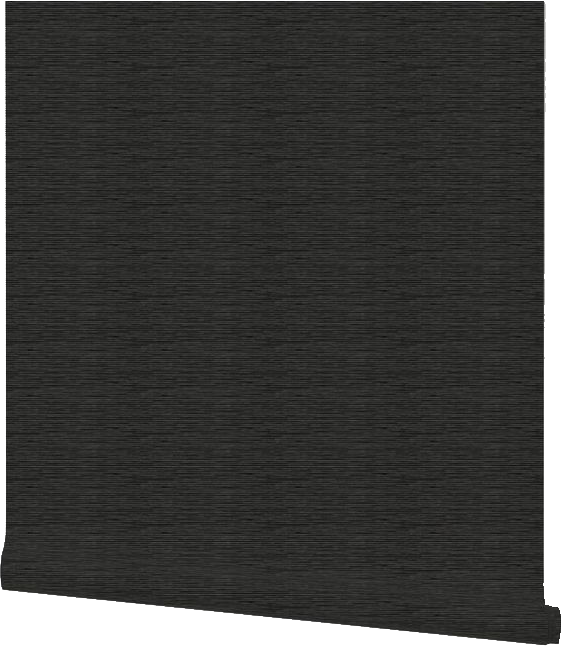
Instead of bright white walls, the deeper neutral backdrop adds contrast and allows the natural materials to stand out. Southwest style works best when the walls feel rich and slightly moody rather than stark.
2. Anchor the Room with Pattern
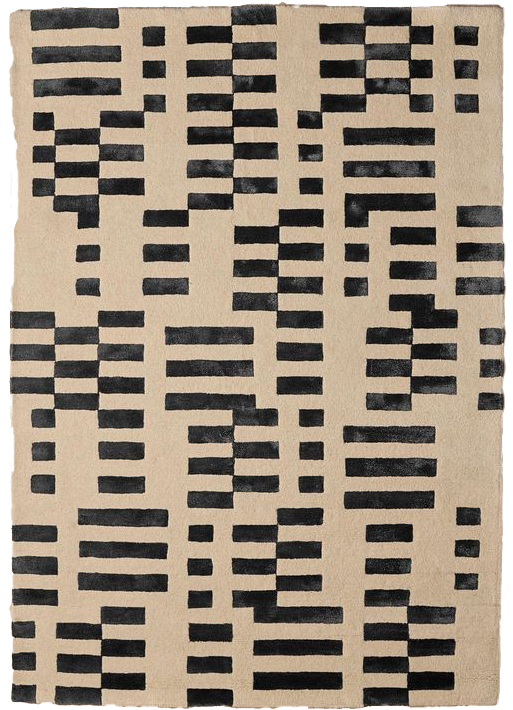
The black and cream geometric rug is doing more work than people realize.
It defines the workspace, adds movement, and introduces subtle tribal influence without becoming literal or themed. The key is restraint — the pattern is strong, but the color palette is controlled. That keeps the room sophisticated rather than busy.
If you remove the rug, the room loses its personality. That’s how you know it’s essential.
3. Balance Carved Wood with Clean Lines
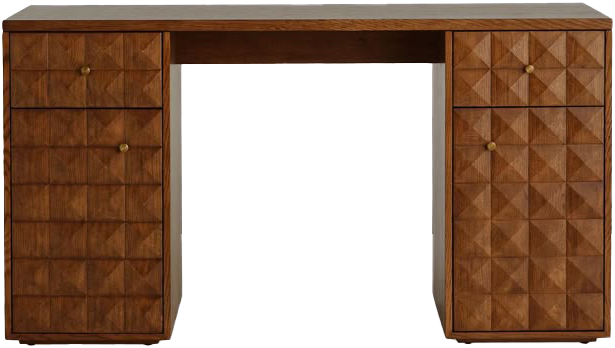
The carved wood desk brings texture and artistry, but its overall silhouette remains modern and structured. That balance is important. Too much ornamentation and the room would lean rustic. Too sleek and it would lose warmth.
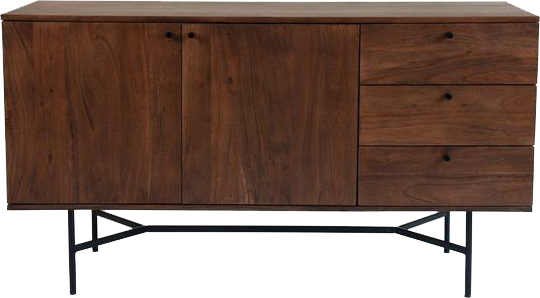
The sideboard reinforces the wood tones without matching the desk exactly. Slight variation keeps the space feeling collected rather than purchased as a set.
4. Layer Natural Materials
Leather, woven fibers, ceramic, wood — these materials build depth without relying on bright color.
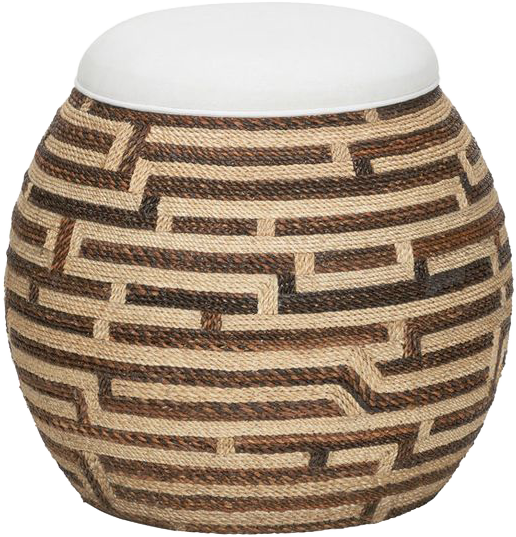
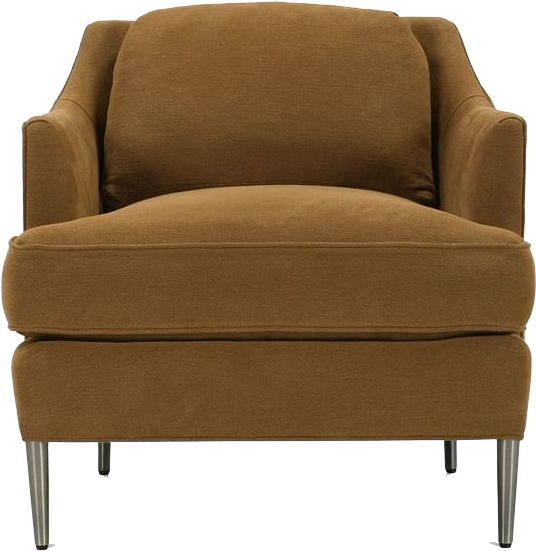
The leather lounge chair introduces a warm camel tone that complements the desk while adding comfort. The woven basket and textured pouf soften the harder surfaces. The ceramic table lamp and fireplace structure add contrast through shape and finish.
This layering is what makes the space feel lived-in rather than staged.
5. Use the Fireplace as a Focal Point
The modern adobe-style fireplace gives the room architectural identity. Its soft curves contrast with the geometric rug and structured desk. That contrast keeps the room visually interesting.
Southwest design often leans heavily into arches and curves. Here, the curve is intentional and controlled — just enough to create character without overpowering the space.
Color Palette Strategy: Why These Desert Tones Work
Color is what makes an eclectic Southwest home office feel grounded rather than trendy.
In this design, the palette isn’t loud or overly saturated. Instead, it pulls from natural desert references — sunbaked clay, warm camel leather, aged wood, charcoal stone, and soft sand tones. These colors feel layered and organic because they exist together in nature.
The darker wall color plays an important role. It creates depth and contrast, allowing the lighter fireplace, rug, and wood elements to stand out. Without that contrast, the room would feel flat and predictable.
The camel leather chair introduces warmth without competing for attention. It’s strong enough to anchor the space but neutral enough to work with the wood desk and sideboard. When working with Southwest-inspired palettes, this is key: choose one warm accent tone and let everything else support it.
The black detailing in the rug and window trim adds structure. Southwest spaces can easily feel soft and earthy; adding black introduces definition and keeps the design from drifting into rustic territory.
You’ll also notice what’s not here — bright turquoise or heavy red accents. While those colors are historically tied to Southwest design, using them too literally can make a space feel themed. A modern eclectic approach relies more on muted, mineral-based tones rather than bold primary color hits.
When building your own palette, think in layers:
One grounding dark tone
Two to three warm neutrals
One accent that feels natural rather than decorative
Subtle black or charcoal for contrast
If the palette feels calm and cohesive before you add accessories, you’re on the right track.
Common Mistakes to Avoid When Designing a Southwest Home Office
Southwest-inspired spaces can feel warm and layered — or heavy and overly themed. The difference comes down to restraint and proportion.
Here are the most common mistakes I see.
1. Going Too Literal
Cactus motifs, steer skull art, bold turquoise accessories, and heavy red accents can quickly push a space into novelty territory.
The goal isn’t to recreate a desert lodge. It’s to interpret the warmth and texture of the Southwest in a refined way. Choose one or two subtle references and let the rest of the design stay grounded in natural materials.
When every piece announces “Southwest,” the room loses sophistication.
2. Matching Wood Tones Too Perfectly
In an effort to keep things cohesive, many people try to match every wood finish exactly. That actually flattens the space.
Eclectic design works because of variation. Warm walnut, slightly lighter oak, or darker stained wood can coexist — as long as the undertones complement each other. Variation creates depth and makes the room feel collected over time rather than purchased as a set.
3. Overloading on Pattern
Geometric textiles are beautiful in Southwest design, but layering too many bold patterns can overwhelm a workspace.
In a home office, clarity matters. Anchor the room with one strong patterned rug or textile, then let the rest of the elements breathe. A calm visual field supports focus — especially in a room meant for productivity.
4. Ignoring Contrast
If everything in the room stays within the same warm beige or brown family, the space can start to feel muddy.
Adding darker contrast — through window trim, metal finishes, or subtle black detailing — gives the eye structure and prevents the room from feeling monotone.
Contrast creates clarity.
5. Prioritizing Style Over Function
This is especially important in a home office. A beautiful chair that isn’t comfortable or a desk that doesn’t support your workflow will quickly become frustrating.
Southwest warmth should enhance your workspace — not compromise it. Always start with layout and ergonomics before layering in decorative elements.
Joshua’s Top Picks: Shop the Look
Designing an eclectic Southwest home office isn’t about filling a room with themed decor. It’s about selecting pieces that bring warmth, texture, and structure — and allowing them to work together.
Here are the key elements that define this look and why each one matters.
A Carved or Textured Wood Desk
The desk is the anchor of the room. In this design, the carved wood desk introduces artistry and depth without overpowering the space. Look for a piece with subtle detailing — something that feels handcrafted rather than mass-produced.
Avoid overly ornate silhouettes. Clean lines with textural detail strike the right balance between eclectic and refined.
A Geometric Rug in a Neutral Palette
A patterned rug grounds the entire workspace. Black and cream geometric designs work especially well because they add movement without competing with the warm wood tones.
Choose a rug that feels structured but not busy. It should define the office area while still allowing the rest of the room to breathe.
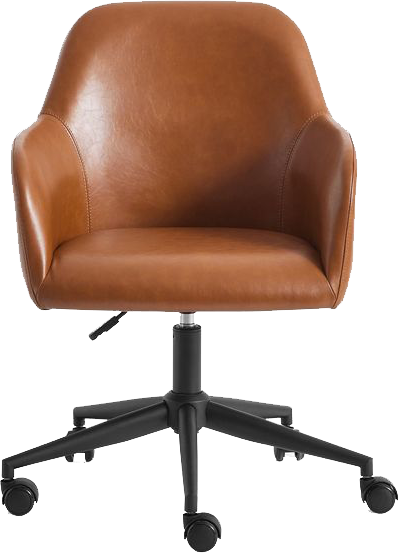
A Warm Leather Accent Chair
Leather adds richness and softness at the same time. A camel or saddle tone works beautifully with desert-inspired palettes and pairs effortlessly with wood furniture.
This is where comfort matters most. A lounge-style chair makes the room feel inviting while still maintaining sophistication.
Layered Lighting
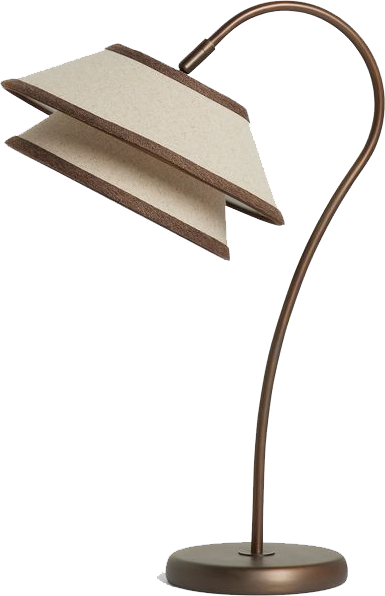
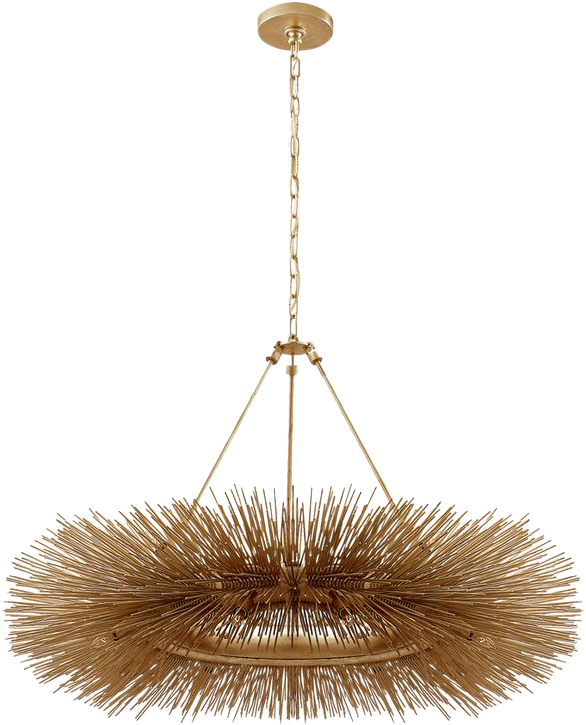
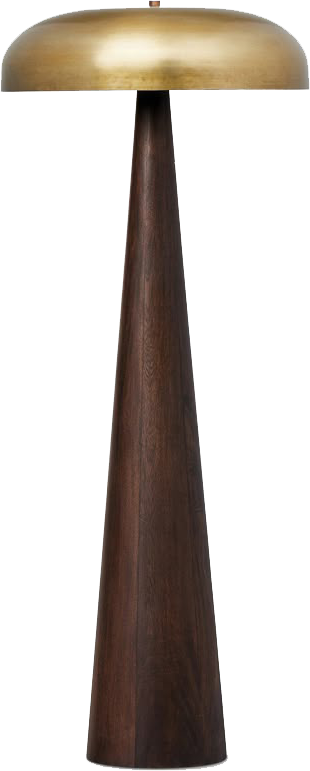
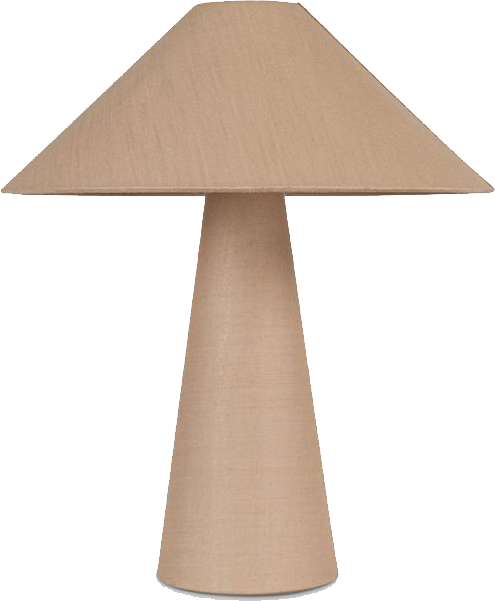
Lighting should feel intentional, not purely functional. A ceramic or textured table lamp introduces subtle sculptural contrast. If the room allows, adding warm-toned bulbs will enhance the overall depth of the palette.
Avoid overly industrial fixtures — Southwest warmth leans organic rather than stark.
Natural Accessories
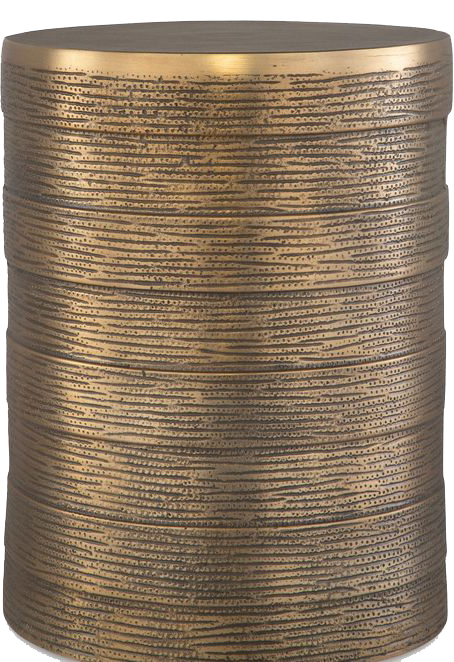
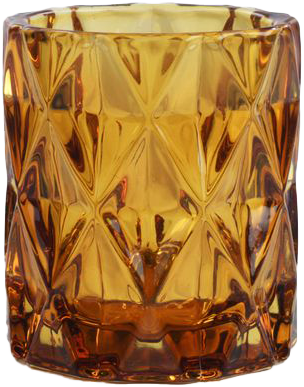
Woven baskets, textured poufs, ceramic vessels, and subtle greenery help soften the harder architectural elements.
The key is restraint. Choose a few meaningful pieces rather than scattering decorative objects everywhere.
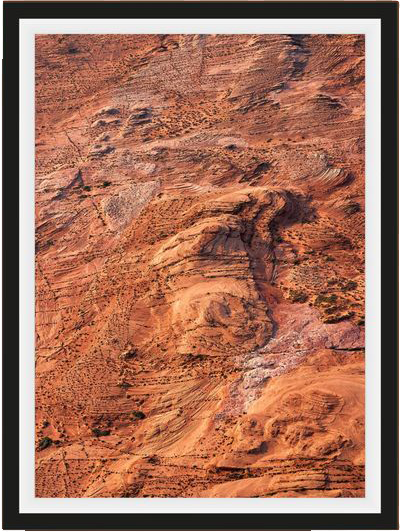
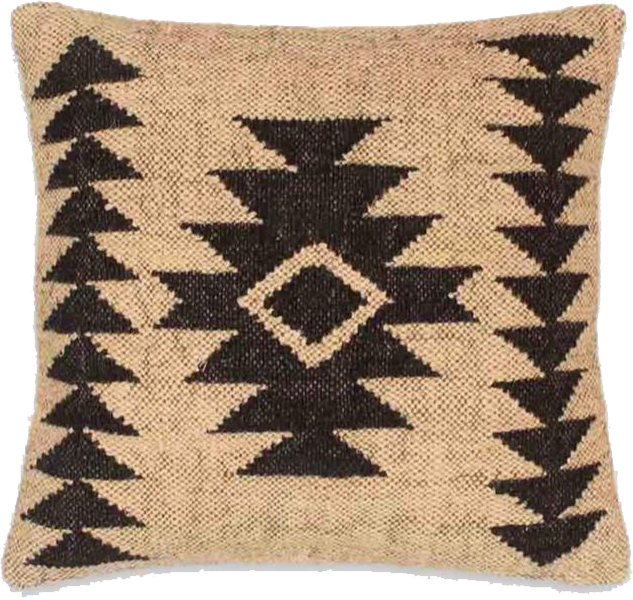
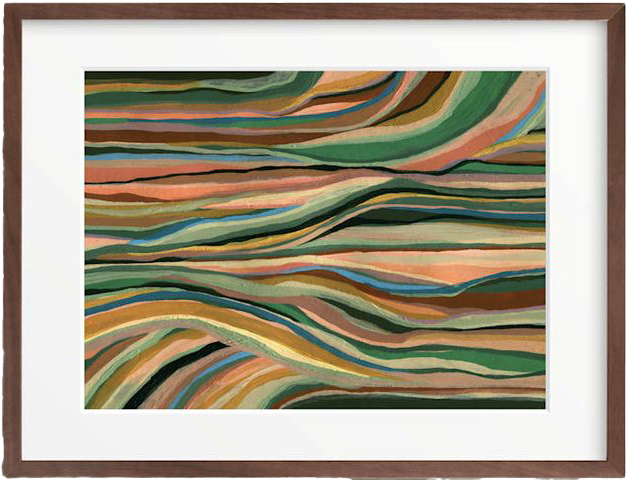
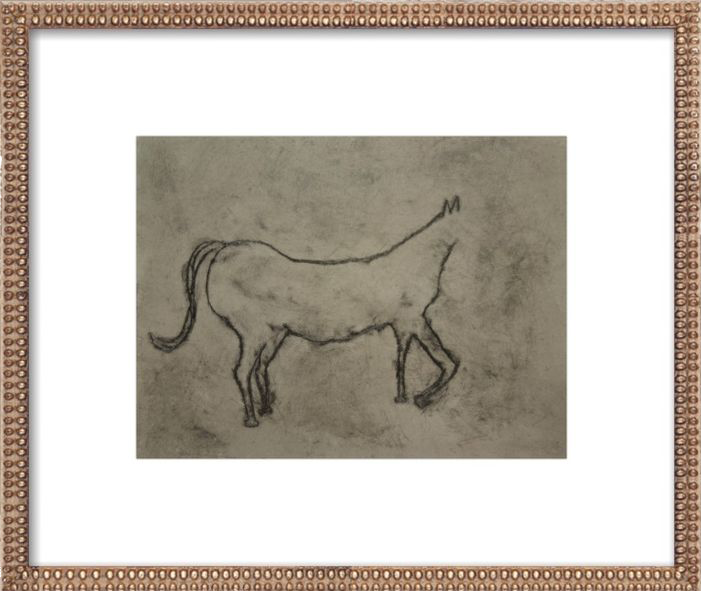
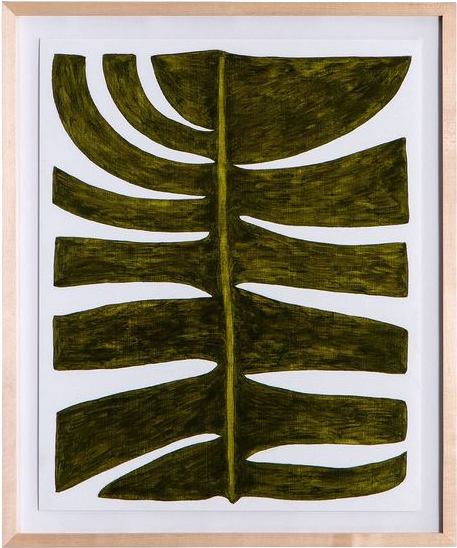
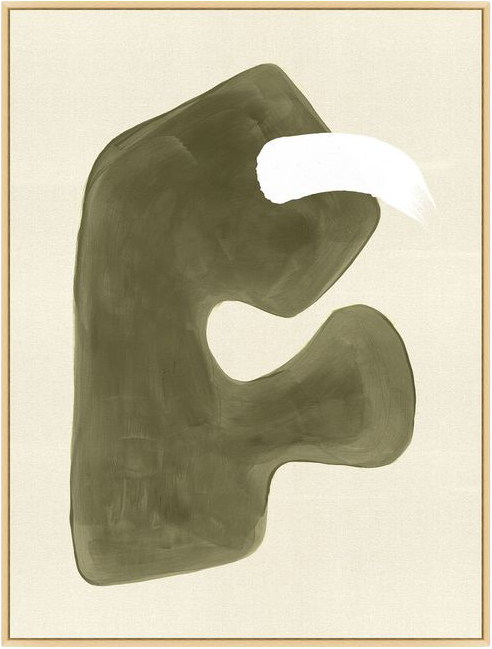
You can explore the full digital shopping list below to see the exact pieces used in this design and how they work together to create this eclectic Southwest home office.
Shopping LiST


Who This Style Is Perfect For
An eclectic Southwest home office isn’t for someone who wants a stark, ultra-minimal workspace. It’s for someone who values warmth, texture, and personality — but still wants their space to feel thoughtful and composed.
This style works especially well for:
Creatives who want their workspace to feel inspiring rather than corporate
Professionals working from home who want sophistication without cold minimalism
Anyone drawn to earthy tones but unsure how to use them without overwhelming a room
Homeowners who appreciate layered interiors that feel collected over time
It’s also ideal for spaces that lack architectural interest. Adding texture, warmth, and subtle pattern can instantly give depth to an otherwise flat room.
What makes this approach successful isn’t the individual pieces — it’s the balance. The interplay between dark and light. Texture and structure. Warmth and restraint.
That balance is what keeps the space from feeling themed or heavy.
If you love the idea of an eclectic Southwest home office but aren’t sure how to layer materials, choose the right tones, or scale the look to your specific room, that’s exactly where thoughtful design guidance makes the difference.
If you’d like personalized guidance tailored to your space, you can explore my virtual interior design services here.
A well-designed home office should support how you work — not just how it photographs.
Affiliate Disclosure: This post may contain affiliate links, which means I may earn a small commission if you purchase through them — at no additional cost to you. I only share products I genuinely believe in and would use in my own designs.