Rounded vs Square Drywall Corners: Which Is Right for Your Home?
When building or remodeling a home, most people focus on the bigger design decisions like flooring, cabinetry, countertops, paint colors, lighting, and furniture. But there is one small architectural detail that can quietly change the overall feel of a home more than many people realize — drywall corners.
Over the years, I’ve lived in homes with both traditional square drywall corners and rounded drywall corners (also known as bullnose corners), and each one creates a very different look and experience within a space. While this detail may seem minor at first, it can affect everything from the architectural style of a home to wall treatments, maintenance, accessibility, and even how soft or sharp a room feels visually.
Some homeowners love the clean and modern appearance of square corners, while others prefer the softer and more organic look of rounded corners. Neither option is automatically “better” than the other because both come with advantages and disadvantages that are worth thinking about before construction or remodeling begins.
In this blog post, I’m sharing my personal experiences along with design considerations that many homeowners may not think about until after the drywall is already installed. From wallpaper and accent walls to safety, durability, and overall aesthetics, here’s what to know before deciding which drywall corner style is right for your home.
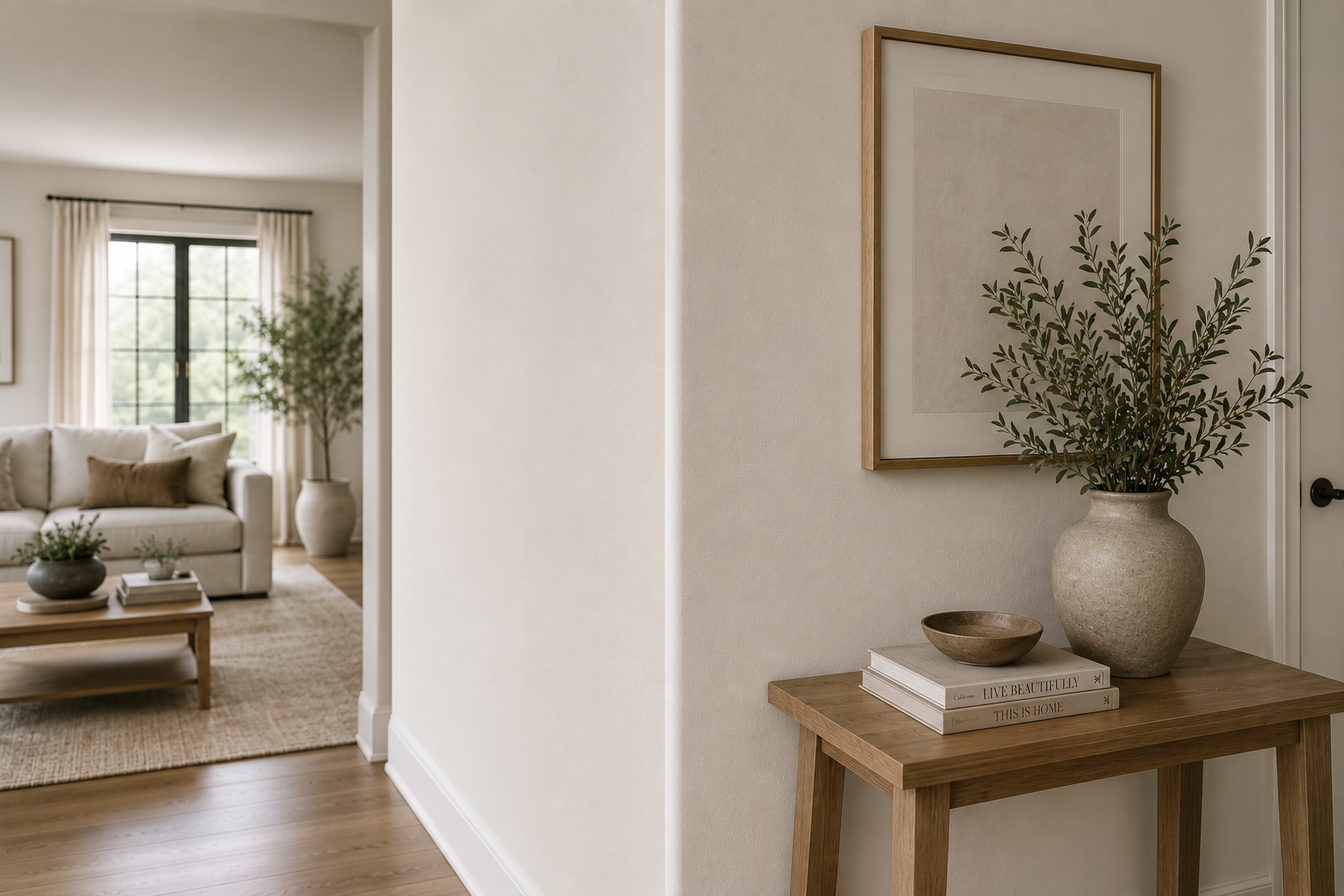
AI-generated image showing the subtle visual difference between rounded and square drywall corners in a modern home hallway.
What Are Rounded and Square Drywall Corners?
Traditional square drywall corners feature sharp 90-degree edges where two walls meet. This has become the standard look in many modern, contemporary, Scandinavian, and minimalist homes because the crisp edges create a cleaner and more architectural appearance. Square corners also help emphasize strong lines throughout a space, especially when paired with flat stock trim, modern cabinetry, large windows, and minimal detailing.
Rounded drywall corners, often referred to as bullnose corners, have a softened curved edge instead of a sharp angle. These corners became especially popular in many homes built during the late 1990s and early 2000s, particularly in Mediterranean, Tuscan, Southwestern, and some traditional-style homes. However, rounded corners are not limited to older design trends. In the right setting, they can still feel timeless, warm, and architectural when thoughtfully integrated into a home’s overall design.
While the difference may seem subtle on paper, drywall corners can significantly influence how a home feels visually. Rounded corners tend to create a softer and more relaxed atmosphere, while square corners usually feel sharper, cleaner, and more structured. This is one of those architectural details that many people may not consciously notice at first, but it often contributes to why a home feels either cozy and organic or sleek and modern. Similar to other subtle architectural details, drywall corners can also help make a home feel more custom and thoughtfully designed instead of builder-basic.
Neither option is permanently tied to one specific design style. The key is understanding how each corner style works with the architecture of the home, the materials being used, and the overall feeling you want the space to create. If you enjoy these types of subtle architectural upgrades, you may also enjoy reading my blog post about how to make a cookie-cutter home feel more custom without a full renovation.
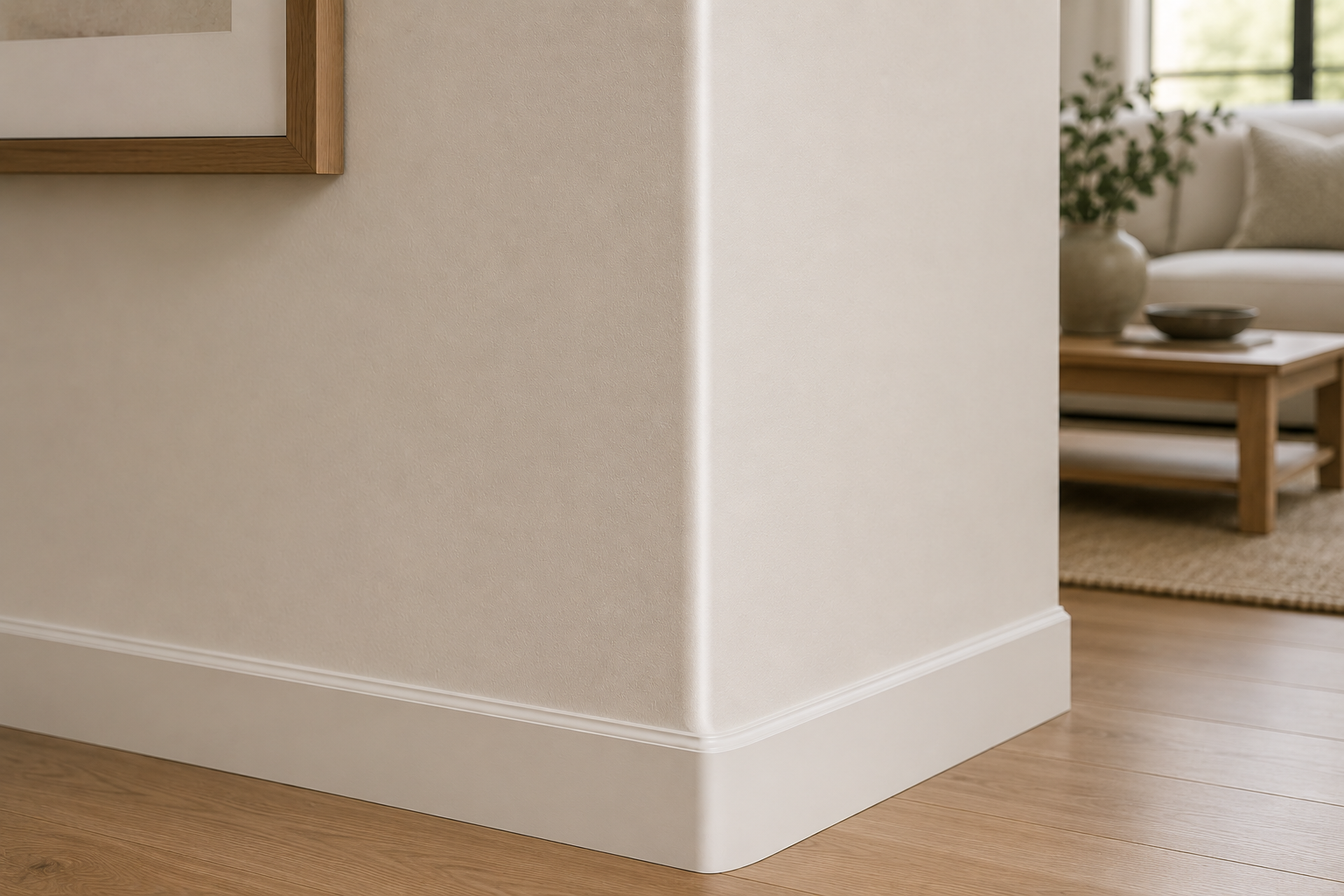
AI-generated close-up image of a rounded drywall corner in a modern neutral-toned interior.
The Pros of Rounded Drywall Corners
One of the biggest advantages of rounded drywall corners is how much softer and more relaxed they can make a home feel. Because there are no sharp edges where walls meet, spaces often feel more organic and visually fluid. This is one reason rounded corners work especially well in homes with Mediterranean, Spanish, Tuscan, Southwestern, Adobe-style, and some Organic Modern influences where softer architectural lines are part of the overall design language.
Rounded corners can also help a home feel less harsh visually, particularly in spaces with a lot of drywall, long hallways, or large open walls. In certain homes, square corners can sometimes make a space feel overly rigid or boxy, while rounded corners introduce a subtle softness that helps balance the architecture.
Another advantage that many people overlook is safety and accessibility. Rounded corners remove the sharp edge found on traditional square corners, which can help reduce the severity of injuries from accidental bumps or falls. This can be especially beneficial in homes with young children, older adults, or individuals with certain disabilities or mobility challenges. While no drywall corner completely prevents injuries, rounded corners can create a slightly more forgiving environment in everyday living spaces.
Rounded corners may also show less visible wear over time in some homes. Sharp square corners are more prone to visible chipping or denting along the edge when repeatedly hit by furniture, vacuums, or everyday traffic. Because rounded corners do not have a sharp edge point, minor imperfections can sometimes appear less noticeable.
In the right home, rounded corners can also contribute to a more custom architectural appearance. When paired with archways, curved transitions, textured plaster walls, or softer design details, they can help create a home that feels more intentional and less builder-basic.
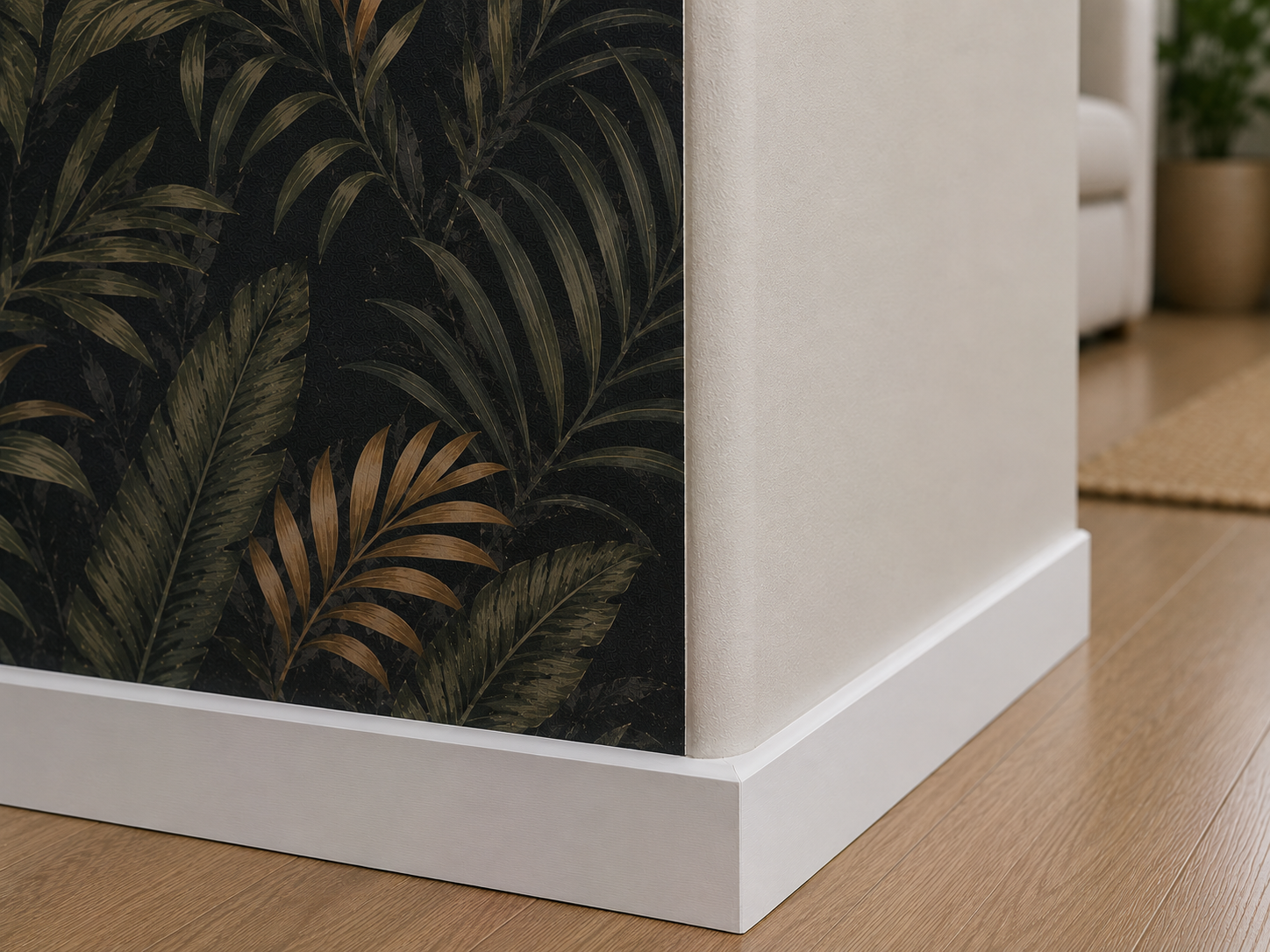
AI-generated close-up image showing how wallpaper transitions can appear awkward on rounded drywall corners.
The Cons of Rounded Drywall Corners
While rounded drywall corners can add softness and character to a home, they are not always the best fit for every architectural style or design preference. One of the biggest drawbacks is that rounded corners can sometimes make a home feel visually dated, especially when combined with design trends that were heavily used in the late 1990s and early 2000s. In some homes, rounded corners may immediately remind people of Tuscan-inspired interiors, heavy textured walls, dark wood cabinetry, or other older builder-grade trends from that era.
Rounded corners can also create challenges when it comes to accent walls, wallpaper, and paint transitions. Because there is no crisp edge where walls meet, it can be more difficult to create a clean stopping point for wallpaper or contrasting paint colors. This is especially noticeable with bold accent walls, geometric wallpaper patterns, dark paint colors, decorative wall trim, or modern design styles that rely on sharp visual lines. In many cases, the transition around a rounded corner can feel softer or less precise than intended.
Another consideration is how rounded corners work with modern architecture. While there are exceptions, many contemporary, minimalist, Scandinavian, and modern homes tend to look better with square drywall corners because sharp edges reinforce the clean architectural lines that define those styles. Rounded corners can sometimes soften the space too much and reduce the crisp appearance that many homeowners want in modern interiors.
Trim work is another detail that homeowners should think about before choosing rounded corners. Crown molding, baseboards, wall trim, and other millwork details typically align more naturally with square corners. With rounded drywall corners, there is often a visible gap or awkward transition where the trim meets the curved edge, which usually requires additional caulking or filler to make it look more finished. Depending on the installation quality, this can sometimes appear less clean and precise compared to traditional square corners.
Furniture placement and wall décor can occasionally become slightly more complicated as well. While the difference is usually minor, certain built-ins, cabinetry details, floating shelves, or trim installations may look cleaner against square corners depending on the design. Modern wall molding layouts and highly symmetrical designs also tend to align more naturally with sharp edges rather than curved transitions.
Although rounded corners can sometimes hide minor wear better visually, they are not immune to damage. If furniture or large objects accidentally bump against a rounded corner during moving or everyday use, the paint can still chip or peel along the curved edge. Touch-up paint is usually needed afterward to repair the damaged area and restore a clean appearance.
Another thing worth mentioning is resale perception. Design trends change over time, and some buyers may see rounded corners as charming and architectural while others may immediately associate them with older home trends. This does not necessarily hurt resale value, but it can influence how updated or modern a home feels to potential buyers depending on the overall style of the property.
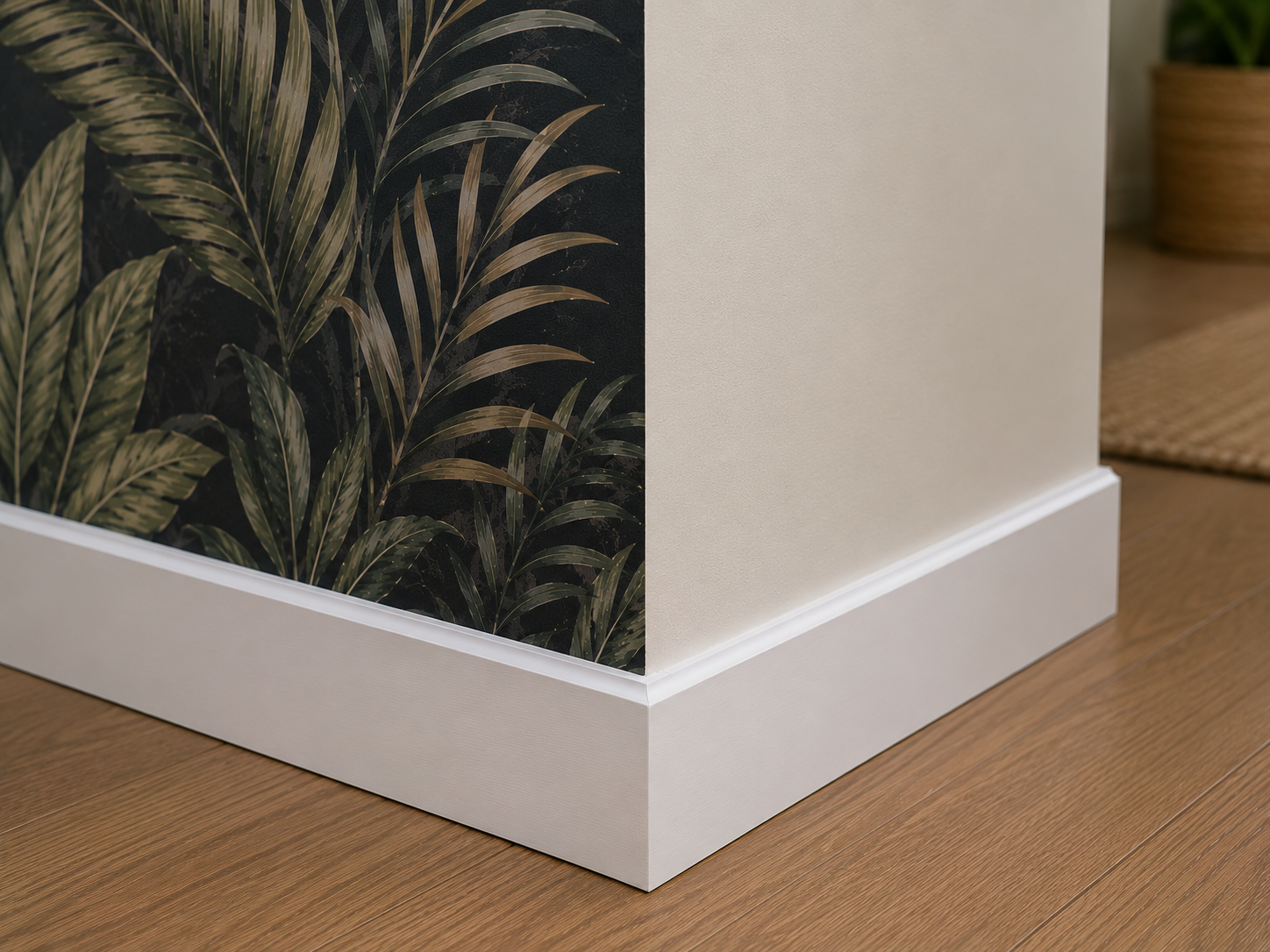
AI-generated close-up image showing how wallpaper and paint transitions appear cleaner on a square drywall corner.
The Pros of Square Drywall Corners
Square drywall corners have become the standard choice in many modern homes for good reason. Their clean 90-degree edges create a sharper and more architectural appearance that works especially well in contemporary, Scandinavian, minimalist, transitional, and modern organic interiors. In homes where clean lines and simplicity are part of the overall design direction, square corners often help reinforce that aesthetic throughout the space.
One of the biggest advantages of square corners is how well they work with modern finishes and wall treatments. Accent walls, wallpaper, contrasting paint colors, wall molding, limewash finishes, and decorative trim tend to look cleaner and more defined because there is a crisp edge where materials can naturally stop and transition. This becomes especially important in homes that use bold paint colors, geometric patterns, or layered wall details that rely on visual precision.
Square corners also pair more naturally with crown molding, baseboards, custom millwork, cabinetry, and built-in features. Because the trim can terminate cleanly into a sharp corner, the final result often looks more polished and intentional without needing additional filler or awkward transitions. This is one reason square corners are commonly preferred in homes with more detailed trim work or higher-end custom finishes.
Another advantage is that square corners typically feel more timeless in today’s design market. While design trends always evolve, sharp drywall corners have remained consistent across many different architectural styles over the years. They can adapt well to both minimalist interiors and more layered transitional homes without strongly tying the home to a specific era of design trends.
Square corners can also help smaller spaces feel slightly cleaner and more visually structured. The sharp lines create stronger definition throughout a room, which can make layouts, furniture placement, and architectural details feel more organized and intentional. In open-concept homes especially, those crisp transitions can subtly help define spaces without adding physical barriers.
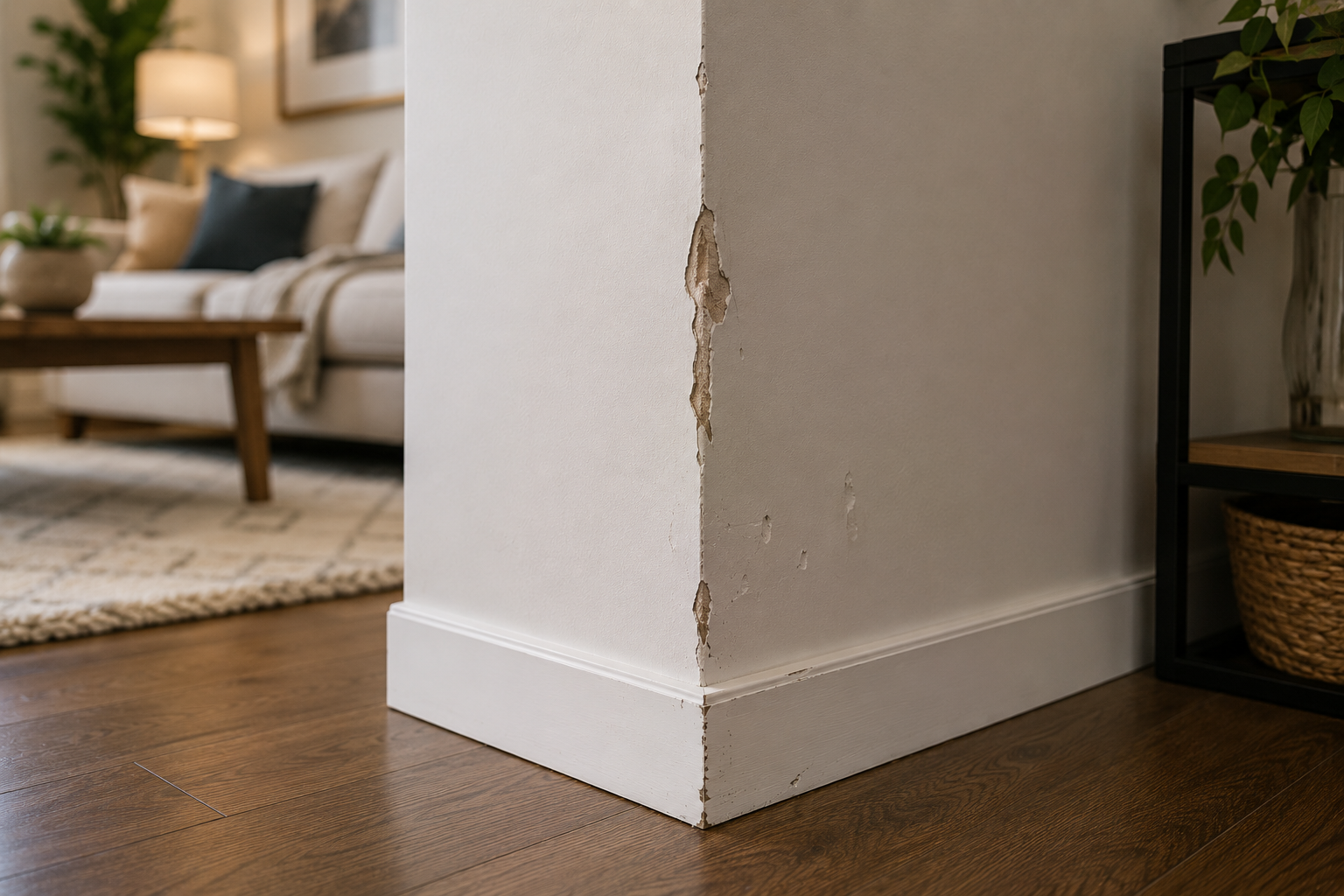
AI-generated close-up image showing how square drywall corners can become chipped and damaged over time from everyday impacts.
The Cons of Square Drywall Corners
While square drywall corners are often associated with modern and timeless design, they also come with a few disadvantages that homeowners should consider before choosing them for a new build or remodel.
One of the biggest drawbacks is that sharp corners are more vulnerable to visible damage over time. Because the edge is crisp and exposed, accidental bumps from furniture, vacuums, luggage, toys, or everyday traffic can easily leave dents, chips, or cracked paint along the corner. In busy households, these imperfections can become noticeable fairly quickly, especially in hallways, entryways, and tighter spaces where corners are more likely to get hit.
Square corners can also feel visually harsher in certain homes. While this structured appearance works beautifully in modern architecture, it may feel too rigid or cold in homes that are designed to feel softer, warmer, or more relaxed. In spaces with Mediterranean, Adobe-style, Southwestern, or heavily curved architectural elements, sharp drywall corners can sometimes feel slightly disconnected from the rest of the home’s character.
Another thing to consider is safety. Because square drywall corners create a sharp edge, they can pose a greater injury risk during accidental falls or impacts compared to rounded corners. This may be an important factor for households with young children, older adults, or individuals with mobility challenges. Although drywall corners are not inherently dangerous, sharp edges are generally less forgiving during accidental contact.
Square corners also tend to highlight imperfections more easily. Uneven drywall finishing, poor paint application, or slight wall inconsistencies are often more visible because the sharp edge draws attention to alignment and precision. Achieving clean square corners usually requires careful drywall work and quality finishing in order to look polished.
In some homes, square corners can also make smaller spaces feel more rigid or boxy depending on the layout and architectural style. While many homeowners appreciate the cleaner appearance, others may prefer the softer visual transitions that rounded corners create throughout a home.
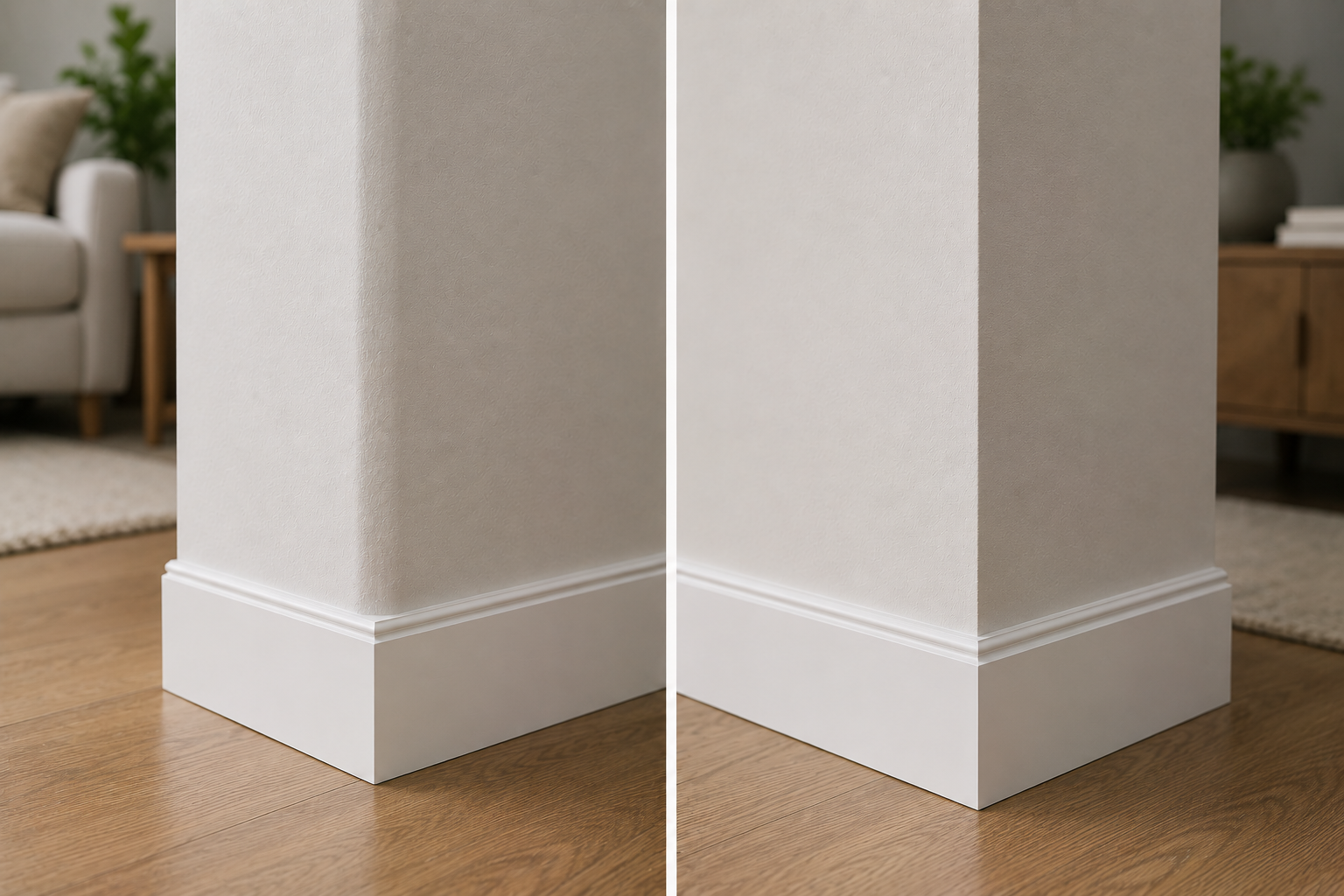
AI-generated side-by-side comparison showing the subtle visual differences between rounded and square drywall corners.
Rounded vs Square Corners for Different Home Styles
The best drywall corner style often depends on the overall architecture of the home rather than simply following current trends. In many cases, one corner style naturally complements the design language of a home better than the other.
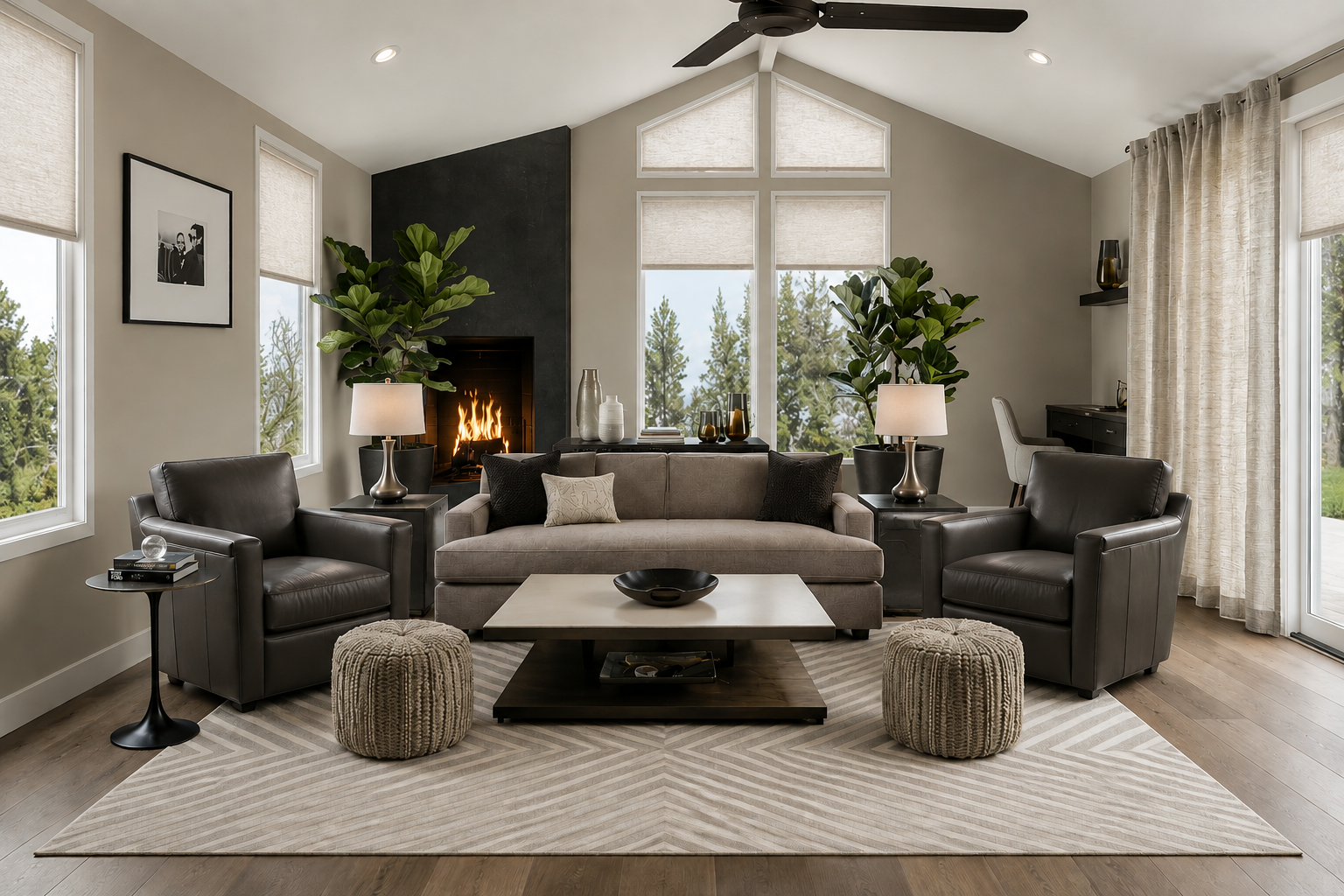
Square drywall corners are usually the better fit for modern, contemporary, Scandinavian, minimalist, industrial, Mid-Century Modern, and many transitional homes. These styles rely heavily on clean lines, crisp edges, and stronger architectural definition. Sharp corners help reinforce that structured appearance and work especially well alongside modern cabinetry, flat stock trim, large windows, slab-style doors, exposed materials, and minimal detailing.
Industrial-style homes and lofts especially tend to benefit from square corners because the sharper edges complement materials like concrete, steel, brick, black metal, and exposed architectural elements. Mid-Century Modern homes can also work beautifully with square corners because they align naturally with the clean geometry and streamlined architectural lines commonly found in that style.
Rounded corners tend to work more naturally in Mediterranean, Spanish, Adobe-style, Southwestern, Tuscan, and some traditional homes where softer architectural lines are already part of the design. Homes with arches, textured plaster walls, curved transitions, rustic finishes, or heavier organic elements often benefit from the softer appearance that rounded corners create.
Craftsman homes can honestly go either direction depending on the architectural details and level of formality within the home. More traditional Craftsman interiors with heavier wood trim, built-ins, and detailed millwork often look better with square corners because the sharp edges align more naturally with the structured trim work. However, some softer or updated Craftsman-inspired homes may still incorporate rounded corners successfully.
Victorian-style homes are another interesting example. Because Victorian homes often feature highly detailed trim, wall molding, millwork, and decorative architectural elements, square corners usually feel more historically appropriate and visually cohesive. Rounded corners can sometimes soften the strong architectural detailing too much in these types of homes.
Organic Modern homes can also go either direction depending on how the space is designed. Some Organic Modern interiors look beautiful with square corners because the clean architectural lines help balance softer furnishings, natural wood tones, and textured materials. Other homes may benefit from rounded corners if the goal is to create a warmer and more sculptural atmosphere with softer transitions throughout the space.
Transitional homes are probably the most flexible because they blend traditional and modern elements together. In these homes, both rounded and square corners can work well depending on the trim details, wall treatments, and overall architectural direction of the house.
One mistake homeowners sometimes make is choosing drywall corners based only on trends without considering the rest of the home’s architecture. Even the most beautiful drywall corner style can feel out of place if it clashes with the overall character of the house. The goal is not simply choosing what is “popular,” but choosing what feels cohesive and intentional for the space as a whole.
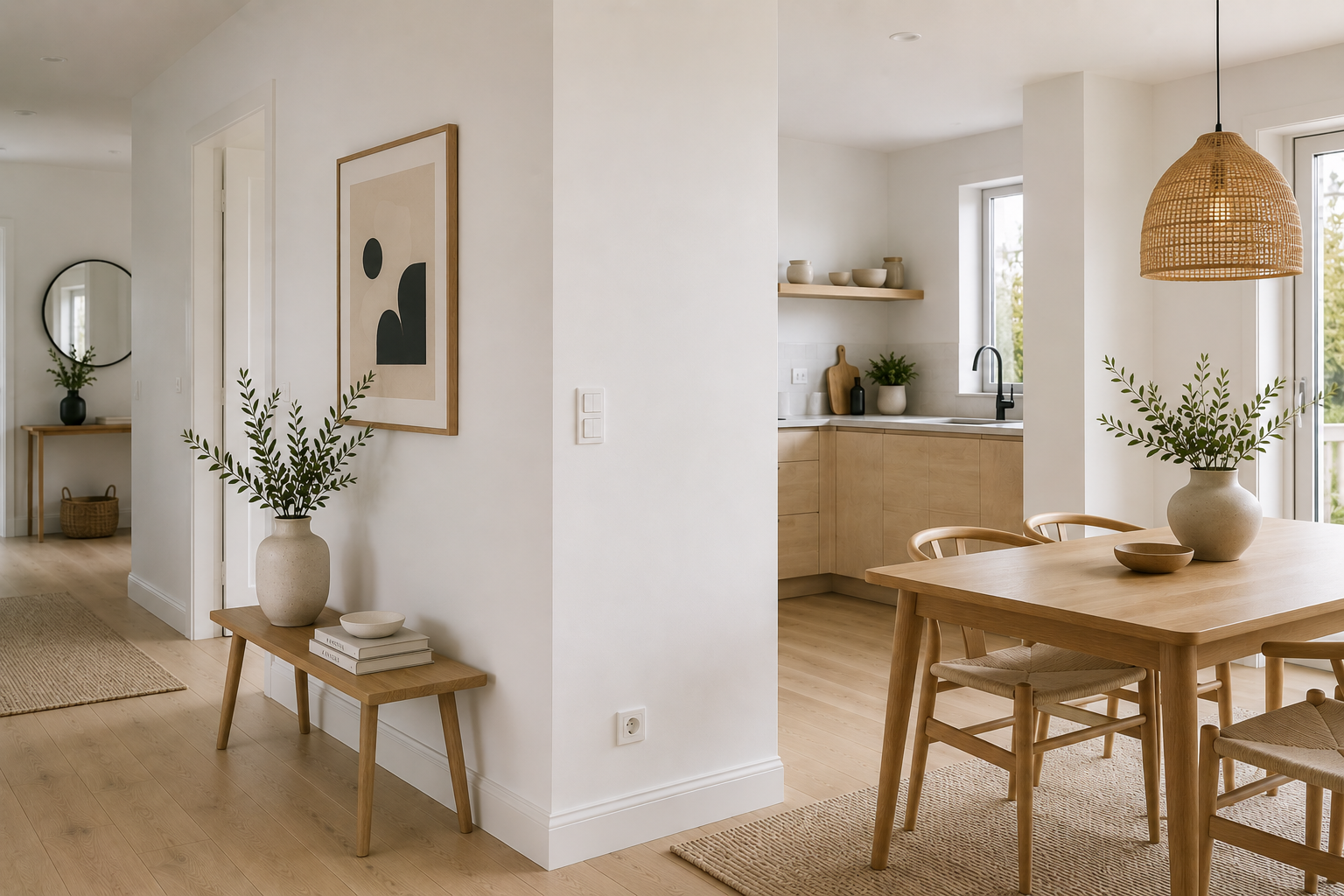
AI-generated Scandinavian-style interior featuring clean square drywall corners and minimalist architectural lines.
Which Drywall Corner Style Feels More Timeless?
At the moment, square drywall corners are generally considered the more current and widely preferred option in many newer homes and remodels. Their sharper appearance aligns closely with the cleaner architectural lines that have dominated residential design in recent years. Because of this, many homeowners automatically associate square corners with a more updated and modern look.
However, timeless design is not always about choosing whatever is currently trending. In reality, both rounded and square corners have gone through popularity cycles over the years, and both can still look beautiful when used intentionally.
One reason rounded corners sometimes get labeled as “dated” is because they became heavily associated with certain builder-grade homes from the late 1990s and early 2000s. During that time, rounded corners were often paired with faux Tuscan finishes, heavy wall textures, dark cabinetry, and ornate detailing that no longer feel current today. As a result, many people connect rounded corners with that specific era rather than viewing them as a standalone architectural feature.
At the same time, square corners are currently everywhere in modern construction, which naturally makes them feel more timeless right now. But design preferences always evolve, and there is a possibility that softer architectural details may continue making a comeback as homeowners move toward warmer and less rigid interiors.
I also think timelessness often comes down to quality and consistency throughout the home. A thoughtfully designed home with cohesive architectural details will usually age better than a home filled with trend-driven finishes, regardless of which drywall corner style is used.
Rather than focusing only on resale trends or what feels “popular” today, I think homeowners should choose the corner style that feels most natural for the way they want their home to look and feel long-term.
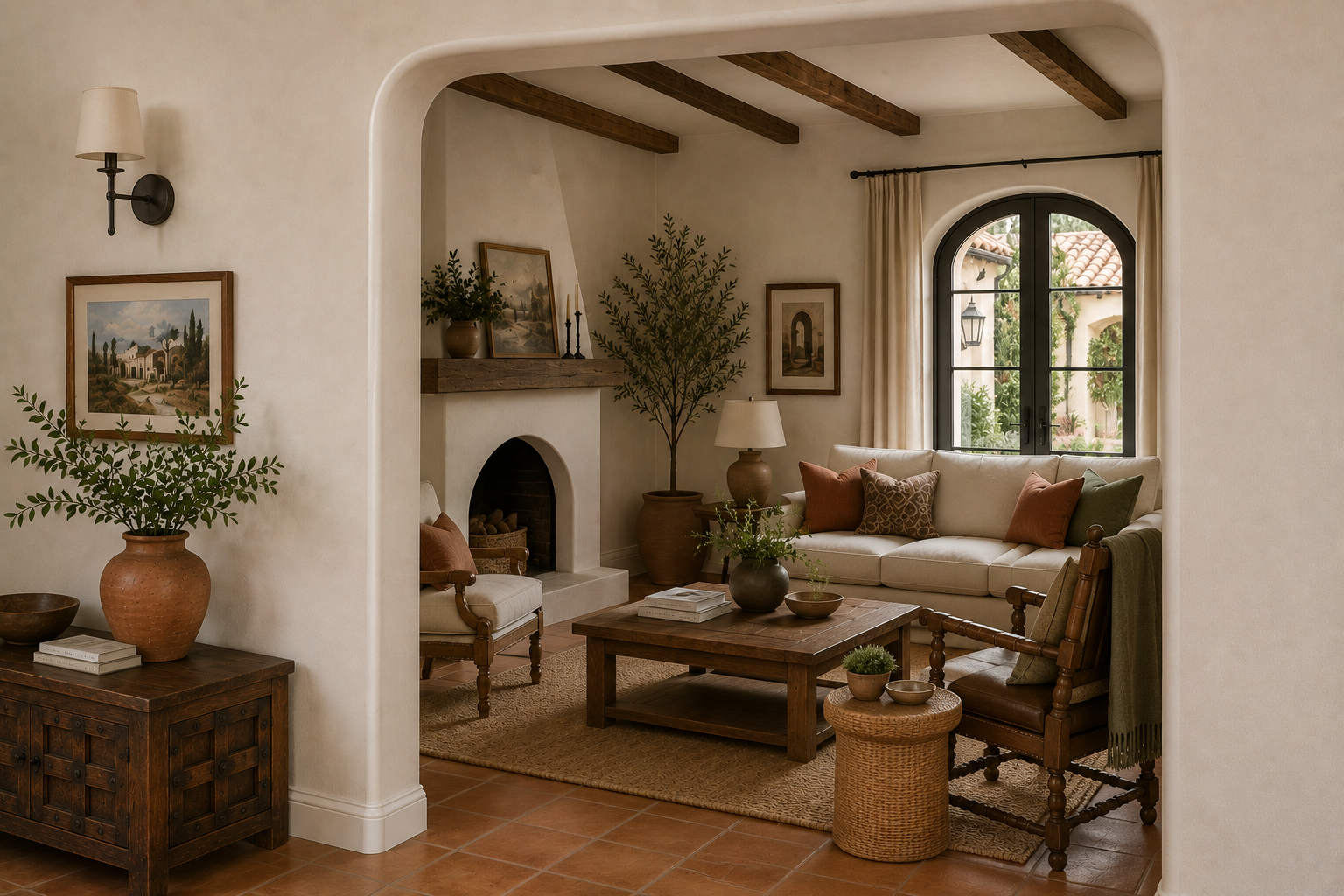
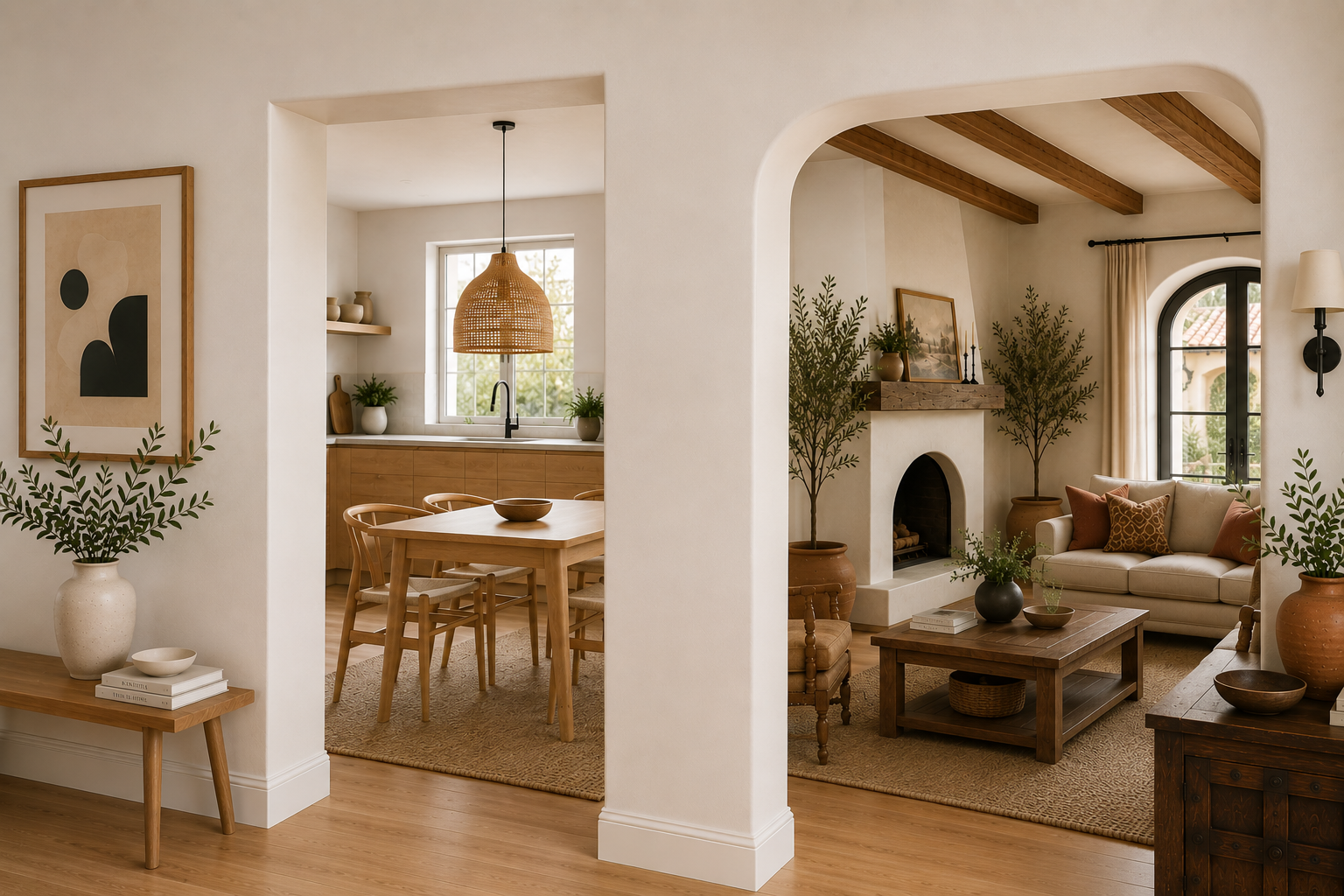
AI-generated Spanish-style living room featuring subtle rounded drywall corners and warm Mediterranean-inspired architectural details.
My Personal Experience Living With Both
After living in homes with both rounded and square drywall corners over the years, I’ve found that this detail affects the overall feeling of a home more than many people expect. It may seem minor during construction or remodeling, but once you live with it every day, you start noticing how it influences the atmosphere, wall treatments, trim details, and even how light and shadows interact throughout a space.
Personally, I’ve grown to appreciate different aspects of both styles depending on the home itself. Rounded corners can create a softer and more relaxed environment that feels less rigid and more approachable. In certain homes, especially those with warmer architectural details or curved elements, rounded corners can help spaces feel more inviting and visually comfortable.
I’ve also noticed that drywall corners can interact differently with lighting throughout a home. Natural light, warm lighting, and shadows can sometimes make rounded corners feel softer and more sculptural, while square corners often emphasize cleaner architectural definition and contrast. The type of lighting you use throughout a home can dramatically influence how these architectural details are perceived visually.
At the same time, I also understand why square corners have become the preferred choice in many newer homes and remodels today. I personally find that square corners tend to work better with wallpaper, accent walls, crown molding, modern trim work, and cleaner architectural detailing overall. They often create a more polished and intentional appearance, especially in homes with contemporary or transitional interiors.
One thing I’ve realized is that neither option is universally right or wrong. What matters most is whether the drywall corner style feels cohesive with the rest of the home rather than feeling like an afterthought. When the architectural details work together naturally, the entire home tends to feel more balanced and thoughtfully designed.
This is also one of those decisions that is much easier to make before drywall installation begins. Once the walls are finished, changing corner styles later can become a fairly messy and expensive project. That’s why I think it’s worth slowing down and thinking through the long-term pros and cons before automatically choosing one option over the other.
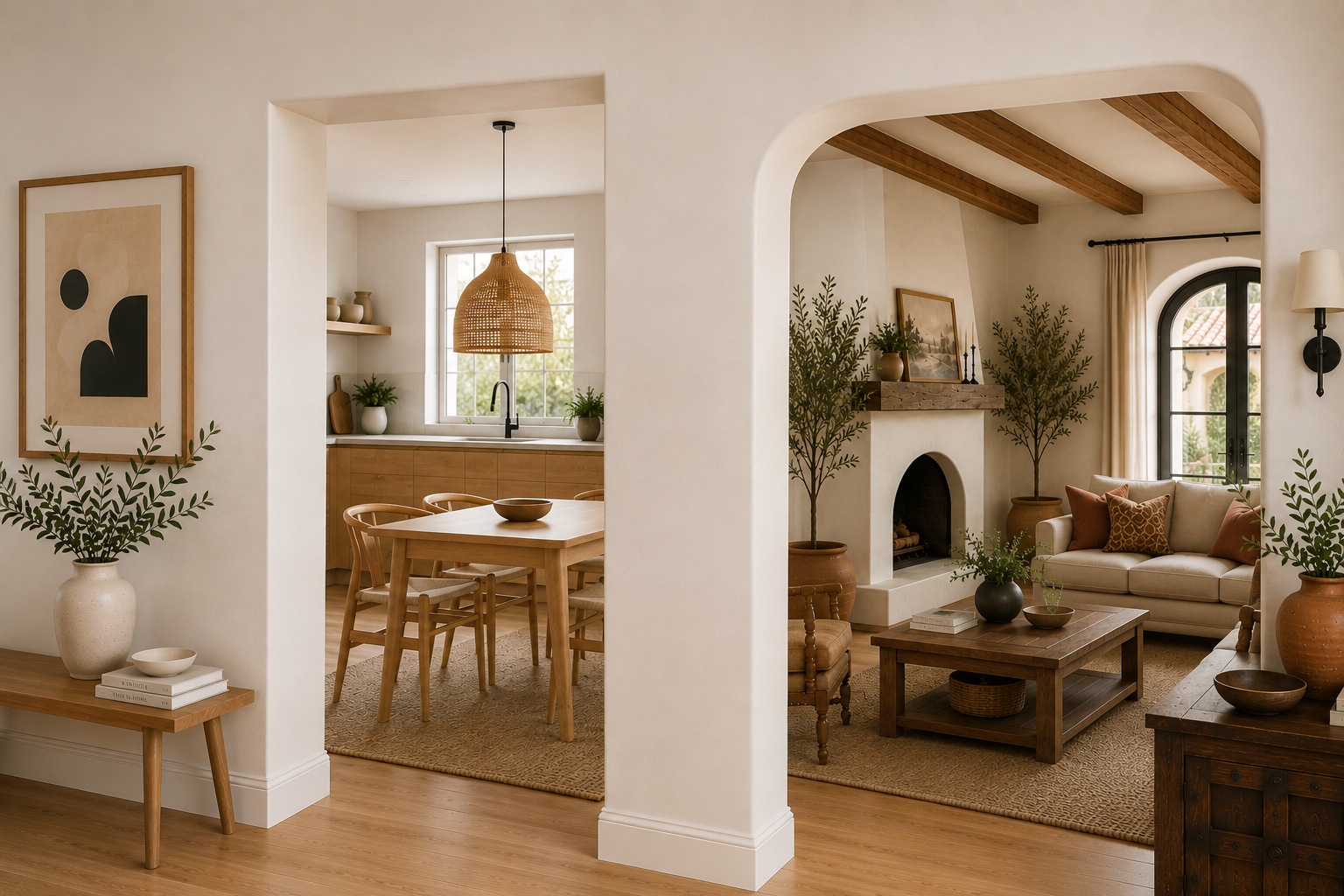
AI-generated interior comparison featuring square and rounded drywall corner styles within warm modern and Mediterranean-inspired spaces.
So, Which Drywall Corner Style Should You Choose?
If you prefer cleaner lines, modern finishes, sharper architectural details, and plan to incorporate features like wallpaper, accent walls, crown molding, or detailed trim work, square drywall corners will likely be the better fit for your home. They tend to work especially well in homes that lean more contemporary, structured, or architecturally minimal.
If you want your home to feel softer, warmer, more relaxed, or more organically shaped, rounded drywall corners may feel more natural within the space. They can help soften long hallways, large walls, and homes with curved architectural details while also creating a slightly more forgiving environment for everyday living.
At the end of the day, neither option is automatically right or wrong. The best choice usually comes down to how you want your home to feel, how the corners will interact with the rest of the architecture, and which details matter most to you long-term.
Personally, I think homeowners should avoid choosing drywall corners based purely on trends. This is one of those subtle architectural details that you will likely live with for many years, so it makes more sense to focus on what feels cohesive, functional, and visually right for your own home rather than simply following what happens to be popular at the moment.
No matter which option you choose, drywall corners are a reminder that even small architectural details can have a surprisingly large impact on the overall character and experience of a home.