How to Transition a Teen Bedroom Into a Young Adult Space (While Living at Home)
There’s a point where a bedroom stops working—not because anything is broken, but because it no longer reflects where you are in life.
This tends to happen gradually. You’re still living at home, but your routine has changed. You’re working, studying differently, or simply spending your time in a more intentional way. What used to feel comfortable can start to feel temporary or out of sync.
Transitioning a teen bedroom into a more grown-up space doesn’t require starting over. In many cases, the foundation is already there—it just needs to be refined.
If you’ve already gone through earlier stages of designing a bedroom, this step is really about evolution. gender-neutral nursery design and child bedroom design that grows with your child both focus on building a space that can adapt over time. This next phase builds on that idea in a more intentional way.
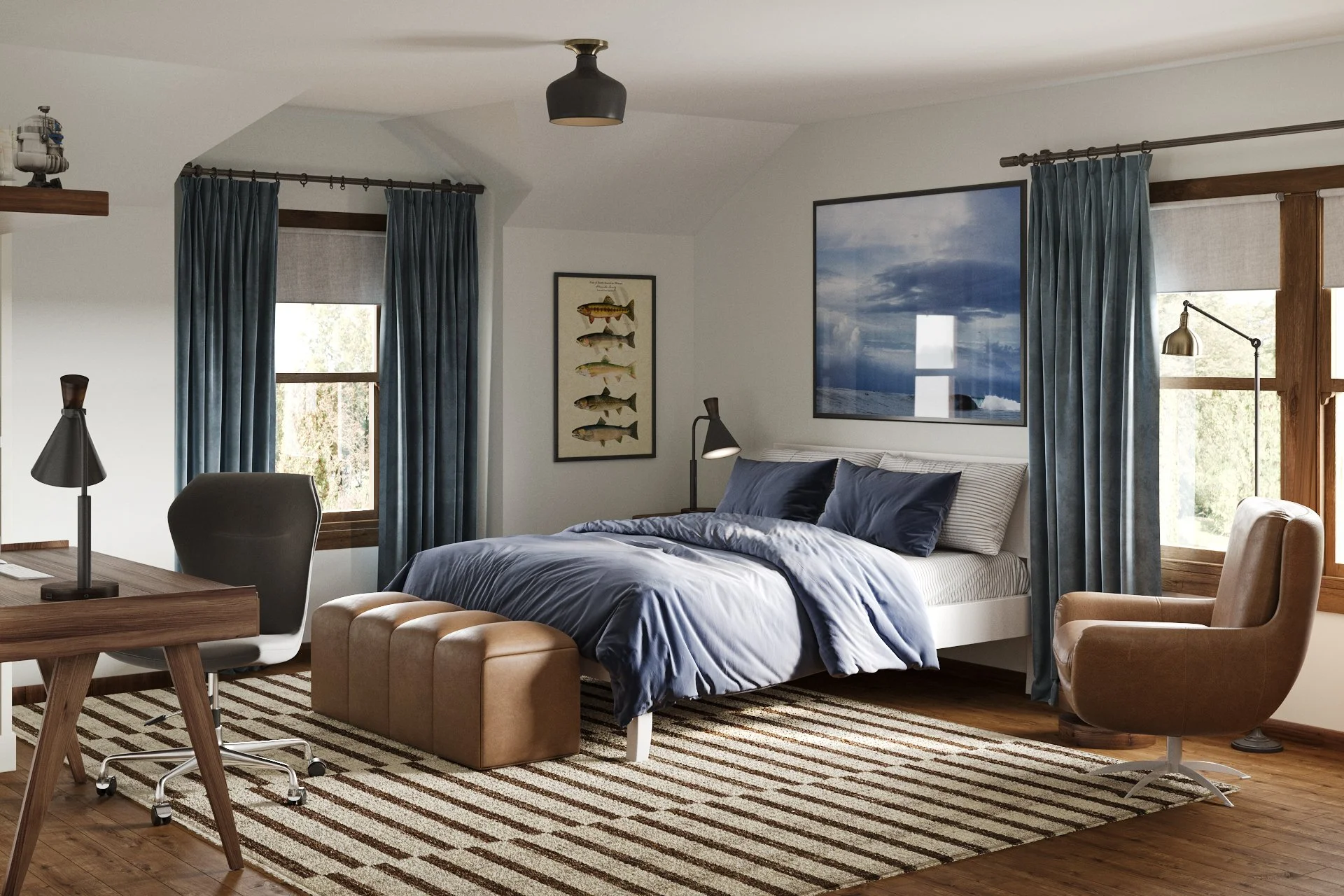
California Eclectic teen bedroom designed by virtual interior designer Joshua Jones of JJones Design Co., created with long-term flexibility in mind.
Start With a Room That Already Has Longevity in Mind
A lot of teen bedrooms are designed around a specific moment in time—trends, colors, or themes that feel right for a few years but don’t hold up much longer than that.
This space was approached differently from the beginning.
Instead of leaning into anything overly age-specific, the focus was on creating a room that could evolve naturally. The palette is grounded, the materials feel intentional, and the furniture choices aren’t something that needs to be replaced a few years later.
That’s what makes the transition easier.
When the foundation of a room is already flexible, you’re not starting over—you’re simply refining what’s there. The layout still works. The key pieces still make sense. It’s just a matter of adjusting how the space is styled and used.
This is the part most people overlook. They assume the room needs a full redesign, when in reality, it usually just needs better decisions layered on top of what already exists.
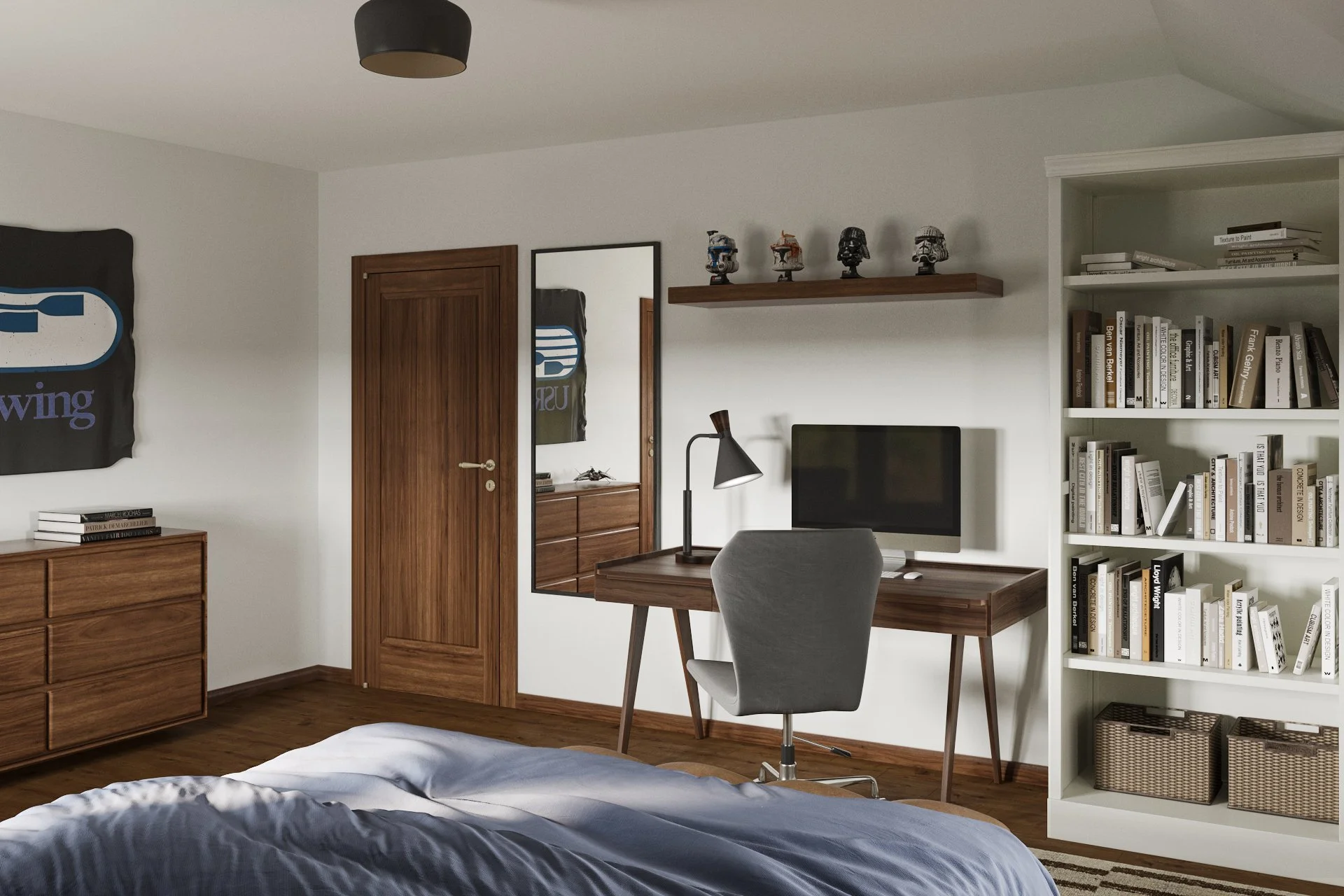
Desk and shelving area designed by virtual interior designer Joshua Jones of JJones Design Co., showing how function evolves from a teen bedroom into a more intentional young adult workspace.
Shift the Function, Not Just the Look
One of the biggest shifts between a teen bedroom and a young adult space isn’t how it looks—it’s how it functions.
At this stage, the room usually needs to do more. It becomes a place to focus, work, and spend time in a more intentional way, not just somewhere to sleep and unwind.
In this space, the desk isn’t treated like a temporary setup. It’s integrated into the overall design, with enough surface area and storage to actually support daily use. The shelving feels purposeful rather than decorative, and everything has a place.
That’s where the transition really starts to take shape.
If the room still functions like a teen space, it will continue to feel like one—even if you update the décor. Shifting the function is what changes how the room is experienced day to day.
A few small adjustments can make a noticeable difference:
Treat the desk area as a permanent feature, not an afterthought
Edit down what’s on display so it feels intentional
Use storage in a way that supports your routine instead of hiding clutter
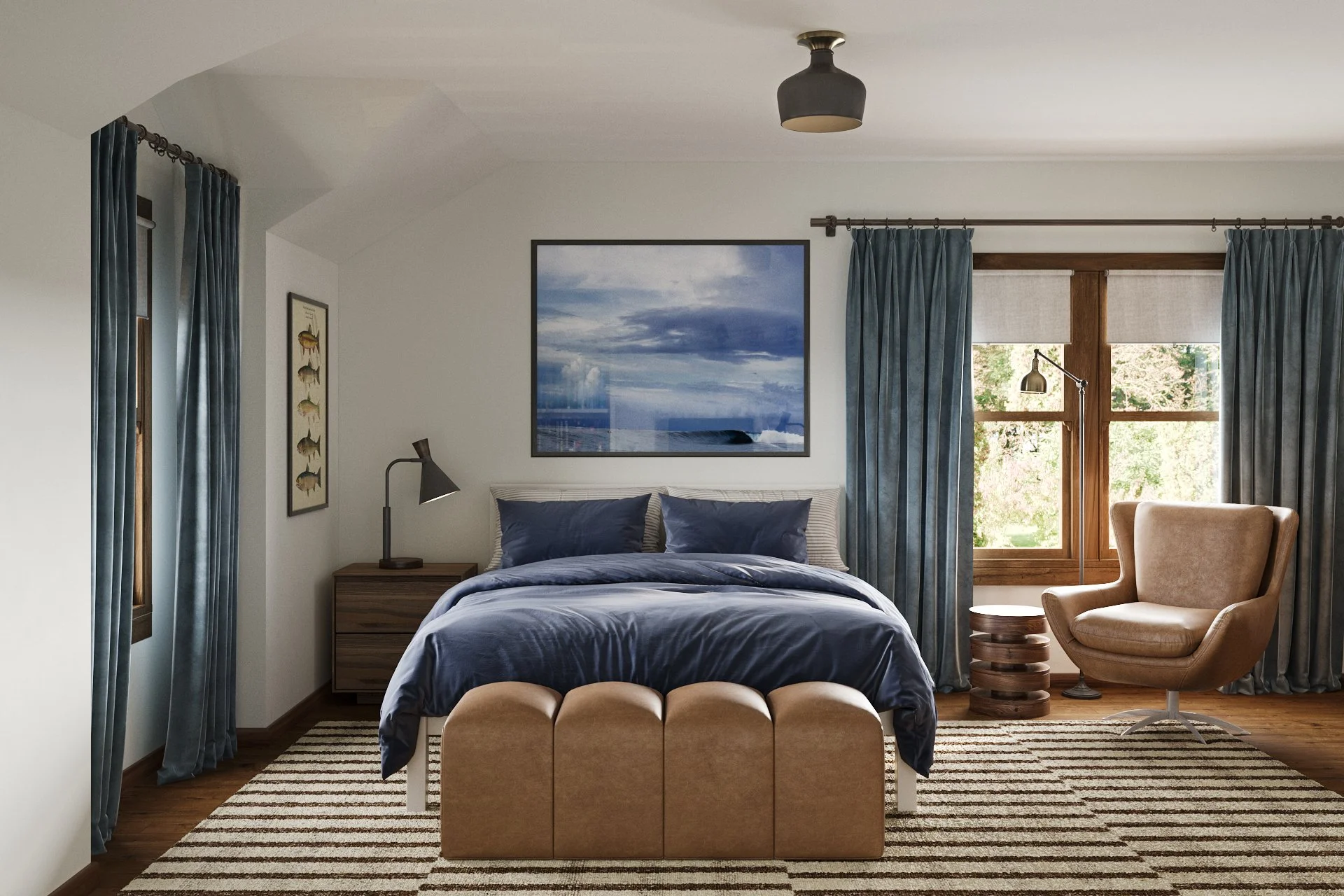
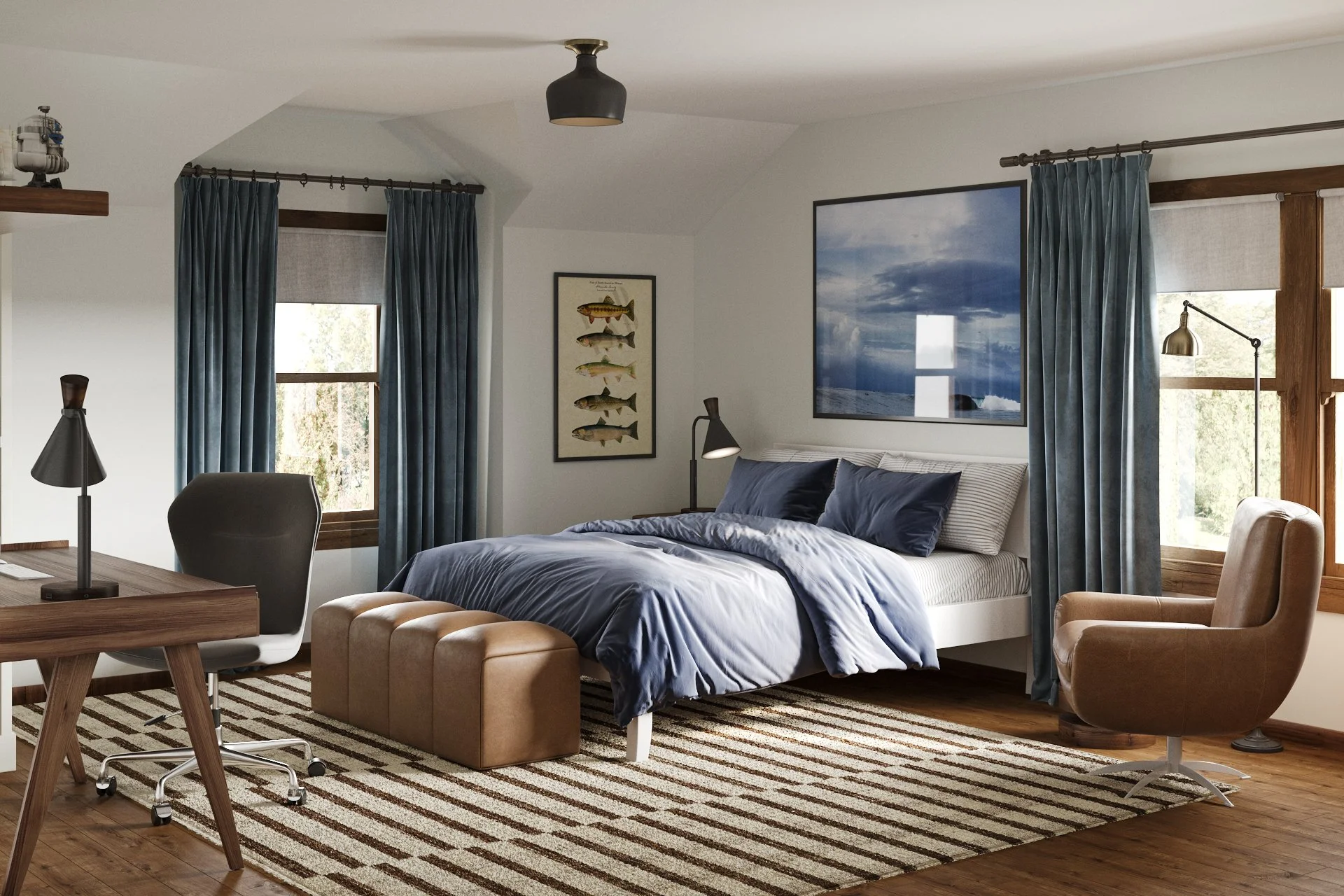
Bed area designed by virtual interior designer Joshua Jones of JJones Design Co., showing how simple refinements can elevate a teen bedroom into a more cohesive young adult space.
Refine What You Already Have
One of the biggest misconceptions about updating a bedroom is that everything needs to be replaced.
In most cases, it doesn’t.
A room can shift into something more mature just by refining what’s already there. The layout stays. The main furniture pieces stay. What changes is how those elements are styled and pulled together.
In this space, the bed becomes more of a focal point through better layering and balance. The bedding feels more considered, the artwork is properly scaled, and the room as a whole feels more cohesive without adding anything unnecessary.
That’s where the difference shows.
Instead of looking pieced together, the room starts to feel intentional.
If you’re working with an existing bedroom, this is where you’ll get the most impact:
Upgrade bedding to something more structured and layered
Reevaluate artwork so it feels properly sized and placed
Create balance around the bed so it anchors the room
None of these changes require a full redesign, but together they shift how the entire space feels.
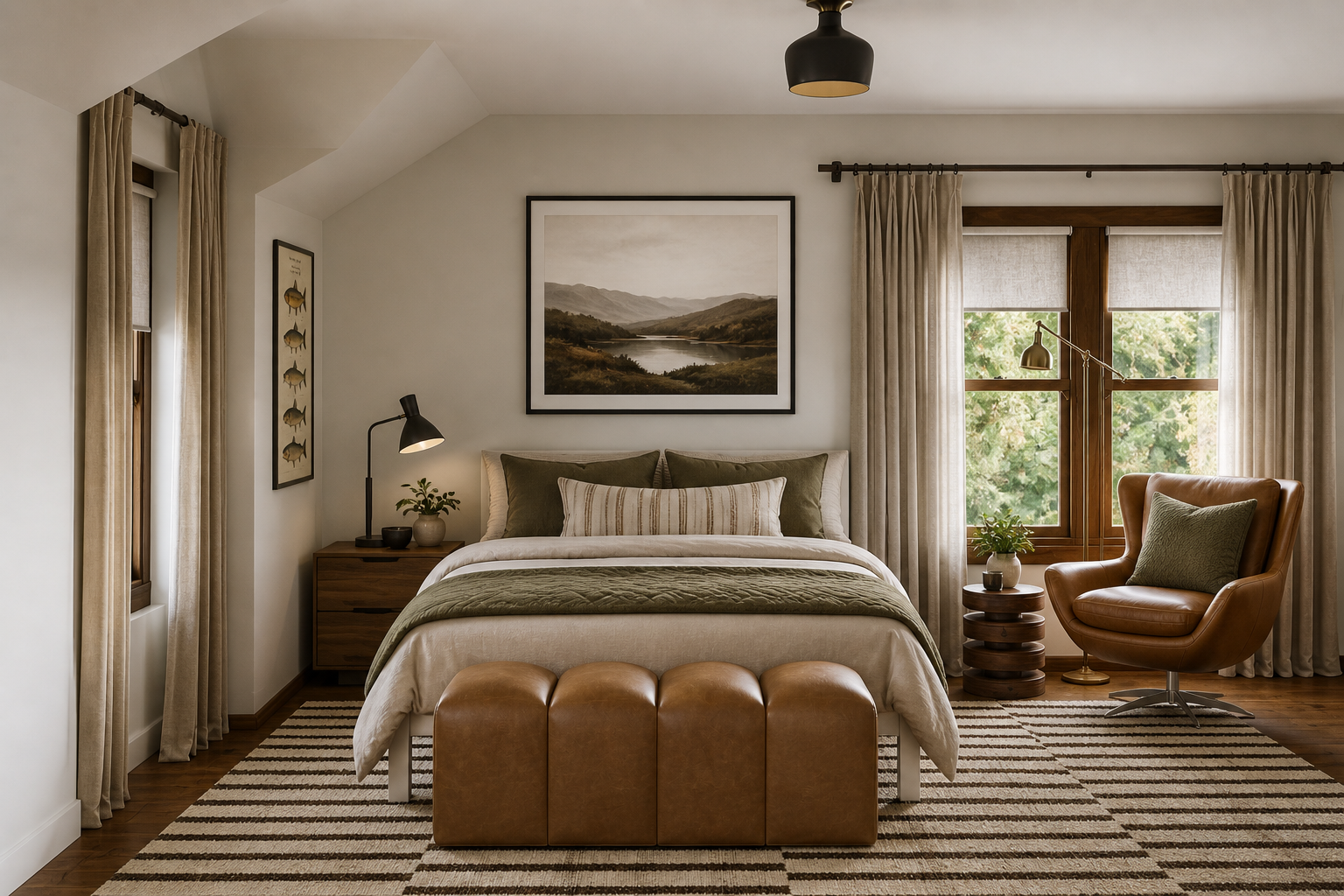
Young adult bedroom concept based on an original design by virtual interior designer Joshua Jones of JJones Design Co., recreated with AI for this blog to illustrate how the space can evolve over time.
Adjust the Style to Reflect Who You Are Now
At a certain point, the shift isn’t about function or layout anymore—it’s about identity.
A teen bedroom often reflects trends, phases, or interests that change quickly. A young adult space starts to feel more personal and consistent. The choices are less about what’s popular and more about what actually fits your lifestyle.
That doesn’t mean the room has to feel serious or minimal. It just means the design decisions feel more intentional.
For some, that might mean simplifying the space—fewer items, cleaner lines, and a more neutral palette. For others, it might mean layering in texture, warmer tones, or softer materials to create a more relaxed feel.
The approach stays the same. What changes is how it’s expressed.
This is where you can step back and ask a simple question:
Does this space reflect how I live now, or how I used to live?
That answer usually makes the next steps clear.
You Don’t Need to Start Over
A lot of people assume that outgrowing a space means replacing everything.
In reality, the most successful transitions happen when the original design allows for change. When the foundation is strong, the room can evolve naturally without needing a full reset.
That’s what makes this kind of update feel manageable.
Instead of approaching it as a complete redesign, it becomes a series of small, intentional decisions—refining what’s already there, adjusting how the space functions, and aligning it with where you are now.
If you’re not sure how to make those changes or want a clear plan for your space, this is exactly where virtual interior design services can help bring clarity and direction.
That’s ultimately what turns a teen bedroom into a space that continues to work over time.