What Thread Count Really Means—and How to Choose Better Bed Sheets
Walk into almost any store that sells bed sheets, and you’ll see the same thing front and center: thread count. Bigger numbers, bolder labels, and the promise that higher automatically means better. It sounds straightforward—but it’s also where a lot of people get misled.
The truth is, thread count on its own doesn’t tell you much about how sheets will actually feel, breathe, or hold up over time. Two sets with the same number can perform very differently, depending on the fiber, weave, and how the fabric is made.
As a designer, I look at bed sheets the same way I look at any material in a home: how they feel in daily use, how they age, and whether they make the space more comfortable—not just more marketable. Comfort, durability, and breathability matter far more than a single number on a package.
In this guide, I’ll break down what thread count really means, what actually affects sheet quality, and how to choose bed sheets that suit your sleep style and budget. I’ll also share a small, curated shopping list of sheet sets I’d realistically recommend, across different materials and price points—so you can make an informed decision without wading through endless options.
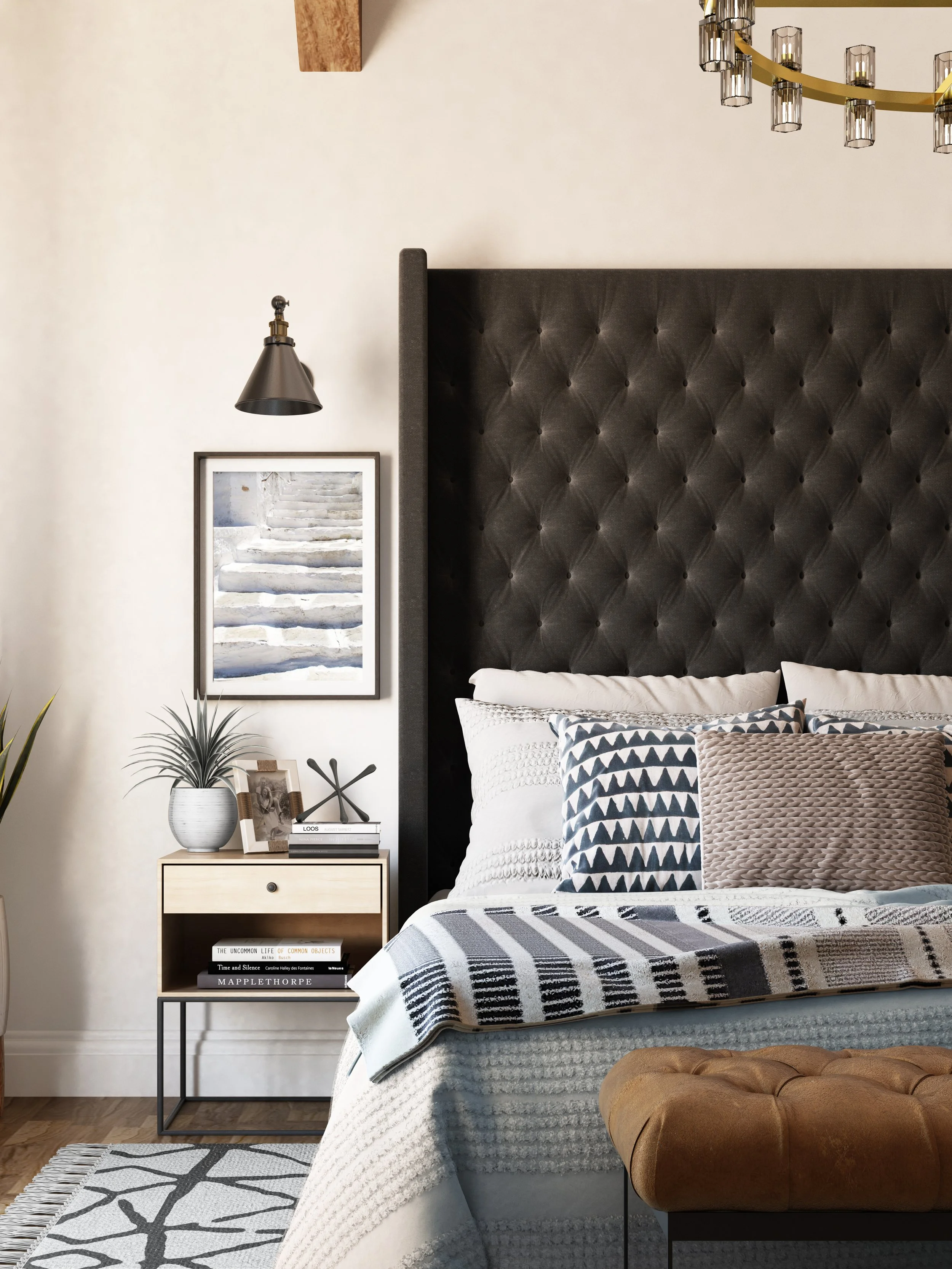
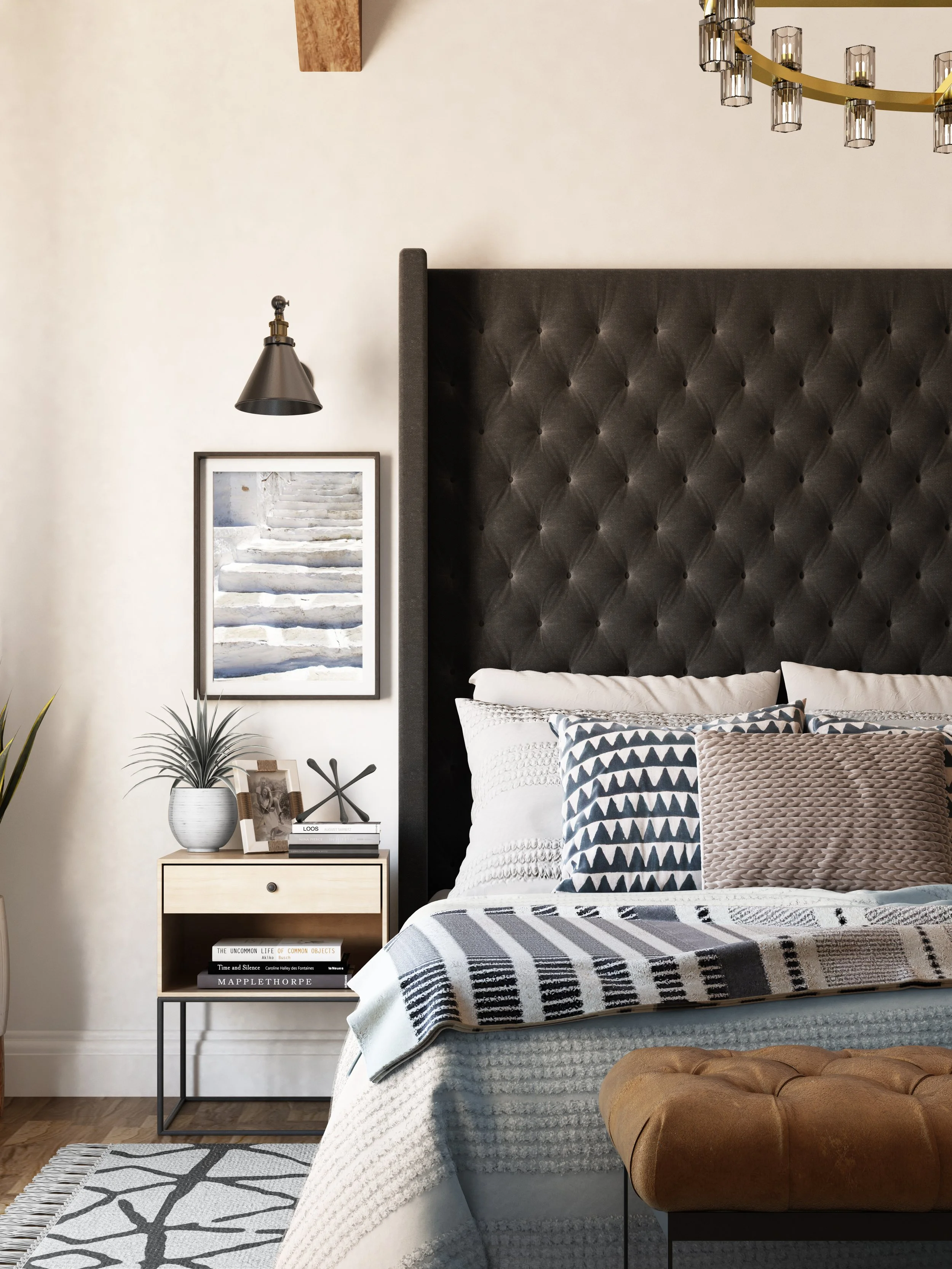
Desert Rustic primary bedroom designed by virtual interior designer Joshua Jones of JJones Design Co., featuring layered neutral bedding, a tufted upholstered headboard, and warm modern accents.
What Thread Count Really Means
Thread count refers to the number of horizontal and vertical threads woven into one square inch of fabric. In simple terms, it’s a measurement of density—not quality.
In theory, a higher thread count can mean a smoother, more tightly woven sheet. In practice, it’s far more complicated. Once you get beyond a certain point, increasing the thread count does not automatically make sheets softer, stronger, or more breathable.
Most high-quality cotton sheets fall somewhere between 200 and 400 thread count. Within this range, the fabric tends to feel balanced—soft without being heavy, structured without feeling stiff. Numbers far above that often rely on marketing tricks, like using multiple-ply threads to inflate the count without improving performance.
This is why you’ll sometimes find sheets labeled 800 or 1,000 thread count that feel thick, hot, or even rough. They may look impressive on the package, but they don’t always translate to better sleep.
What matters just as much—if not more—than the number itself is what the threads are made of and how they’re woven. Fiber quality, weave type, and finishing methods all play a major role in how sheets feel and how long they last.
In the next sections, I’ll break down the materials and weaves that actually affect comfort, so you can move past the numbers and focus on what makes a real difference.
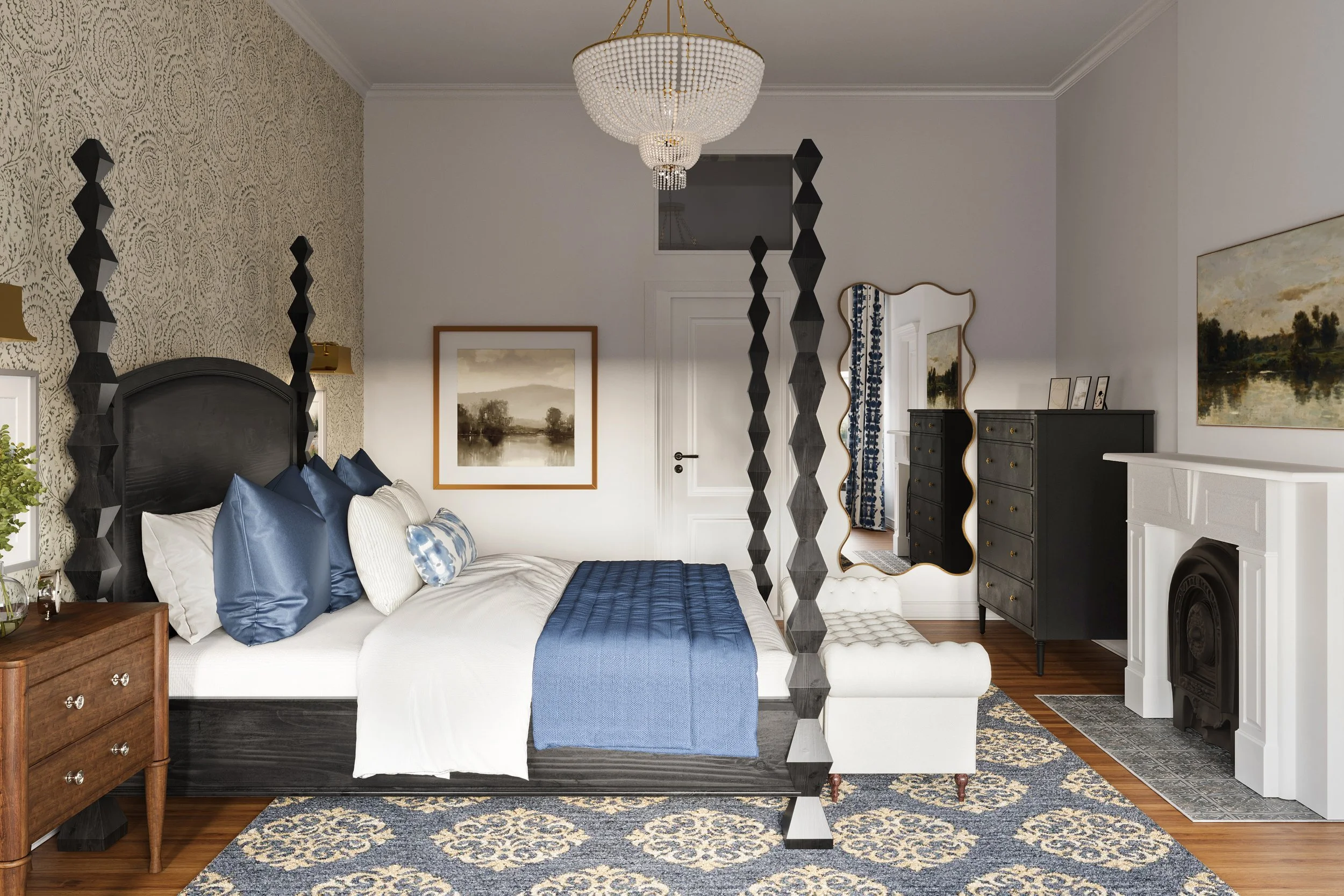
Modern Victorian primary bedroom designed by virtual interior designer Joshua Jones of JJones Design Co., blending classic architectural details with layered bedding, rich textures, and contemporary accents.
Why Fabric Matters More Than Thread Count
Once you understand that thread count is only part of the story, the next thing to look at is what the sheets are actually made of. Fabric choice has a far greater impact on how sheets feel, breathe, and age than the number on the label.
Cotton: Not All Cotton Is the Same
Cotton is the most common bedding material, but quality varies widely.
Long-staple cotton (often used in higher-quality sheets) produces smoother, stronger fabric that pills less over time.
Short-staple cotton is more affordable but tends to feel rougher and wear out faster.
You’ll often see terms like “Egyptian cotton” or “Pima cotton.” While these can indicate quality, they’re also frequently used as marketing language. What matters more than the name is whether the cotton fibers are long, tightly spun, and well-finished.
Linen: Relaxed, Breathable, and Temperature-Regulating
Linen sheets are made from flax fibers and have a completely different feel than cotton. They’re:
more textured,
highly breathable,
and excellent for hot sleepers.
Linen softens significantly with washing, but it will always feel more casual and lived-in. If you like a crisp, hotel-style bed, linen may feel too relaxed—but if comfort and airflow are your priority, it’s hard to beat.
Bamboo and Other Alternatives
Bamboo-derived fabrics are often marketed as ultra-soft and cooling. While they can feel smooth out of the package, quality varies, and durability isn’t always consistent across brands.
For this reason, I tend to view bamboo as a comfort-first option rather than a long-term investment, especially compared to well-made cotton or linen sheets.
The Takeaway
Fabric choice determines:
how sheets feel against your skin,
how well they regulate temperature,
and how they hold up after years of washing.
Thread count can refine that experience—but it can’t fix poor materials.
In the next section, I’ll break down weave types and how they affect feel and performance, so you can start matching sheets to how you actually sleep.
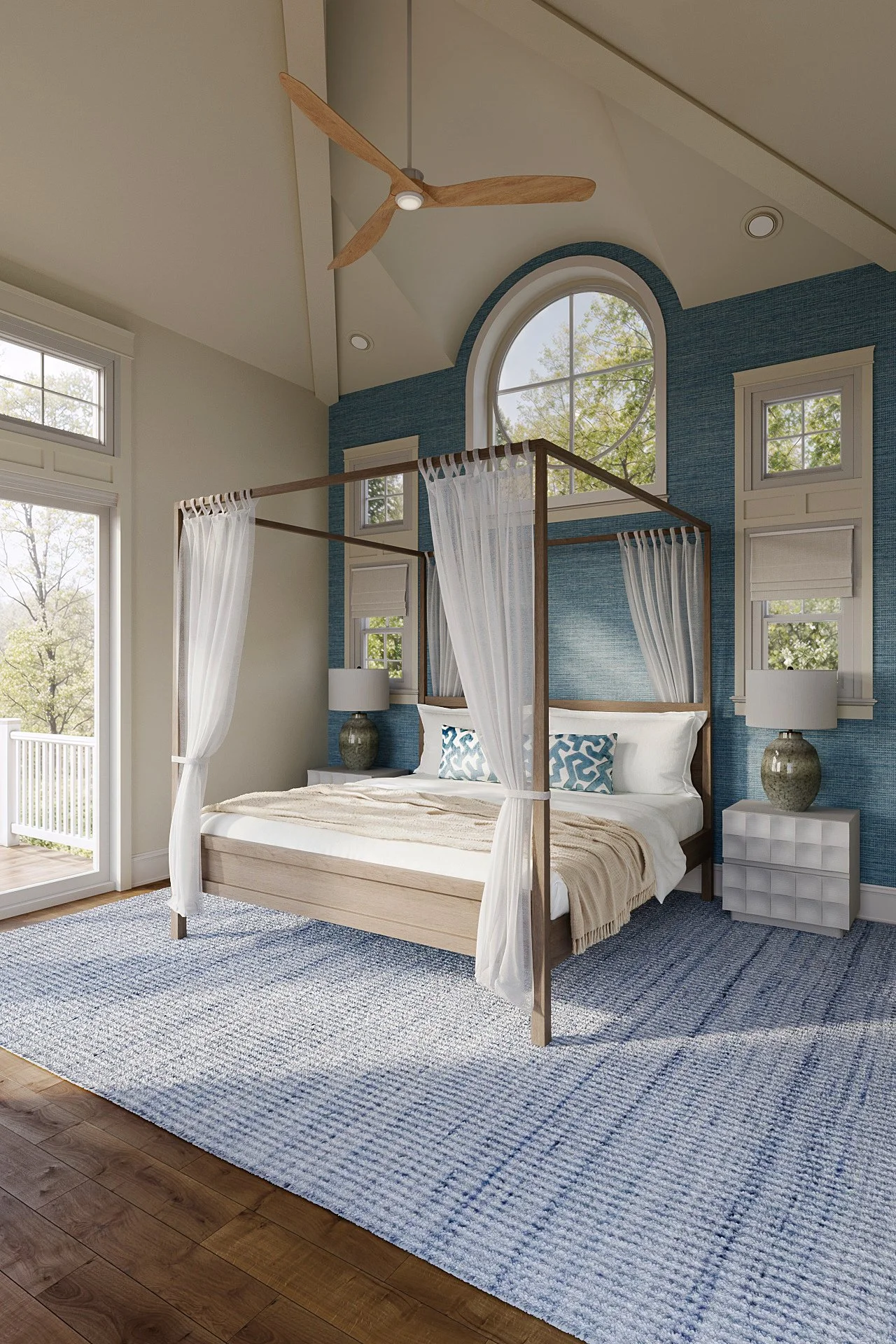
Modern coastal bedroom designed by virtual interior designer Joshua Jones of JJones Design Co., featuring a light wood canopy bed, layered white bedding, soft blue accents, and an airy, relaxed atmosphere.
Percale vs. Sateen: How Weave Affects Feel and Comfort
Even when sheets are made from the same material, they can feel completely different depending on how the fabric is woven. This is where many people get confused—and where personal preference matters more than price.
Percale: Crisp, Cool, and Lightweight
Percale uses a simple, one-over-one-under weave that creates a matte finish and a breathable structure.
Percale sheets tend to:
feel crisp rather than silky,
stay cooler throughout the night,
and soften gradually with washing.
If you like a fresh, hotel-style bed or tend to sleep warm, percale is often the best choice. It won’t feel plush right out of the package, but it wears beautifully over time.
Sateen: Smooth, Soft, and Slightly Heavier
Sateen uses a weave that places more threads on the surface of the fabric, giving it a subtle sheen and a softer hand feel.
Sateen sheets tend to:
feel smooth and drapey,
trap a bit more warmth,
and feel luxurious immediately.
This weave is ideal if you prefer a cozy, enveloping bed or want sheets that feel soft from day one. The tradeoff is that sateen can show wear slightly faster than percale, especially at lower quality levels.
Linen Weaves: Airy and Relaxed
Linen doesn’t fit neatly into the percale-versus-sateen comparison, but it’s worth mentioning here. Linen weaves are looser and more textured, prioritizing airflow over polish.
Linen is best for:
hot sleepers,
warm climates,
and people who like a relaxed, lived-in look.
Choosing the Right Weave for You
There’s no universal “best” weave—only what works for how you sleep.
If you want:
crisp and cool → percale
soft and cozy → sateen
breathable and relaxed → linen
In the next section, I’ll cover common bedding marketing claims and how to spot quality without relying on buzzwords—before sharing a curated list of sheet sets I’d realistically recommend.
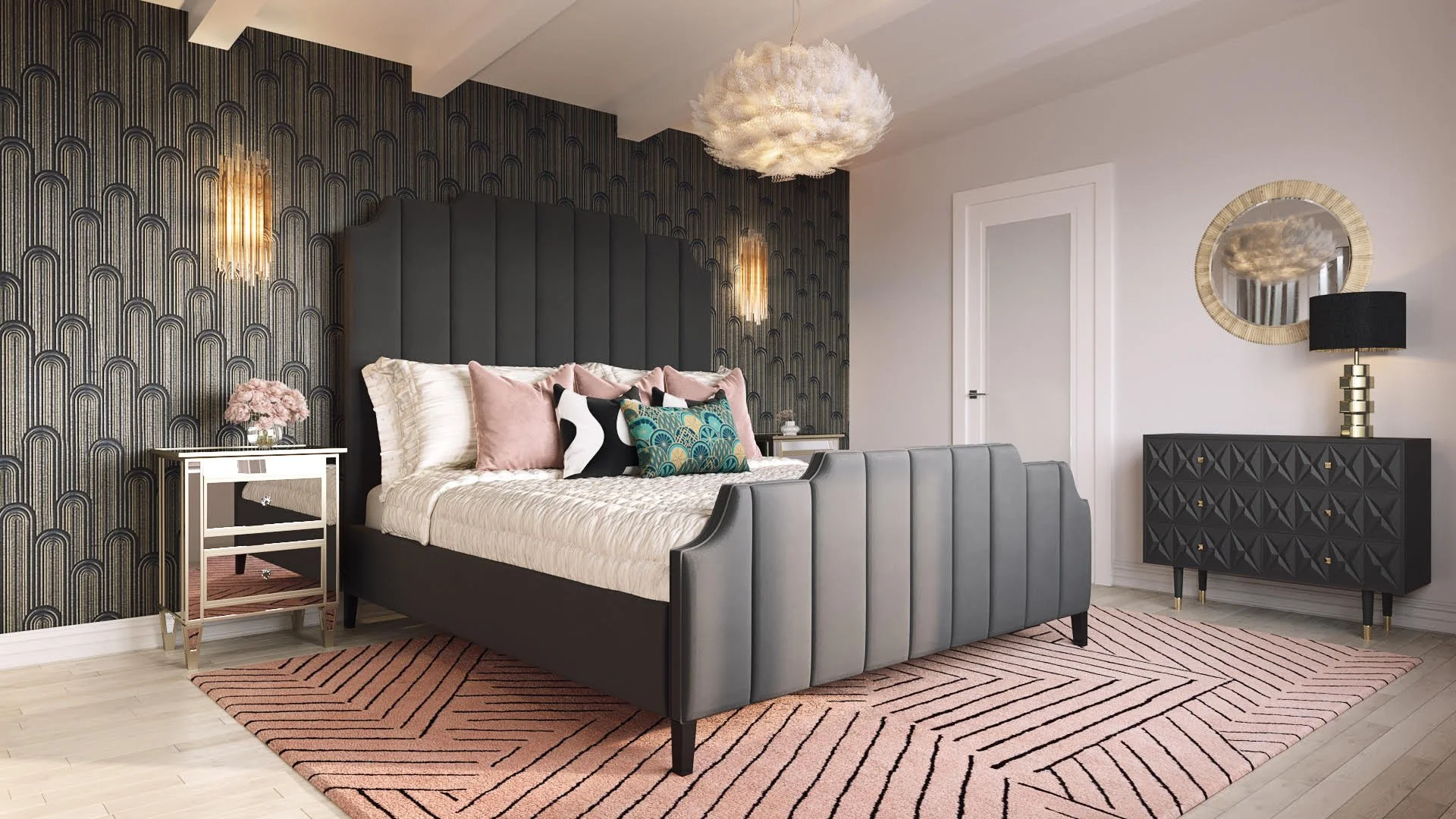
Hollywood Glam / Art Deco primary bedroom designed by virtual interior designer Joshua Jones of JJones Design Co., featuring a sculptural upholstered bed, layered neutral bedding, Art Deco wallpaper, and elegant metallic accents.
Common Bedding Claims That Matter Less Than You Think
Once you start paying attention to bedding labels, you’ll notice a lot of confident language—much of it designed to sound impressive without actually telling you much about quality. Knowing what to take with a grain of salt makes choosing sheets far less overwhelming.
“Ultra-High Thread Count”
As covered earlier, extremely high thread counts often rely on multi-ply threads to inflate numbers. This doesn’t automatically improve softness or durability and can actually result in heavier, less breathable sheets.
A well-made 300–400 thread count sheet using quality fibers will almost always outperform an inflated 800+ count option.
“Hotel Collection” or “Luxury Feel”
These terms are not regulated. They don’t describe fiber quality, weave, or construction—only a mood the brand wants to suggest.
Actual hotel-quality sheets tend to be:
breathable,
durable,
and easy to launder repeatedly.
Those qualities come from material and weave choices, not from the label itself.
“Wrinkle-Free” or “No-Iron”
Wrinkle resistance usually means the fabric has been chemically treated. While this can make sheets look smoother out of the dryer, it often comes at the expense of breathability and long-term softness.
Natural fibers like cotton and linen will wrinkle—that’s not a flaw, it’s a characteristic. The comfort tradeoff is usually worth it.
“Cooling Technology”
Some sheets genuinely breathe better than others, but vague “cooling” claims should be backed up by material choices like:
percale weave,
linen fibers,
or lighter fabric weight.
If a sheet feels thick and heavy, no amount of marketing language will make it sleep cool.
The Real Quality Signals to Look For
Instead of focusing on buzzwords, pay attention to:
fiber type and staple length,
weave (percale, sateen, linen),
clear material descriptions,
and honest care instructions.
These details tell you far more about how sheets will perform than any oversized number or luxury-sounding phrase.
In the next section, I’ll share a small, curated list of bed sheet sets that meet these criteria—across different materials and price points—so you can shop with confidence instead of guesswork.

California Casual primary bedroom designed by virtual interior designer Joshua Jones of JJones Design Co., featuring a warm wood canopy bed, layered neutral bedding, natural textures, and a relaxed, airy feel.
A Curated Shopping List: Bed Sheet Sets Worth Considering
Rather than overwhelming you with endless options, I’ve narrowed this list down to a small selection of bed sheet sets that meet the criteria discussed above: thoughtful materials, appropriate thread counts, and reliable construction. Each option serves a different sleep style and budget, because there’s no single “best” sheet for everyone.
I’ve intentionally kept this list short and brand-diverse, so you can focus on what actually suits your needs instead of comparing dozens of similar products.
Best Crisp Percale Option
If you like a cool, breathable, hotel-style bed, percale is hard to beat. This type of sheet feels structured and fresh, especially if you tend to sleep warm. Look for long-staple cotton and a thread count in the low-to-mid hundreds for the best balance of durability and airflow.
This is the option I typically lean toward for clients who want sheets that feel light, clean, and comfortable year-round.
Best Everyday Sateen Option
For those who prefer a softer, slightly cozier feel, sateen offers smoothness and drape without going overly heavy. A well-made sateen sheet should feel luxurious without trapping too much heat.
This is a good middle-ground choice if you want immediate softness and a more relaxed feel straight out of the package.
Best Linen Sheet Set
Linen isn’t for everyone, but for hot sleepers or warmer climates, it can be a game-changer. Linen sheets prioritize breathability and temperature regulation over polish, and they soften beautifully over time.
If you appreciate a casual, lived-in look and don’t mind some natural texture and wrinkles, linen is worth considering.
Best “Hotel Feel” Upgrade
Some sheet sets are designed to mimic the experience of a well-made hotel bed: crisp, smooth, and durable enough to withstand frequent washing. These typically balance quality cotton, a breathable weave, and thoughtful finishing.
This is a good option if you want to elevate your bedroom without going overly indulgent or trend-driven.
Best Budget-Conscious Option That Still Holds Up
Affordable sheets don’t have to feel disposable. The key is prioritizing honest materials and reasonable thread counts over flashy claims. A straightforward cotton percale or sateen set can perform surprisingly well if it’s made with care.
This option is ideal for guest rooms, rentals, or anyone upgrading their bedding without stretching the budget.

Modern eclectic primary bedroom designed by virtual interior designer Joshua Jones of JJones Design Co., featuring layered neutral bedding, warm wood furniture, mixed textures, and a curated blend of modern and vintage elements.
How to Choose the Right Bed Sheets for You
Choosing bed sheets doesn’t have to be complicated—and it doesn’t require chasing the highest thread count on the shelf. Once you understand how fabric, weave, and construction work together, the decision becomes much clearer.
The most important takeaway is this:
comfort is personal, and quality is contextual.
A crisp percale sheet that feels perfect to one person may feel too structured to another. A silky sateen that feels luxurious to some may sleep too warm for others. The goal isn’t to find the “best” sheet overall, but the one that fits how you sleep, live, and care for your home.
When evaluating bed sheets, focus on:
fiber quality over inflated numbers,
weave type that matches your sleep habits,
and honest construction over marketing language.
If you start there, you’ll end up with sheets that not only feel better on night one, but continue to perform well over time.
The curated list above is meant to simplify the process—not replace personal preference. Use it as a starting point, not a rulebook. Good bedding should support rest, comfort, and everyday living—not add another layer of decision fatigue.

Bold modern eclectic primary bedroom designed by virtual interior designer Joshua Jones of JJones Design Co., featuring a graphic patterned wallpaper, a tall upholstered headboard, layered neutral bedding, and expressive color accents.
Frequently Asked Questions About Bed Sheets
What is a good thread count for bed sheets?
For most high-quality cotton sheets, a thread count between 200 and 400 is more than sufficient. Within this range, sheets tend to balance softness, durability, and breathability. Higher numbers don’t automatically mean better performance and can sometimes indicate heavier or less breathable fabric.
Are higher thread count sheets always softer?
No. Softness is influenced more by fiber quality, weave type, and finishing than by thread count alone. A well-made 300 thread count percale sheet can feel significantly better than an inflated 800 thread count sheet made with lower-quality fibers.
Which sheets are best for hot sleepers?
Hot sleepers generally do best with:
Percale cotton (crisp and breathable)
Linen (excellent airflow and temperature regulation)
Sheets that feel thick or overly smooth often trap more heat, regardless of how they’re marketed.
Is sateen or percale better?
Neither is objectively better—it depends on preference.
Percale feels crisp, cool, and lightweight.
Sateen feels smooth, soft, and slightly warmer.
Choosing between them comes down to how you want your bed to feel and how warm you tend to sleep.
Are “wrinkle-free” sheets a good option?
Wrinkle-resistant sheets are often treated with chemicals to reduce creasing. While they may look smoother out of the dryer, they can sacrifice breathability and natural softness. Many people find that untreated cotton or linen feels more comfortable over time, even if it wrinkles more easily.
How long should good-quality sheets last?
With proper care, well-made sheets can last several years. Long-staple cotton and linen tend to hold up best, especially when washed gently and rotated regularly. If sheets pill quickly, lose softness, or feel thin after a short time, it’s often a sign of lower-quality materials.
If you’re designing a bedroom from scratch or refining an existing space, thoughtful material choices—especially bedding—play a bigger role in comfort than most people expect. The way fabrics, textures, and layers work together can quietly shape how a room feels night after night.
A Quick Note on Affiliate Links
Some of the links in this section may be affiliate links, which means I may earn a small commission if you choose to purchase—at no additional cost to you. I only include products that align with the standards I’d use when selecting bedding for a real home, not just what looks good on paper.